
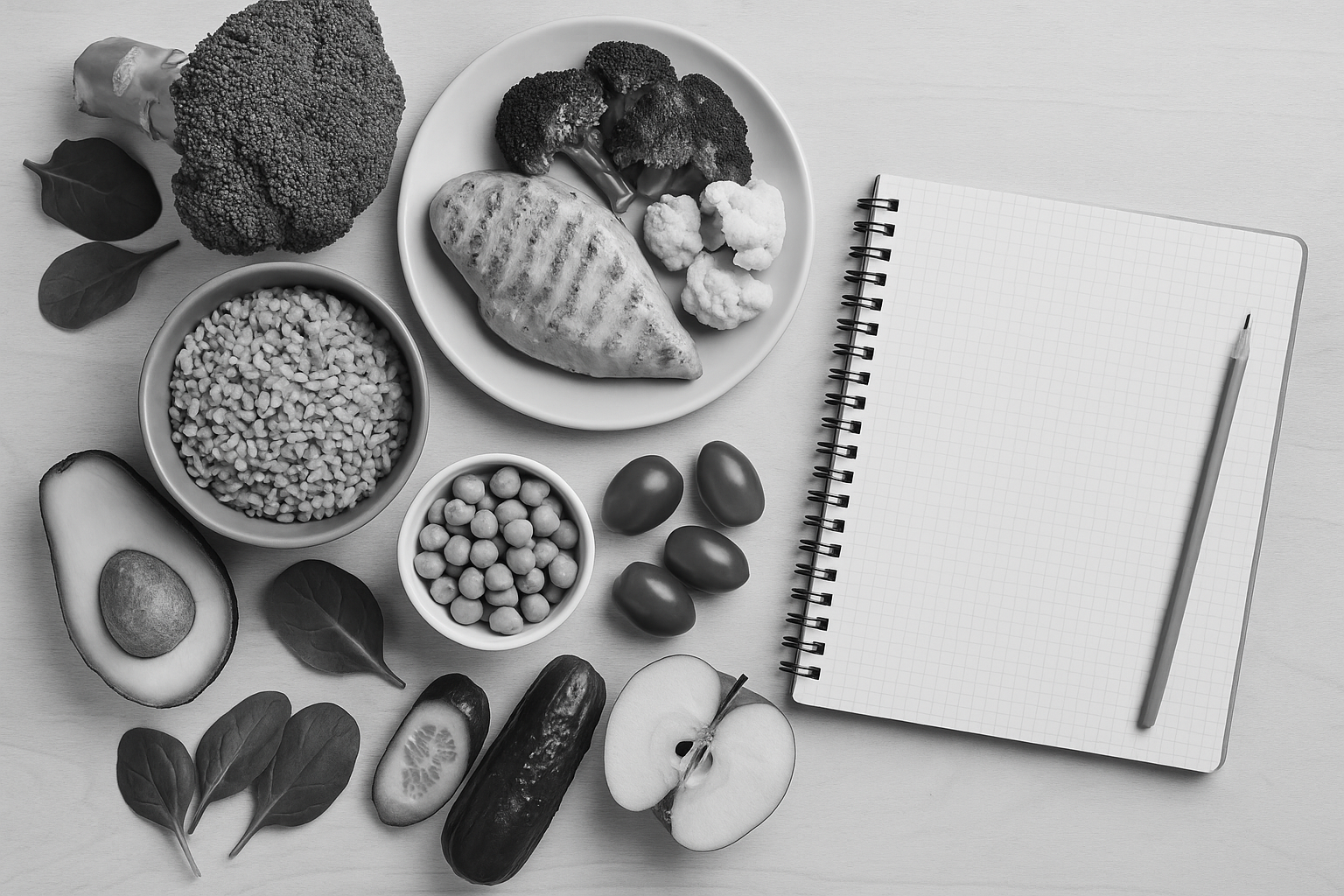
What Is a Healthy Eating Plan?
A healthy eating plan is a flexible way of eating that helps you get the nutrients your body needs while supporting your goals—whether that’s more energy, better digestion, weight management, or improved overall health. It isn’t a strict “diet” with rigid rules. Instead, it’s a simple framework built around balanced meals, smart portions, and habits you can maintain long-term.
The best plan is one you can follow consistently. That means it should fit your lifestyle, cultural preferences, schedule, cooking skills, and budget. When those pieces align, healthy eating stops feeling like a chore and starts feeling like your normal routine.
The Building Blocks of a Balanced Plate
To keep meals both satisfying and nutritious, aim to include a mix of the following components most of the time:
Protein
Protein supports muscle repair, immune function, and steady energy. It also helps you feel full after meals. Choose options such as:
- Lean meats (chicken, turkey)
- Fish and seafood (salmon, tuna, shrimp)
- Eggs
- Greek yogurt, cottage cheese
- Beans, lentils, chickpeas
- Tofu, tempeh, edamame
Fiber-Rich Carbohydrates
Carbohydrates aren’t the enemy—especially when they come with fiber, vitamins, and minerals. Fiber supports gut health and helps regulate blood sugar. Prioritize:
- Whole grains (oats, brown rice, quinoa, whole-wheat bread)
- Starchy vegetables (potatoes, sweet potatoes, corn)
- Fruit (berries, apples, oranges, bananas)
- Legumes (beans and lentils also count as protein)
Healthy Fats
Healthy fats help absorb fat-soluble vitamins (A, D, E, K) and support hormones and brain health. Add them in reasonable portions:
- Olive oil, avocado oil
- Avocados
- Nuts and nut butters
- Seeds (chia, flax, pumpkin)
- Fatty fish (salmon, sardines)
Colorful Vegetables
Vegetables provide fiber, antioxidants, and micronutrients with relatively few calories. For a simple rule: aim for at least half your plate from non-starchy vegetables at lunch and dinner when possible. Mix it up with:
- Leafy greens (spinach, kale, arugula)
- Cruciferous vegetables (broccoli, cauliflower, cabbage)
- Colorful options (peppers, carrots, tomatoes, zucchini)
How to Create Your Healthy Eating Plan
Building a plan doesn’t require perfection—just a clear starting point and a few repeatable habits.
Step 1: Set a Simple Goal
Choose one primary goal that’s measurable and realistic. Examples:
- Eat vegetables with two meals per day
- Cook dinner at home four nights per week
- Include a protein source at breakfast
Smaller goals are easier to stick with, and small wins build momentum.
Step 2: Plan Your Meals (Without Overcomplicating It)
Meal planning can be as basic as picking a few go-to breakfasts, lunches, and dinners you enjoy. Try a “mix and match” approach:
- Pick 2 breakfasts you can repeat (e.g., yogurt bowl, eggs and toast)
- Pick 2–3 lunches that work for leftovers (e.g., grain bowl, salad with protein)
- Pick 3–4 dinners that share ingredients (e.g., chicken + veggies, chili, stir-fry)
This approach reduces decision fatigue and makes grocery shopping easier.
Step 3: Build a Smart Grocery List
A healthy eating plan succeeds or fails at the grocery store. Start with a simple template:
- Proteins: chicken, eggs, Greek yogurt, tofu, canned tuna, beans
- Vegetables: leafy greens, broccoli, carrots, onions, frozen mixed veg
- Carbs: oats, brown rice, whole-grain pasta, potatoes, fruit
- Fats & flavor: olive oil, nuts, salsa, spices, garlic, lemon
Tip: keep a few frozen and canned staples on hand. They’re budget-friendly, reduce waste, and make healthy meals faster.
Step 4: Prep for the Week
You don’t need an all-day meal prep session. Even 30–60 minutes can make weekdays smoother. Consider:
- Wash and chop vegetables for quick salads or stir-fries
- Cook a batch of grains (rice or quinoa) for bowls and sides
- Prepare one protein (chicken, lentils, tofu) for mix-and-match meals
- Stock easy snacks (fruit, yogurt, nuts, hummus)
Sample 1-Day Healthy Eating Plan
Use this as inspiration and adjust portions to your hunger, activity level, and goals.
Breakfast
- Greek yogurt with berries, chia seeds, and a handful of granola
- Optional: coffee or tea and a glass of water
Lunch
- Big salad with mixed greens, cherry tomatoes, cucumber, chickpeas, grilled chicken (or tofu), and olive oil + lemon dressing
- Whole-grain pita or a side of fruit
Snack
- Apple with peanut butter or carrots with hummus
Dinner
- Baked salmon (or beans/lentils) with roasted broccoli and sweet potato
- Optional: simple side salad
Dessert (If You Want It)
- A few squares of dark chocolate or a bowl of fruit
Tips to Make Healthy Eating Stick
Consistency matters more than intensity. These strategies help you stay on track without feeling restricted.
Focus on Addition, Not Just Restriction
Instead of only cutting foods out, add nourishing options in: more vegetables, more protein at breakfast, more water, more fiber. Often, healthier choices naturally crowd out less supportive ones.
Use the 80/20 Approach
Aim for nutrient-dense foods most of the time, and leave room for meals you love. This balance helps prevent the “all-or-nothing” mindset that can derail progress.
Choose Convenient Healthy Options
Healthy eating doesn’t have to be gourmet. Keep quick staples available:
- Frozen vegetables, pre-washed greens
- Rotisserie chicken, canned beans, microwaveable grains
- Eggs, yogurt, fruit
Hydration and Sleep Matter, Too
Sometimes cravings and low energy come from dehydration or poor sleep rather than true hunger. Aim for regular water intake and a consistent sleep schedule to support appetite regulation and better food choices.
Common Mistakes to Avoid
- Skipping meals: often backfires and leads to overeating later.
- Not eating enough protein or fiber: can leave you hungry and snacking more.
- Trying to overhaul everything at once: focus on 1–2 changes first.
- Relying on “perfect” days: a good plan works even when life gets busy.
Conclusion
A healthy eating plan is less about strict rules and more about building reliable, enjoyable patterns: balanced meals, smart grocery choices, and a little preparation. Start with one small change, repeat it until it feels natural, and then build from there. Over time, those simple steps add up to better health, more energy, and a routine you can truly sustain.