
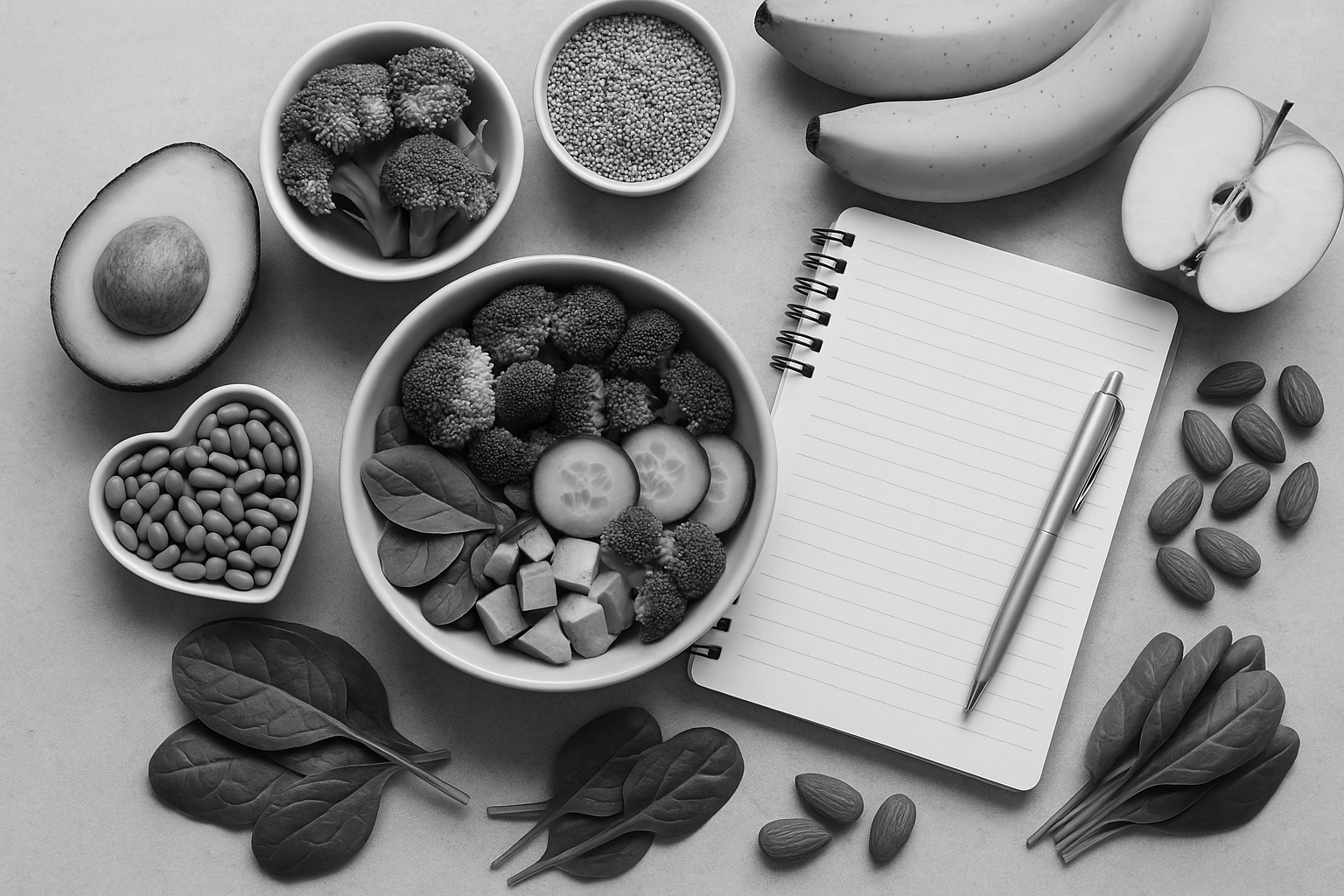
What “Eating Healthy” Really Means
Eating healthy isn’t about strict rules, skipping everything you enjoy, or chasing perfection. It’s about building a way of eating that supports your energy, mood, digestion, and long-term health—most of the time. A healthy pattern usually includes plenty of minimally processed foods, enough protein and fiber to keep you full, and a balance of carbohydrates and fats that fits your lifestyle.
Think in terms of habits you can repeat: more vegetables, consistent meals, smarter snacks, and water. When your foundation is solid, there’s room for flexibility, celebrations, and favorite treats—without guilt.
Build a Balanced Plate (Without Counting Everything)
If tracking calories or macros doesn’t appeal to you, the “balanced plate” method is simple and effective. It helps you get key nutrients while naturally supporting portion control.
Use the Plate Method
- Half your plate: non-starchy vegetables (salad greens, broccoli, peppers, zucchini, carrots, cauliflower)
- One quarter: protein (chicken, fish, eggs, tofu, beans, Greek yogurt, lean beef)
- One quarter: smart carbs (brown rice, quinoa, oats, potatoes, fruit, whole-grain bread or pasta)
- Add: a source of healthy fat (olive oil, avocado, nuts, seeds) and something flavorful (herbs, spices, salsa, lemon)
This approach works for breakfast, lunch, and dinner. For example: eggs (protein) with sautéed spinach and tomatoes (veg), plus whole-grain toast (carb) and avocado (fat).
Prioritize Protein and Fiber
Protein and fiber are two of the most helpful nutrients for steady energy and satisfaction after meals. Protein supports muscle repair and helps you feel full; fiber supports digestion, heart health, and stable blood sugar.
- Easy protein boosts: add beans to salads, choose Greek yogurt, include eggs, keep tuna or salmon packets on hand, or add tofu to stir-fries.
- Easy fiber boosts: berries, apples, oats, lentils, chickpeas, chia seeds, and vegetables at every meal.
Choose Foods That Make Healthy Eating Easier
Healthy eating becomes much simpler when you stock your kitchen with options that are quick to assemble. You don’t need a “perfect” pantry—just a few reliable staples.
Focus on Mostly Whole, Minimally Processed Foods
Whole foods (or lightly processed foods) tend to be more filling and nutrient-dense: fruits, vegetables, whole grains, legumes, nuts, seeds, eggs, seafood, and plain dairy. Processed foods aren’t automatically “bad,” but many ultra-processed choices are easy to overeat because they’re designed to be highly palatable and low in fiber.
A helpful rule: choose foods with a short ingredient list most of the time, and keep fun foods as enjoyable extras instead of the foundation.
Smart Swaps That Don’t Feel Like Punishment
- Swap sugary cereal for oats with fruit and nut butter.
- Swap soda for sparkling water with citrus or a splash of juice.
- Swap chips every day for air-popped popcorn or roasted chickpeas.
- Swap heavy takeout meals for one-pan meals (protein + veggies + a grain).
These swaps still taste good and make your day-to-day eating pattern more supportive.
Plan Ahead (So You’re Not Relying on Willpower)
Most people don’t struggle with knowing what to do—they struggle with doing it when life gets busy. Planning reduces decision fatigue and makes healthy choices the default.
Simple Meal Prep Strategies
- Pick 2–3 go-to breakfasts (like yogurt + berries, eggs + toast, or overnight oats).
- Batch-cook one protein (chicken, lentils, turkey, tofu) and one carb (rice, quinoa, potatoes).
- Wash and chop produce so it’s ready to snack on or throw into meals.
- Keep “backup meals” (frozen veggies, canned beans, frozen shrimp, whole-grain pasta, jarred marinara).
Even 30–60 minutes once or twice a week can make weeknight meals faster and healthier.
Make Healthy Snacks Easy
Snacks can either stabilize your day or derail it—depending on what’s available. Build snacks that combine protein and fiber for staying power.
- Apple + peanut butter
- Greek yogurt + berries
- Hummus + carrots or peppers
- Hard-boiled eggs + fruit
- Trail mix (nuts + seeds + a little dried fruit)
Mindful Eating: Listen to Hunger and Fullness
Healthy eating isn’t only what you eat—it’s also how you eat. Mindful eating helps you enjoy food more and notice when you’ve had enough.
Slow Down and Check In
Try a quick pause before you eat: are you physically hungry, or stressed, bored, or tired? During meals, aim to eat without constant scrolling for at least part of the time. You’ll often feel satisfied with less when you’re actually tasting your food.
Aim for “Comfortably Full”
You don’t need to stop at “still hungry,” and you don’t need to reach “stuffed.” A practical target is comfortably full—where you feel satisfied, not heavy. Eating regular meals, including enough protein, and adding fiber-rich plants makes this much easier.
Hydration and Drinks: The Overlooked Piece
Drinks can quietly add lots of sugar and calories, or they can support your goals. Hydration also impacts energy and appetite—thirst is often mistaken for hunger.
Choose Mostly Low-Sugar Options
- Best basics: water, sparkling water, unsweetened tea, black coffee
- Also fine: milk, fortified plant milks, smoothies (watch added sugar)
- Limit: sugary coffees, soda, sweetened teas, frequent juice
If plain water is boring, add lemon, cucumber, mint, or a pinch of salt plus citrus after workouts.
Healthy Eating on a Budget (and With a Busy Schedule)
Eating healthy doesn’t have to be expensive or time-consuming. A few smart strategies can keep costs down while still improving nutrition.
Budget-Friendly Staples
- Beans, lentils, and chickpeas (canned or dried)
- Eggs and canned fish (tuna, salmon, sardines)
- Frozen vegetables and frozen fruit
- Oats, brown rice, whole-grain pasta
- In-season produce and store-brand basics
Quick Healthy Meal Ideas
- Stir-fry: frozen veggies + tofu/chicken + rice
- Taco bowls: beans + salsa + veggies + avocado
- Sheet pan dinner: salmon/chicken + broccoli + potatoes
- Big salad: greens + protein + crunchy veggies + olive oil dressing
Common Mistakes to Avoid
Many “healthy eating” attempts fail because they’re too extreme. A few course corrections can make your approach more sustainable.
Going All-or-Nothing
If one less-than-perfect meal makes you feel like you’ve “failed,” it’s hard to stay consistent. Instead, focus on the next choice. Progress comes from patterns, not perfection.
Not Eating Enough During the Day
Skipping meals or under-eating often leads to intense cravings later. Regular meals with protein, fiber, and healthy fats can reduce overeating at night.
Overcomplicating It
You don’t need a new recipe every night. Repeating a few reliable meals, using shortcuts like frozen vegetables, and keeping simple snacks on hand can make healthy eating feel easy.
Conclusion
Eating healthy is about building a routine you can maintain: balanced plates, consistent protein and fiber, simple planning, and mindful habits that support your lifestyle. Start with one change—like adding a vegetable to lunch or upgrading your snacks—and let small wins stack up over time. The healthiest plan is the one you can keep doing.