Why Meal Prep Helps With Weight Loss
Meal prep is one of the most effective ways to support weight loss because it reduces decision fatigue, portion guesswork, and last-minute choices that tend to be higher in calories. When you plan ahead, you can build meals around lean protein, high-fiber carbs, and healthy fats—foods that keep you fuller for longer and make it easier to maintain a calorie deficit without feeling deprived.
It also helps you stay consistent. Even a “pretty good” plan executed most days will beat a perfect plan you can’t stick to. With meal prep, your healthy option is already made, which means you’re less likely to rely on takeout, vending snacks, or oversized restaurant portions.
Set a Realistic Goal (Calories, Protein, and Portions)
Before you cook anything, decide what “success” looks like for you. Weight loss typically comes down to consistently eating fewer calories than you burn, but the best meal prep plan also prioritizes protein and fiber so you feel satisfied.
Start with simple targets
- Calories: Choose a modest deficit you can maintain. If you’re unsure, start by reducing portions slightly and tracking for 1–2 weeks to learn your baseline.
- Protein: Aim for a protein source at each meal (chicken, turkey, fish, eggs, tofu, Greek yogurt, beans). Higher-protein meals tend to reduce hunger and support muscle while losing fat.
- Portions: Use a consistent method—measuring cups, a food scale, or a visual plate guide (½ veggies, ¼ protein, ¼ carbs, plus a small amount of fat).
If you’ve struggled with meal prep before, keep the first week extremely simple: prep just lunches or just dinners. You can always expand later.
Choose a Meal Prep Style That Fits Your Schedule
There’s no single “right” way to meal prep. The best style is the one you can repeat weekly without stress.
Popular meal prep methods
- Batch cooking: Cook large amounts of a few components (protein, grains, vegetables) and mix-and-match all week.
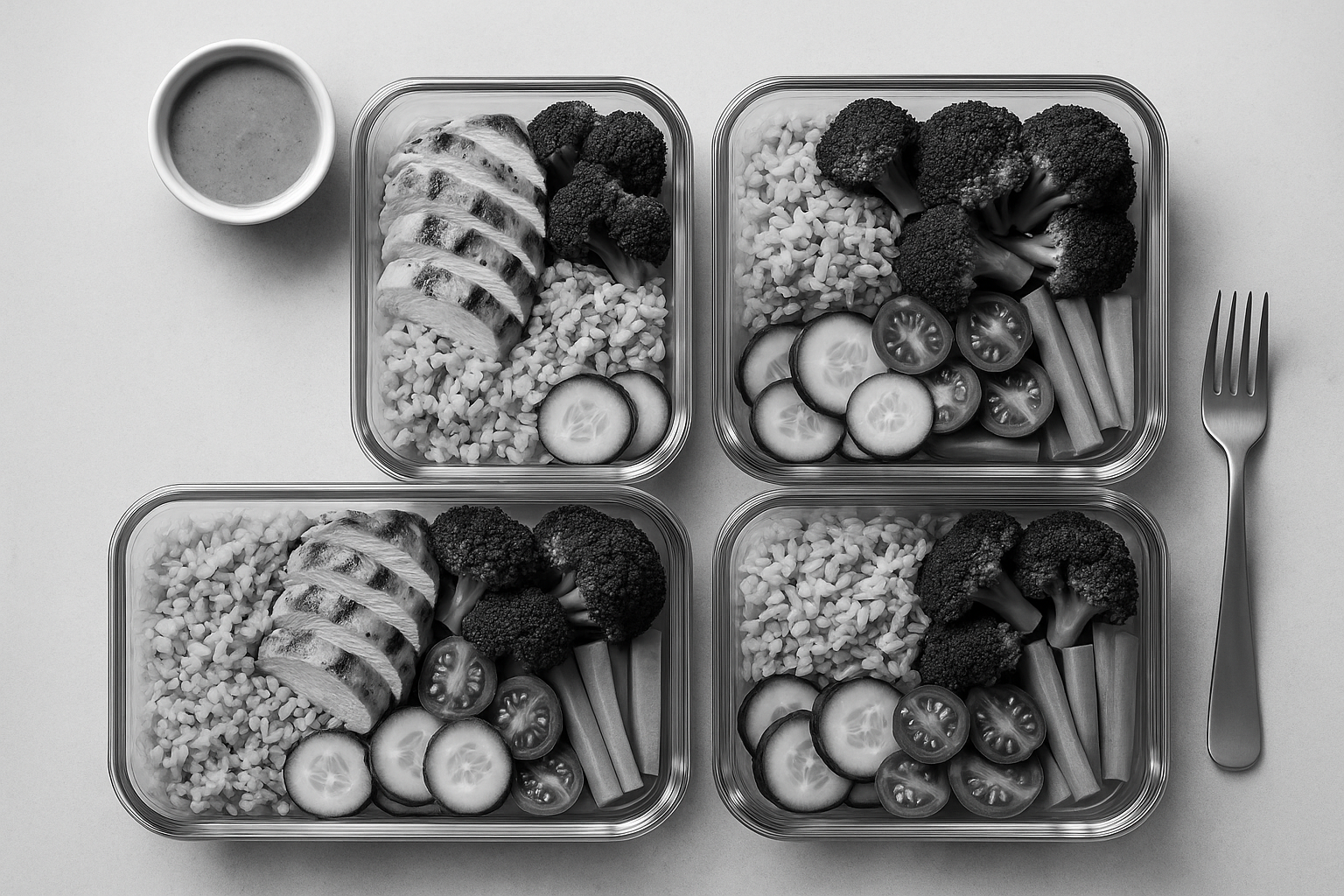
- Portioned meal boxes: Fully assemble meals into containers so they’re grab-and-go.
- Ingredient prep: Wash/chop produce, cook proteins, and prep sauces so meals come together in 10 minutes.
- Freezer prep: Make extra portions of soups, chili, and casseroles to freeze for busy days.
If you get bored easily, try a hybrid approach: prep core ingredients plus one or two ready-to-eat meals for the busiest days.
Build Weight-Loss-Friendly Meals (The Simple Formula)
A reliable meal prep formula keeps calories in check while maximizing fullness and satisfaction.
The “Protein + Fiber + Flavor” approach
- Protein: 25–40g per meal is a useful range for many people, but adjust based on your needs.
- Fiber-rich plants: Non-starchy veggies (broccoli, peppers, greens, zucchini) and high-fiber carbs (berries, beans, oats, brown rice, quinoa).
- Healthy fats: Small portions of olive oil, avocado, nuts, seeds, or cheese to improve satisfaction.
- Flavor: Low-calorie sauces, salsa, herbs, spice blends, citrus, vinegar, mustard, and hot sauce make “healthy” taste great.
When assembling meals, start with vegetables first (they add volume), then portion protein, then add a measured carb and fat. This keeps meals balanced and helps prevent “calorie creep.”
A 1-Week Meal Prep Plan (Mix-and-Match)
This plan keeps ingredients minimal while creating variety. Choose 2 proteins, 2 carbs, 3–4 vegetables, and 1–2 sauces. Prep once, then mix different combinations through the week.
Sample grocery list
- Proteins: chicken breast or thighs, extra-lean ground turkey (or tofu/tempeh)
- Carbs: brown rice or quinoa, sweet potatoes
- Vegetables: broccoli, bell peppers, onions, spinach or mixed greens
- Extras: canned black beans, salsa, plain Greek yogurt, shredded cheese (optional), olive oil, limes/lemons
Prep once, eat all week
- Sheet-pan chicken + vegetables: Roast chicken and a big tray of mixed veggies with a spice blend (taco seasoning, garlic-herb, or lemon-pepper).
- Cook a grain: Make a pot of rice or quinoa for bowls and stir-fries.
- Roast sweet potatoes: Cube and roast for quick sides or breakfast hashes.
- Make a simple sauce: Greek yogurt + lime + garlic + salt (or use salsa, hummus, or a light vinaigrette).
Easy meal ideas from the same prep
- Burrito bowl: chicken + rice + black beans + peppers/onions + salsa + yogurt-lime sauce
- Big salad: greens + chicken + roasted veggies + a measured drizzle of olive oil + vinegar
- Sweet potato power plate: roasted sweet potato + turkey/tofu + broccoli + hot sauce
- Quick stir-fry: toss pre-cooked rice with veggies and protein in a pan; add soy sauce or teriyaki-style seasoning
Tip: If you want more variety, switch the sauce. The same ingredients can taste completely different with salsa vs. a garlic-herb yogurt sauce vs. a light peanut-lime dressing.
Smart Snacks (So You Don’t Get Over-Hungry)
Snacks aren’t required for weight loss, but they can help if long gaps between meals lead to overeating later. The key is to prep snacks that are portioned and protein-forward.
Snack ideas that prep well
- Greek yogurt cups with berries
- Hard-boiled eggs + fruit
- Cottage cheese + cucumber or cherry tomatoes
- Protein shake + a banana
- Hummus + measured portion of crackers or veggie sticks
Pre-portion snacks into containers or bags. When snacks are “unlimited,” it’s easy to overshoot calories without noticing.
Meal Prep Tips to Stay on Track
Consistency comes from making meal prep easy, not perfect. These practical habits make the biggest difference over time.
Keep it simple (especially at first)
- Repeat breakfasts: Overnight oats, egg muffins, or yogurt bowls save time and mental energy.
- Use shortcuts: Frozen veggies, bagged salad kits, rotisserie chicken, and microwave grains can still support weight loss.
- Plan for real life: Build in 1–2 flexible meals per week (a freezer meal or a planned takeout option) so you don’t feel “off track.”
- Prioritize protein first: If you prep only one thing, prep protein—it’s usually the hardest part to pull together quickly.
Food safety and storage basics
- Cool cooked food quickly and refrigerate within 2 hours.
- Store most prepped meals in the fridge for up to 3–4 days; freeze extras if you’re prepping beyond that.
- Label containers with the date to reduce waste and guesswork.
Conclusion
Meal prep for weight loss doesn’t have to be complicated—it just needs to be consistent. Choose a realistic prep style, build meals around protein and fiber, and keep flavors interesting with simple sauces and seasonings. Start small, improve week by week, and you’ll make healthy eating the default instead of the exception.