
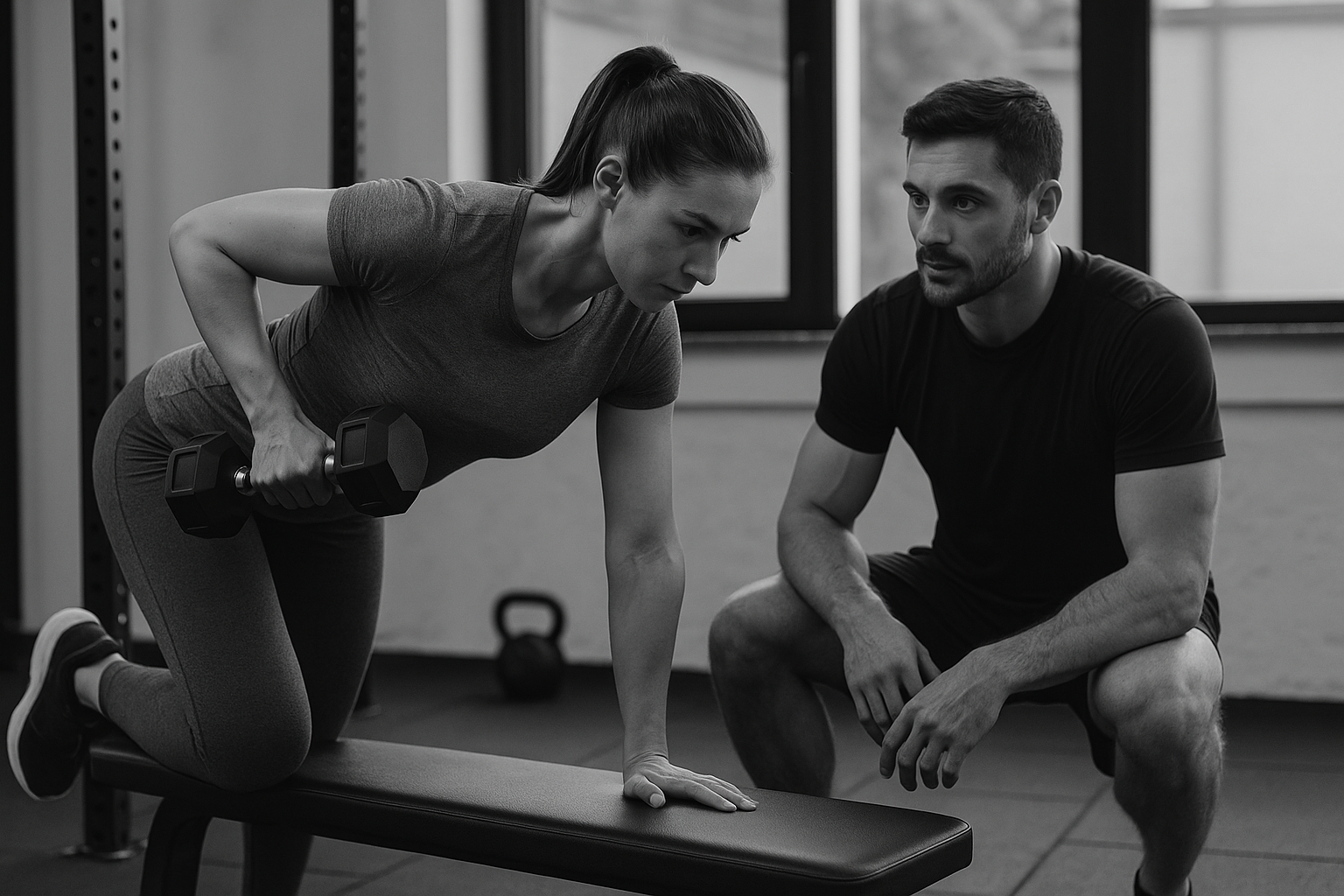
What Is One on One Training?
One on one training is a personalized coaching format where a trainer works with a single client at a time. Unlike group classes or general fitness plans, this approach is tailored to your body, goals, schedule, and experience level. Sessions may happen in a gym, at home, outdoors, or online via video—what matters most is the individualized attention and programming.
Depending on the trainer’s specialty, one on one training can support a wide range of goals, including strength and muscle building, fat loss, improved mobility, injury recovery support (within scope), athletic performance, and confidence in the gym.
Key Benefits of One on One Training
Personalized Programming
In one on one training, your plan is built for you—your starting point, movement patterns, injury history, equipment access, and preferences. A good trainer doesn’t just hand you a generic workout; they choose exercises and progressions that make sense for your body and your timeline.
This personalization is especially valuable if you’ve tried “one-size-fits-all” programs that didn’t work, left you sore in the wrong places, or stalled your progress.
Faster Progress Through Real-Time Feedback
Technique matters. With a coach watching your form in real time, you can make immediate corrections that improve results and reduce risk. Small changes—like foot placement in a squat or shoulder position in a press—can make exercises feel better and work the intended muscles more effectively.
Over time, this feedback builds body awareness and helps you move with more confidence, even outside of sessions.
Accountability and Motivation
One of the biggest reasons people choose one on one training is consistency. When you have a scheduled session and someone expecting you, it’s easier to show up on low-motivation days. Trainers also help you set realistic targets, track progress, and celebrate wins that you might otherwise overlook.
For many clients, the combination of structure and encouragement becomes the difference between “trying” and actually sticking with a routine.
Safer Training and Better Technique
Whether you’re new to exercise or returning after time off, safety is a major advantage. A qualified trainer can select appropriate intensity, teach proper form, adjust exercises to match your mobility and stability needs, and guide you through warm-ups and recovery strategies.
This is particularly helpful if you’re learning free weights, dealing with recurring aches, or unsure how hard you should push.
Who Should Consider One on One Training?
Beginners Who Want Guidance
If the gym feels intimidating or you’re unsure where to start, one on one training provides a clear path. You’ll learn foundational movements, how to use equipment, and how to progress safely—without wasting weeks guessing.
People With Specific Goals
Personal coaching is ideal when your goal is specific and measurable, such as deadlifting a certain weight, improving a 5K time, building muscle in a targeted way, or preparing for an event. A trainer can reverse-engineer a plan and keep you on track with milestones.
Busy Professionals Needing Efficient Workouts
When time is limited, efficiency matters. One on one training removes decision fatigue: your workout is ready, your time is structured, and every set has a purpose. This can be a game-changer for busy schedules where missed sessions quickly turn into missed months.
Anyone Returning After Injury or a Long Break
If you’ve been sidelined by an injury or life changes, a trainer can help you rebuild gradually and confidently. While trainers don’t replace medical professionals, many can collaborate with your care team’s guidance and modify exercises to support your return to movement.
How to Choose the Right One on One Trainer
Check Credentials and Experience
Look for reputable certifications and practical experience that aligns with your goals. Certifications don’t guarantee quality, but they do signal baseline education and professional standards. Experience matters, too—especially if you have a specific need like strength training, postpartum training, or sports performance.
Look for Specialties That Match Your Goals
A trainer who excels at bodybuilding may coach differently than one focused on endurance or mobility. Ask directly: “Who do you work with most?” and “What results do your clients typically achieve?” The right match should feel like a specialist, not a salesperson.
Assess Communication and Coaching Style
Some people want high-energy motivation; others prefer calm, technical coaching. During a consultation or trial session, notice whether the trainer listens, asks thoughtful questions, and explains the “why” behind the plan. Great coaching is a two-way conversation.
Ask About Assessments, Progress Tracking, and Plan Structure
Effective one on one training usually includes:
- An initial assessment (movement screen, mobility checks, baseline strength or fitness measures)
- A structured progression (how exercises, sets, and intensity change over time)
- Progress tracking (performance metrics, photos, measurements, habit tracking, or consistency goals)
If a trainer can’t explain how they track progress, it may be harder to know whether the program is working.
What to Expect in a One on One Training Session
Warm-Up and Movement Prep
Most sessions start with a warm-up that raises body temperature and prepares key joints and muscles for the day’s work. This may include mobility drills, activation exercises, and rehearsal of the main movements.
Main Workout and Skill Work
This portion typically includes strength training, conditioning, or skill development based on your goals. Your trainer will coach technique, adjust loads, manage rest periods, and make real-time modifications if something feels off.
Cool-Down, Recovery, and Next Steps
Sessions often finish with a cool-down, stretching or breathing work, and a quick recap. Many trainers also assign simple “homework,” such as steps per day, mobility drills, or a short at-home routine to support progress between sessions.
Cost Considerations and How to Get the Most Value
Typical Pricing Models
Pricing varies widely by location, trainer experience, and setting. Common models include per-session rates, packages (e.g., 10 or 20 sessions), monthly coaching, or hybrid plans that combine fewer in-person sessions with a structured program.
How Often Should You Train One on One?
Frequency depends on your budget, schedule, and goals. Many people do well with 1–3 sessions per week. If cost is a concern, consider one weekly session focused on technique and progression, paired with independent workouts using your trainer’s plan.
Tips to Maximize Your Results
- Be honest about your lifestyle: sleep, stress, schedule, and nutrition impact results.
- Prioritize consistency: steady effort beats “perfect” weeks followed by long breaks.
- Track a few key metrics: strength numbers, waist/hip measurements, energy levels, or workout adherence.
- Ask questions: understanding your program builds confidence and independence.
- Focus on recovery: hydration, protein, steps, and sleep often make training work better.
Conclusion
One on one training offers personalized guidance, faster skill development, and the accountability many people need to stay consistent. By choosing a trainer whose experience matches your goals and committing to a clear plan, you can make measurable progress—whether you’re just starting out or ready to level up your performance.