Why Post-Workout Recovery Matters
Training is the stimulus that challenges your body, but recovery is when your body adapts—repairing muscle tissue, replenishing energy stores, and resetting your nervous system. When recovery is dialed in, you’re more likely to see consistent strength and endurance gains, maintain better technique, and reduce your risk of nagging aches that can derail progress.
Recovery isn’t just “rest.” It’s a collection of habits—nutrition, sleep, movement, and stress management—that help you show up for your next session feeling ready instead of drained.
The Building Blocks of Effective Recovery
1) Cool Down and Bring Your Heart Rate Down
A proper cool down helps transition your body from high effort back to baseline. It can reduce dizziness, support circulation, and signal the start of recovery.
- 5–10 minutes of easy movement: light jogging, cycling, rowing, or brisk walking.
- Breathing reset: try 2–3 minutes of slow nasal breathing (inhale 4 seconds, exhale 6 seconds) to downshift your nervous system.
2) Rehydrate and Replace Electrolytes
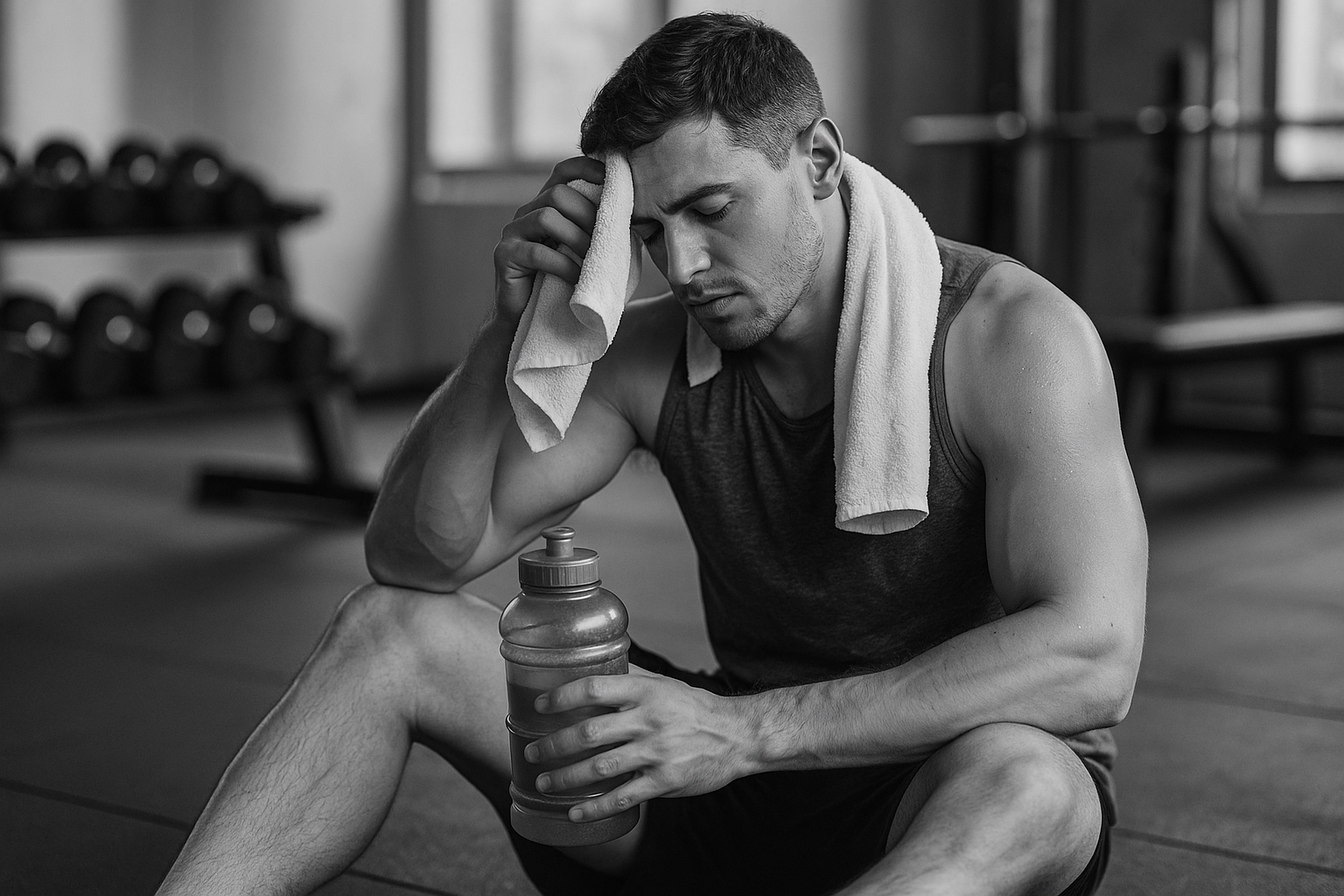
Even mild dehydration can affect performance, recovery, and sleep quality. Water matters, but electrolytes (especially sodium) are key if you sweat heavily or train in heat.
- Start simple: drink water after training and with your next meal.
- Use the “urine color check”: pale yellow typically indicates adequate hydration.
- Electrolytes help when: sessions are long, intense, hot/humid, or you’re a salty sweater (white marks on clothes/skin).
3) Refuel With Protein and Carbs
Nutrition after a workout supports muscle protein synthesis and replenishes glycogen (your stored carbohydrate fuel). The exact “timing window” is flexible, but eating within a couple of hours is a practical guideline—especially if you’ll train again soon.
- Protein: aim for roughly 20–40g after training (adjust based on body size and goals). Quality sources include chicken, eggs, Greek yogurt, tofu, tempeh, fish, lean meat, or a protein shake.
- Carbs: especially important after endurance training or high-volume lifting. Choose options like rice, potatoes, oats, fruit, pasta, or whole-grain bread.
- Don’t forget color: fruits and vegetables provide antioxidants and micronutrients that support recovery and overall health.
Easy recovery meal ideas: a turkey sandwich with fruit, a rice bowl with salmon and veggies, Greek yogurt with berries and granola, or a smoothie with protein, banana, and oats.
4) Prioritize Sleep (Your Best Recovery Tool)
If you only improve one recovery habit, make it sleep. Deep sleep supports hormone regulation, tissue repair, memory consolidation (including motor learning), and immune function.
- Target: 7–9 hours for most adults, with consistency in bed and wake times.
- Create a wind-down routine: dim lights, limit heavy meals and alcohol late, and reduce screen time 30–60 minutes before bed.
- Keep it cool and dark: a slightly cooler room and minimal light can improve sleep quality.
5) Active Recovery: Move to Recover
“Active recovery” means low-intensity movement that increases blood flow without adding significant stress. Done right, it can help reduce stiffness and keep you feeling loose between harder sessions.
- Great options: walking, easy cycling, light swimming, mobility flows, or gentle yoga.
- Intensity check: you should be able to hold a relaxed conversation.
- Duration: 15–45 minutes is plenty for most people.
6) Mobility, Stretching, and Soft Tissue Work
Mobility work can maintain range of motion, improve movement quality, and help you feel better between workouts. While stretching won’t “erase” soreness overnight, it may reduce the sensation of tightness and improve how you move.
- Post-workout: 5–10 minutes of gentle stretching for the muscles you trained can be helpful.
- Foam rolling/massage balls: use light-to-moderate pressure for 1–2 minutes per area.
- Focus on common tight spots: calves, quads, hip flexors, glutes, upper back, and lats—based on your training.
Recovery Strategies Based on Your Training Style
Strength Training Recovery
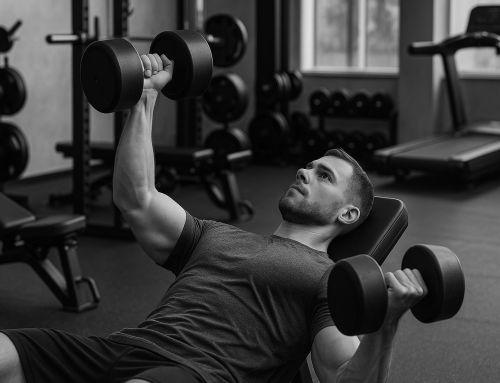
After heavy lifting or high-volume resistance training, your muscles and connective tissues need time and resources to rebuild.
- Nutrition: prioritize protein across the day (not just post-workout) and include carbs if your sessions are long or intense.
- Plan rest days: alternating hard and easy days often works better than pushing hard every session.
- Watch soreness vs. pain: mild soreness is normal; sharp, localized pain or worsening symptoms need attention.
Endurance Training Recovery
Running, cycling, and other endurance work can heavily tax glycogen stores and your cardiovascular system.
- Carbs matter: replenish with a carb-forward meal or snack after longer or faster sessions.
- Hydration: consider electrolytes for sweaty sessions and long runs/rides.
- Easy days are training: keeping truly easy sessions easy helps you absorb the harder work.
HIIT and Sport Recovery
High-intensity intervals and sports often stress both muscles and the nervous system. Recovery needs may feel more “whole-body” than localized.
- Cool down + breathing: extra helpful to bring intensity down.
- Sleep and stress management: crucial for nervous system recovery.
- Schedule intensity wisely: avoid stacking multiple all-out days in a row if you’re feeling run down.
Common Recovery Mistakes to Avoid
- Training hard every day: progress comes from a balance of stress and recovery.
- Under-eating protein: inconsistent intake can slow muscle repair and adaptation.
- Ignoring hydration: it’s an easy performance and recovery win.
- Relying on supplements instead of basics: sleep, food, and smart programming have the biggest payoff.
- Confusing soreness with effectiveness: more soreness doesn’t always mean a better workout.
Simple Post-Workout Recovery Routine (10–20 Minutes)
- Cool down: 5–10 minutes easy cardio.
- Breathing: 2 minutes slow nasal breathing.
- Hydrate: water (add electrolytes if you sweat a lot).
- Quick mobility: 3–5 minutes for tight areas.
- Fuel: plan a protein + carb meal within the next couple of hours.
Conclusion
Post-workout recovery is where your training pays off. By combining a short cool down, smart hydration, protein and carbs, quality sleep, and low-intensity movement, you’ll recover faster, feel better between sessions, and make more consistent progress. Keep it simple, stay consistent, and adjust based on how your body responds.