What Is Resistance Training?
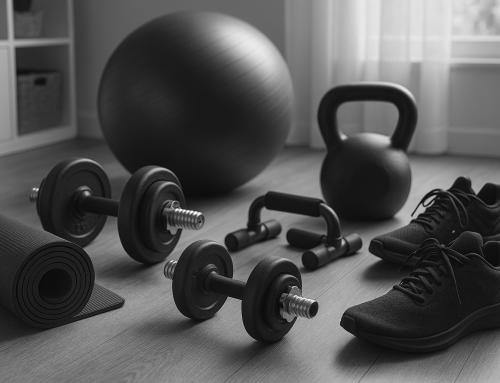
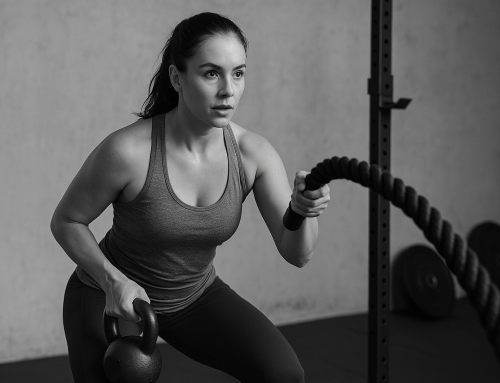
Resistance training (also called strength training or weight training) is any form of exercise where your muscles work against an external force. That “resistance” can come from dumbbells, barbells, kettlebells, machines, resistance bands, cables, medicine balls, or even your own bodyweight (think push-ups and squats). The goal is to challenge your muscles enough that they adapt—becoming stronger, more resilient, and better at producing force over time.
Unlike cardio, which primarily trains your heart and lungs, resistance training focuses on the muscles, tendons, and bones. A well-designed program can improve strength, muscle tone, athletic performance, posture, and daily function—like lifting groceries, carrying kids, climbing stairs, and reducing aches that come from weakness or inactivity.
Key Benefits of Resistance Training
Builds strength and lean muscle
When you train with resistance consistently, your body responds by increasing muscle protein synthesis and improving neuromuscular efficiency (how well your brain and muscles communicate). Over time, you can build strength and add lean muscle mass, which supports everyday movement and performance in sports or hobbies.
Supports fat loss and metabolic health
Resistance training can be a powerful companion to fat loss because it helps preserve (or build) muscle while dieting. Muscle tissue is metabolically active, and building more of it can slightly increase your daily energy expenditure. More importantly, strength training improves insulin sensitivity and glucose control, supporting overall metabolic health.
Improves bone density and joint health
Loading your body through squats, hinges, presses, and pulls encourages your bones to adapt and become stronger. This is especially important as we age, when bone density can decline. Properly performed resistance training also strengthens connective tissues and can improve joint stability, helping reduce injury risk and supporting long-term mobility.
Boosts posture, balance, and everyday function
Strong back, glute, and core muscles make it easier to maintain good posture—both during workouts and while sitting, standing, or walking. Many resistance exercises also challenge balance and coordination, which translates directly to real-life movement quality and confidence.
Enhances mood and confidence
Strength training often delivers measurable progress—another rep, a slightly heavier weight, better technique—which can be motivating. Many people also find resistance training reduces stress and improves mood, partly through endorphins and partly through the empowerment of getting stronger.
Core Principles to Know Before You Start
Progressive overload
Your body adapts to what you repeatedly ask it to do. Progressive overload means gradually increasing the challenge over time—adding weight, reps, sets, improving range of motion, slowing tempo, or shortening rest periods. Small, consistent progress beats big jumps that compromise form.
Good form beats heavy weight
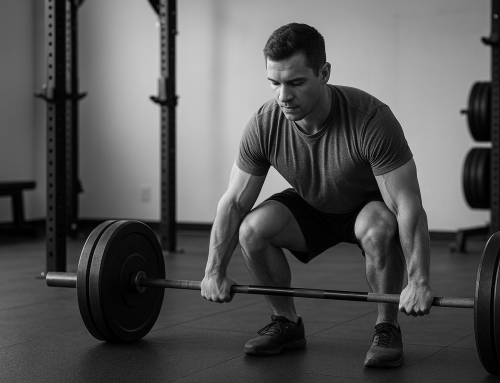
Technique is your foundation. Using a load you can control through a full range of motion is typically safer and more effective than forcing heavier weights with poor alignment. If you’re unsure about form, consider a qualified coach or start with machines or bodyweight variations until the movement feels solid.
Training frequency and consistency
You don’t need to train every day to see results. Most beginners do well with 2–3 full-body sessions per week. Intermediate lifters often thrive with 3–5 days per week, using a split (upper/lower or push/pull/legs). What matters most is consistency over months, not perfection in a single week.
Recovery matters
Muscles grow and adapt between sessions—especially when sleep, nutrition, hydration, and stress management are in a good place. Soreness isn’t required for progress, and more training isn’t always better. Plan rest days and pay attention to signs of fatigue, nagging aches, and poor performance.
Common Types of Resistance Training
Free weights
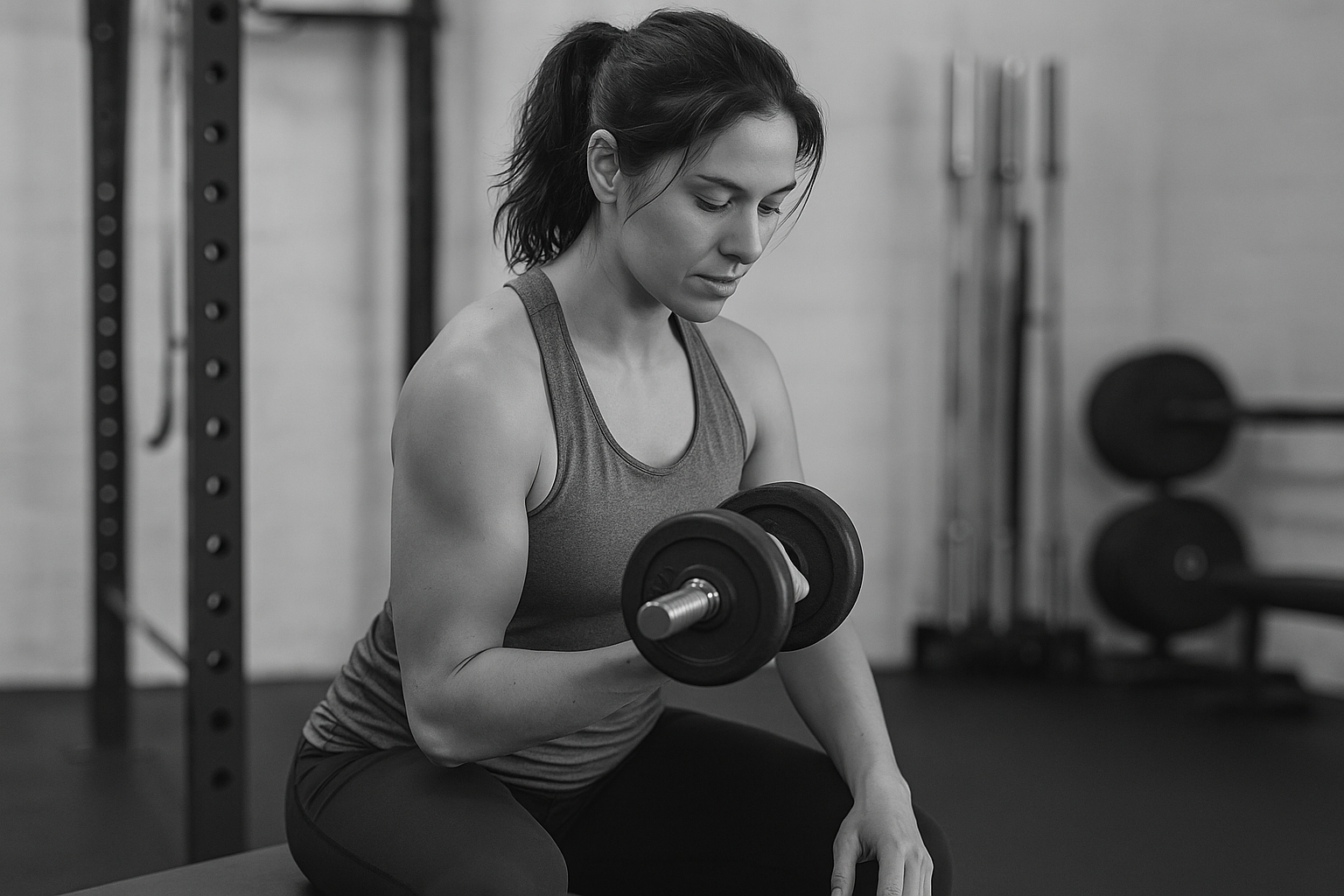
Dumbbells, barbells, and kettlebells offer versatility and encourage stabilizer muscles to work. They’re excellent for building strength with compound lifts like squats, deadlifts, presses, and rows.
Machines and cables
Machines can be beginner-friendly because they guide the movement path and make it easier to train safely to near fatigue. Cable systems provide consistent tension and are great for controlled pulling and rotational movements.
Resistance bands
Bands are portable, joint-friendly, and useful for home workouts, warm-ups, and accessory work. They can also help you learn movement patterns (like assisted pull-ups) or add accommodating resistance.
Bodyweight training
Push-ups, pull-ups, dips, lunges, and squats are classic bodyweight moves that build real strength. They’re accessible and scalable using tempo, pauses, range of motion, and leverage changes.
A Beginner-Friendly Resistance Training Plan (3 Days/Week)
This simple plan emphasizes full-body training with foundational movement patterns. Aim for 2–3 minutes of rest after big compound lifts and 60–90 seconds on smaller accessory movements. Choose a weight that lets you complete the lower end of the rep range with good form, leaving about 1–3 reps “in the tank.”
Day 1: Full Body A
- Squat variation (goblet squat or leg press): 3 sets of 6–10 reps
- Horizontal push (dumbbell bench press or push-ups): 3 sets of 6–12 reps
- Horizontal pull (one-arm dumbbell row or cable row): 3 sets of 8–12 reps
- Hip hinge (Romanian deadlift with dumbbells): 2–3 sets of 8–12 reps
- Core (plank): 2–3 sets of 20–45 seconds
Day 2: Full Body B
- Hip hinge (trap bar deadlift or kettlebell deadlift): 3 sets of 5–8 reps
- Vertical push (dumbbell overhead press): 3 sets of 6–10 reps
- Vertical pull (lat pulldown or assisted pull-up): 3 sets of 6–12 reps
- Single-leg work (split squat or step-ups): 2–3 sets of 8–12 reps per side
- Carry (farmer’s carry): 2–3 rounds of 20–40 meters
Day 3: Full Body A (Repeat with small progress)
- Repeat Day 1 and try one small improvement: +1 rep per set, a tiny weight increase, or cleaner technique.
How to Progress Safely and Avoid Plateaus
Use a simple progression rule
Pick a rep range (for example, 6–10). When you can hit the top end of the range for all sets with good form, increase the load slightly next time and repeat. This keeps progress steady and controlled.
Don’t max out constantly
Training to absolute failure every set can make recovery harder and can degrade form. Most people progress faster by stopping 1–2 reps short of failure on big lifts, saving higher effort for smaller, safer exercises.
Track your workouts
A basic log—exercise, sets, reps, and weight—helps you see patterns and ensures you’re gradually improving. It also makes it easier to spot when you’re doing too much too soon.
Prioritize mobility and warm-ups
Start sessions with 5–10 minutes of easy movement (walking, cycling, or rowing), then do a few lighter warm-up sets of your first lift. If certain joints feel stiff, add targeted mobility work, but keep it practical and consistent.
Conclusion
Resistance training is one of the most effective ways to build strength, support long-term health, and improve how you feel in daily life. Start with a simple plan, focus on good form, and progress gradually. If you stay consistent for a few months, the results—stronger muscles, better posture, and greater confidence—tend to follow.