Introduction
Strength training is more than just lifting heavy weights — its a foundational practice for improving health, functional movement, and long-term quality of life. Whether youre a complete beginner or returning after a break, a well-structured strength program improves muscle mass, bone density, metabolic health, and confidence. This guide explains the benefits, types of strength work, how to get started, progression and recovery principles, common mistakes to avoid, and a simple beginner program.
Benefits of Strength Training
- Improved muscle and bone health: Regular resistance work increases muscle mass and bone mineral density, reducing injury and fracture risk.
- Better metabolism: More lean mass boosts resting metabolic rate and supports long-term weight management.
- Enhanced functional ability: Strength makes everyday tasks easier — carrying groceries, climbing stairs, or playing with kids.
- Mental health and resilience: Exercise reduces stress, boosts mood, and builds discipline and confidence.
Types of Strength Training
Different tools and approaches can all build strength. Choose what fits your goals, access, and preferences.
Bodyweight Training
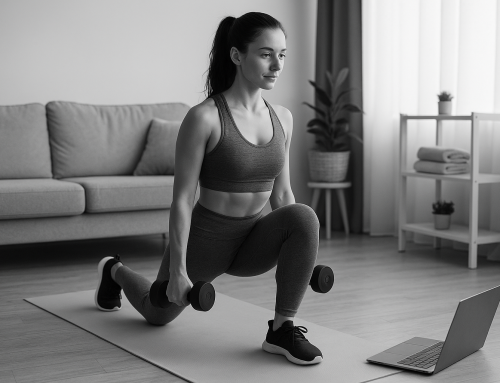
Great for beginners and travel-friendly. Push-ups, squats, lunges, planks, and pull-ups (or assisted variations) can build substantial strength when progressed properly.
Free Weights
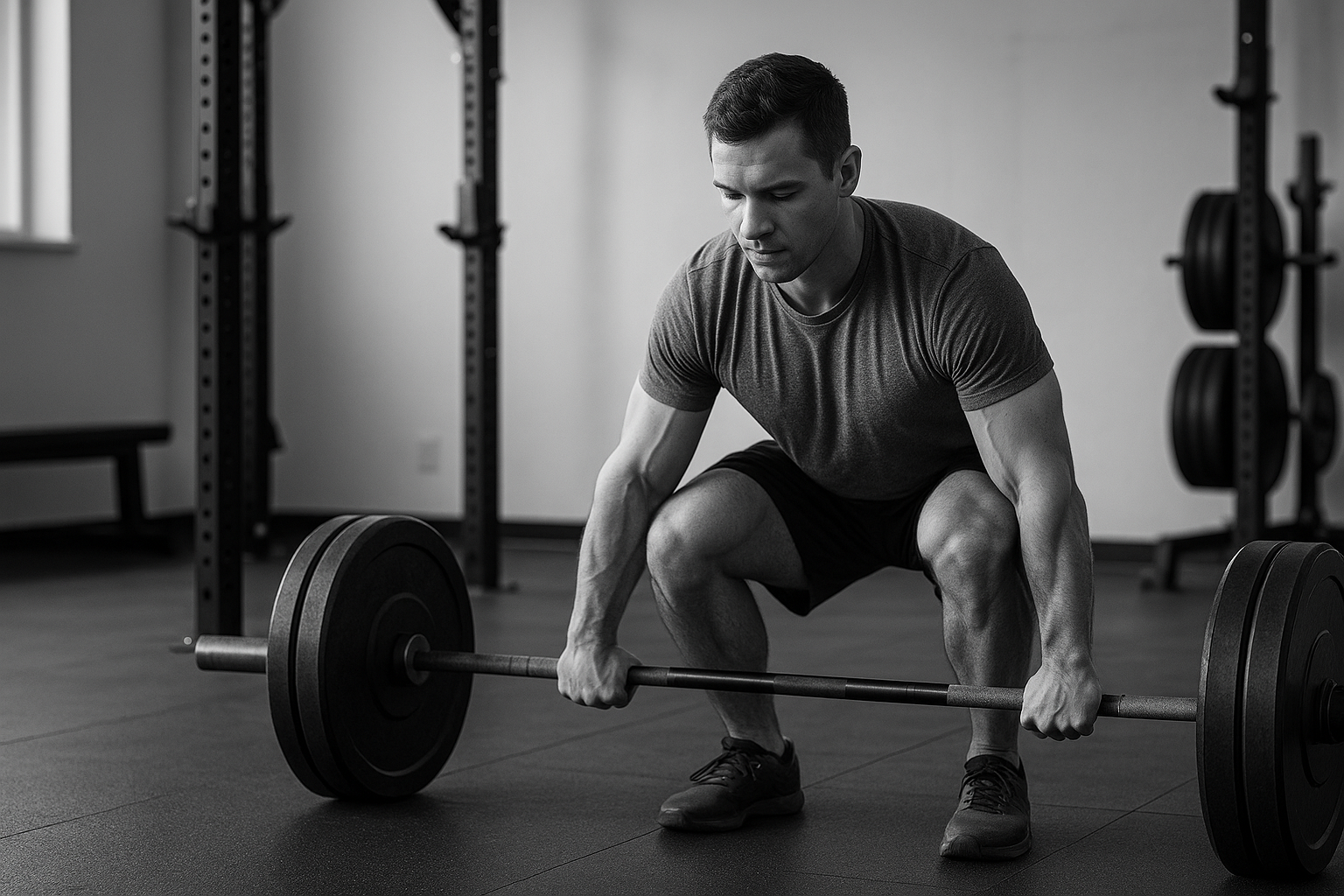
Dumbbells and barbells are versatile and effective for compound lifts like squats, deadlifts, presses, and rows. They promote balance, coordination, and carryover to real-world movements.
Machines and Cables
Machines can guide movement patterns and reduce technical demand, making them useful for rehabilitation, isolation work, or beginners who need extra stability.
Resistance Bands and Kettlebells
Bands provide accommodating resistance and mobility benefits. Kettlebells develop power and posterior chain strength with swings, goblet squats, and Turkish get-ups.
Getting Started
Assess Your Current Fitness
Consider a brief self-assessment: can you perform a set of 8-12 controlled bodyweight squats and push-ups? If not, start with regressions and work on mobility and form before adding load.
Set Clear, Measurable Goals
Pick specific targets like “deadlift bodyweight in 6 months” or “complete 10 strict pull-ups.” Goals help structure programming and measure progress.
Designing a Basic Program
Begin with full-body sessions 2–3 times per week or an upper/lower split if you prefer more frequency. Focus on compound lifts, balanced accessory work, and progressive overload (gradually increasing weight, reps, or volume).
Warm-up and Proper Form
Prioritize a 5–10 minute dynamic warm-up and mobility work specific to the session. Learn movements slowly, emphasize control, and consider working with a coach or using reputable tutorials to polish technique.
Progression and Recovery
Principle of Progressive Overload
To keep getting stronger, you must gradually increase the stress placed on muscles. Options include increasing weight, adding sets or reps, improving tempo, or reducing rest between sets.
Rest, Sleep, and Recovery
Strength gains happen between sessions. Aim for quality sleep, manage stress, and schedule rest or lighter weeks (deloads) every 4–8 weeks to avoid overtraining.
Nutrition for Strength
Eat enough protein (roughly 0.7–1.0 grams per pound of body weight for most trainees), maintain a slight calorie surplus for muscle gain, and ensure carbs and fats support energy and recovery.
Common Mistakes and Safety Tips
- Avoid jumping into heavy weights before mastering form.
- Dont neglect mobility and warm-ups.
- Consistency beats intensity spikes — gradual progress is sustainable.
- Use proper breathing and bracing techniques for heavy lifts to protect your spine.
- If pain (not normal muscle soreness) occurs, stop and consult a professional.
Sample Beginner 3-Day Program
Use moderate weights you can control for 8–12 reps. Rest 60–120 seconds between sets.
Day A
- Squat (bodyweight goblet or barbell) — 3 sets x 8–12 reps
- Push-ups or bench press — 3 sets x 8–12 reps
- One-arm dumbbell row — 3 sets x 8–12 reps
- Plank — 3 sets x 30–60 seconds
Day B
- Deadlift (Romanian or conventional) — 3 sets x 6–10 reps
- Overhead press — 3 sets x 8–12 reps
- Bent-over row or inverted row — 3 sets x 8–12 reps
- Farmer carry or loaded carry — 3 sets x 30–60 seconds
Day C (Optional)
- Bulgarian split squat — 3 sets x 8–12 reps per leg
- Pull-up or lat pulldown — 3 sets x 6–12 reps
- Hip thrust or glute bridge — 3 sets x 8–12 reps
- Core circuit (dead bug, side plank) — 2 rounds
Conclusion
Strength training is a scalable, evidence-backed way to improve physical and mental well-being. Start with clear goals, prioritize form and recovery, and use progressive overload to keep improving. With consistency and a simple plan, meaningful strength gains are within reach for anyone.