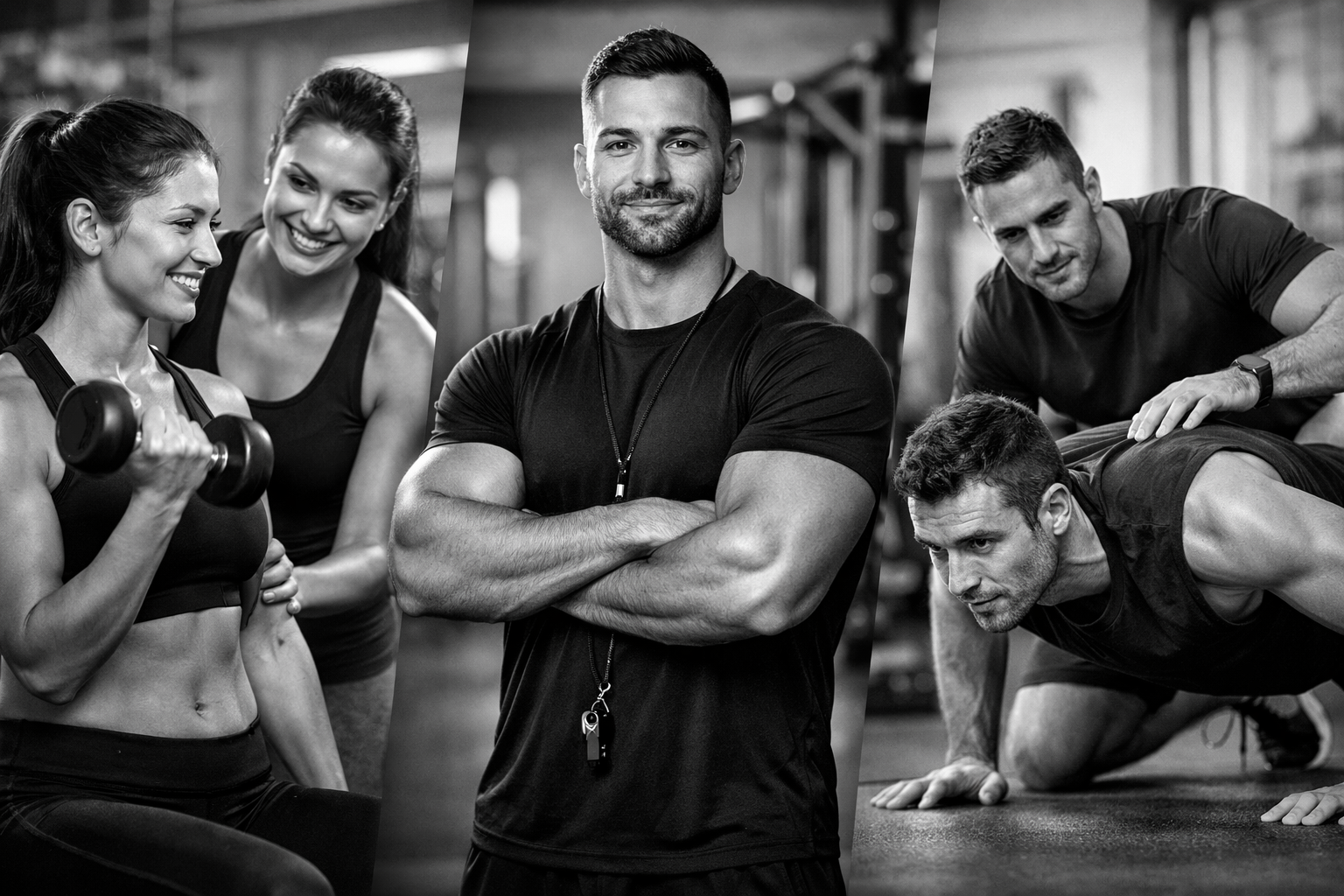
Choosing the best personal trainer can make the difference between spinning your wheels and finally seeing real progress. Whether your goal is fat loss, muscle gain, better mobility, or simply building a consistent exercise habit, the right trainer brings structure, accountability, and expertise to your fitness journey. But with so many options available, how do you know which personal trainer is actually the best for you?
What Makes the Best Personal Trainers Stand Out?
The best personal trainers do more than count reps. They understand movement, motivation, and how to tailor a program to each client’s needs. A great trainer creates a plan that matches your fitness level, goals, and lifestyle instead of forcing you into a one-size-fits-all approach.
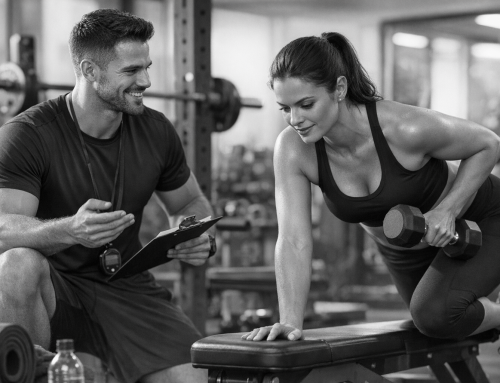
Look for a trainer who communicates clearly, listens carefully, and adjusts your workouts based on your progress. The best trainers also know how to keep sessions challenging without making them feel overwhelming or unsafe. Their role is part coach, part educator, and part accountability partner.
They Have Proper Credentials
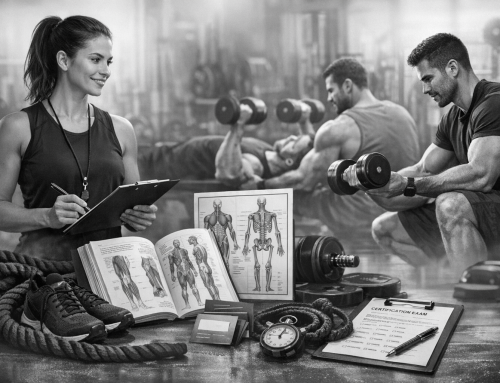
One of the first signs of a quality trainer is certification from a respected organization. Common certifications include NASM, ACE, ACSM, and ISSA. While certification alone does not guarantee greatness, it does show that the trainer has studied exercise science, anatomy, program design, and safety basics.
Additional experience in nutrition, rehabilitation, corrective exercise, or specialty training can also be a plus, especially if you have unique goals or health concerns.
They Personalize Your Program
The best personal trainers don’t hand out generic workout plans. They assess your current fitness level, ask about injuries or limitations, and design sessions that reflect your needs. For example, a beginner returning to exercise after years away should not receive the same program as an experienced lifter preparing for a bodybuilding competition.
True personalization also means adapting over time. As your strength, endurance, and confidence improve, your trainer should progress your workouts so you continue to challenge your body and avoid plateaus.
They Prioritize Form and Safety
A strong trainer pays close attention to technique. Proper form reduces injury risk and helps you get better results from each movement. The best personal trainers can explain why an exercise matters, demonstrate it clearly, and correct your mechanics in a supportive way.
If a trainer pushes you to lift too much too soon or ignores pain signals, that is a red flag. Good coaching should build you up, not break you down.
How to Choose the Best Personal Trainer for Your Needs
Finding the right trainer starts with knowing what you want. Are you looking to lose weight, build strength, improve athletic performance, or recover confidence in the gym? Different trainers specialize in different areas, so choosing someone whose background matches your goals can save time and frustration.
It also helps to think about your preferred training style. Some people thrive with a highly encouraging coach who offers lots of motivation. Others prefer a more technical, detail-oriented approach. The best personal trainer for you is someone whose communication style keeps you engaged and committed.
Check Experience and Specialties
Experience matters, especially if you have specific needs. A trainer who works primarily with older adults may be ideal for improving balance and strength safely, while someone with a background in sports performance may be better suited for athletic goals. If you have an injury history, consider trainers with corrective exercise or rehabilitation experience.
Ask how long they have been training clients and what kinds of results they typically help people achieve. A good trainer should be able to explain their approach in simple, confident terms.
Read Reviews and Testimonials
Client reviews can reveal a lot about a trainer’s professionalism, reliability, and personality. Look for recurring themes in testimonials. Do clients mention better results, improved confidence, or strong support? Are people saying the trainer is punctual, organized, and easy to work with?
While reviews should not be the only factor, they can give you a useful sense of whether the trainer consistently delivers a positive experience.
Ask About Nutrition Guidance
Fitness results often depend on what happens outside the gym too. Some personal trainers offer general nutrition guidance, meal-planning support, or habit coaching. Others focus strictly on exercise programming. Neither approach is wrong, but it is important to know what is included before you commit.
If nutrition support matters to you, ask whether the trainer stays within their scope of practice and whether they can help you build sustainable habits without relying on extreme diets.
Signs You’ve Found a Great Personal Trainer
Once you start training, there are a few clear signs that you’ve made a good choice. You should feel challenged, but not intimidated. You should understand what you are doing and why it matters. Most importantly, you should notice steady progress over time.
A great trainer helps you stay consistent. They make workouts feel structured and purposeful, which is especially valuable when motivation dips. They also celebrate small wins, whether that is adding weight to an exercise, improving endurance, or simply showing up more regularly.
They Keep You Accountable
The best personal trainers provide accountability without making you feel guilty. They follow up, track progress, and help you stay focused on your goals. That kind of support can be the missing piece for people who struggle to stay consistent on their own.
Accountability is not about pressure alone. It is about creating a system that helps you build momentum and stick with your plan even when life gets busy.
They Adjust Based on Progress
Your workouts should evolve as you improve. A great trainer pays attention to how your body responds and makes smart changes along the way. If something is too easy, they progress it. If something feels too difficult or aggravates pain, they modify it.
This ability to adapt is one of the biggest differences between average trainers and the best personal trainers.
Questions to Ask Before Hiring a Personal Trainer
Before you commit, schedule a consultation and ask a few key questions. Find out what certifications they hold, what kind of clients they usually work with, and how they measure progress. Ask how they handle injuries, scheduling, cancellations, and communication between sessions.
You may also want to ask what a typical session looks like and how often they recommend training. Their answers should feel transparent and professional. If something feels vague or rushed, keep looking.
Conclusion
The best personal trainers combine knowledge, experience, and genuine support to help clients achieve meaningful results. By looking for proper credentials, personalization, clear communication, and a training style that fits your needs, you can find someone who truly supports your success. The right trainer does not just improve your workouts—they help you build confidence, consistency, and long-term healthy habits.