
How to Make Your Workout Sessions More Effective
Effective workout sessions are not about spending endless hours in the gym. They are about making the time you do have count. Whether your goal is fat loss, muscle gain, better endurance, or simply improved energy, the quality of your workout matters as much as the consistency. A well-structured session helps you train smarter, stay motivated, and see better results with less wasted effort.
Why effective workout sessions matter
An effective workout session gives your body the right stimulus to adapt and improve. If your training is random, too easy, or too exhausting to recover from, progress often stalls. A good session balances challenge and recovery so you can build strength, improve conditioning, and reduce the risk of injury. It also makes fitness feel more manageable because you know exactly what you are doing and why.
Another benefit is efficiency. Many people struggle to stay consistent because workouts feel too long or too complicated. When each session has a clear purpose, it becomes easier to stay focused and commit to the routine. Over time, that consistency is what drives lasting results.
Set a clear goal before you start
Every effective workout begins with a specific goal. A session designed for strength looks different from one aimed at cardio endurance or mobility. Before you begin, ask yourself what you want this workout to accomplish. That simple step can shape everything from exercise selection to rest periods.
If your goal is building muscle, your workout may center on resistance exercises with moderate to challenging loads. If you want to improve endurance, you might focus on steady cardio or interval training. If your goal is general fitness, a balanced mix of strength, cardio, and mobility work can be ideal. Clear goals help you avoid drifting through your session without direction.
Warm up with purpose
A warm-up is one of the most overlooked parts of a workout, but it is essential for performance and safety. A good warm-up increases blood flow, raises body temperature, and prepares your joints and muscles for more demanding movement. It can also improve focus and help you move with better technique.
What a good warm-up should include
Start with light movement such as walking, cycling, or rowing for a few minutes. Then add dynamic exercises like arm circles, leg swings, bodyweight squats, or lunges. The warm-up should match your workout. For example, if you are planning to lift weights, include movement patterns that prepare the muscles you will use. Keep it short but intentional so you feel ready without tiring yourself out.
Focus on quality over quantity
Doing more exercises does not always mean doing a better workout. In many cases, fewer movements performed with excellent form and proper effort are far more effective than a long list of random exercises. Quality means controlled movement, full range of motion, and appropriate resistance.
Pay attention to technique during each rep. If your form starts breaking down, it may be a sign that the weight is too heavy, your rest is too short, or fatigue is setting in. Reducing quantity and improving execution often leads to better results and fewer setbacks. Smart training is not about proving how much you can survive; it is about making each rep count.
Choose exercises that match your objective
The most effective workouts use exercises that support your goals. Compound movements such as squats, deadlifts, push-ups, rows, lunges, and overhead presses are efficient because they train multiple muscle groups at once. They are especially useful for building strength, muscle, and overall fitness.
Isolation exercises can also be valuable, particularly when you want to target a specific muscle group or address a weakness. For example, bicep curls, calf raises, or lateral raises may complement a broader program. The key is to choose exercises with a purpose instead of filling time. Every movement in your session should contribute to your overall plan.
Manage intensity and rest wisely
Intensity is what makes a workout challenging enough to trigger adaptation, but too much intensity too often can lead to burnout. Effective sessions find the right balance. You should feel challenged, but not so exhausted that your form collapses or your recovery suffers.
Rest periods make a difference
Rest is not wasted time. It allows your muscles and nervous system to recover so you can perform the next set well. Shorter rest periods may suit circuits or conditioning sessions, while strength training often benefits from longer breaks. If you are constantly rushing through workouts, your performance can drop. On the other hand, resting too long may reduce momentum. Adjust rest based on the type of training you are doing and how your body responds.
Track your progress
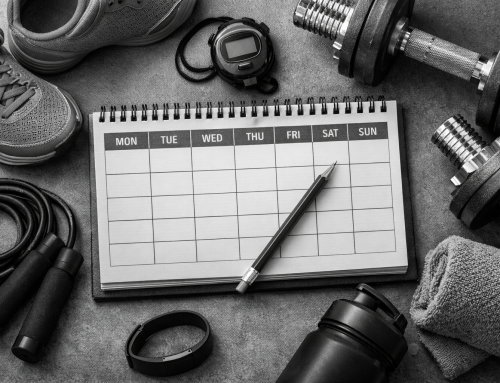
One of the best ways to make workout sessions more effective is to monitor what you are doing. Tracking helps you see patterns, measure improvement, and identify when you need to adjust your plan. You can record weights used, repetitions completed, workout duration, distance covered, or how hard a session felt.
Progress does not always mean lifting heavier every time. It may also show up as better form, improved stamina, more consistency, or shorter recovery time. When you track progress, you are more likely to stay motivated because you can see that your effort is paying off. It also helps you avoid training blindly and makes it easier to plan your next session.
Recover properly between sessions
Workout effectiveness does not end when you leave the gym. Recovery is part of the process. Your body adapts to training during rest, not during the workout itself. That means sleep, nutrition, hydration, and active recovery all play important roles in your progress.
Make sure you allow enough time between hard sessions for the same muscle groups to recover. Eating enough protein, staying hydrated, and getting quality sleep can improve performance in future workouts. If you are always sore, tired, or losing motivation, your training schedule may be too demanding. A balanced recovery plan helps you stay consistent and perform better over time.
Stay consistent and flexible
The most effective workout sessions are the ones you can repeat week after week. Consistency builds habits, and habits create results. That said, life is not always predictable, so flexibility matters too. If you miss a workout or need to shorten a session, adjust rather than quit entirely.
Some days you may have energy for a strong, full session. Other days, a lighter workout or mobility session may be the smarter choice. Listening to your body and adapting your plan helps you stay on track without becoming overwhelmed. Long-term success comes from balancing discipline with realism.
Conclusion
Effective workout sessions are built on purpose, structure, and consistency. When you warm up well, train with focus, choose the right exercises, and recover properly, you make every session more valuable. The goal is not to do more for the sake of it, but to train with intention so your effort leads to real progress. Small improvements in how you plan and perform your workouts can make a big difference over time.