Introduction
Healthy eating does not have to mean strict rules, expensive ingredients, or bland meals. In fact, the best approach is one that feels realistic, enjoyable, and easy to keep up with over time. When you build simple habits around food, you can support your energy, mood, and overall well-being without turning every meal into a project.
This guide shares practical healthy eating tips you can start using right away. Whether you are trying to improve your diet, feel more energized, or simply make better choices during busy days, these ideas can help you create a balanced routine that lasts.
Choose More Whole Foods
One of the simplest healthy eating tips is to focus on whole foods most of the time. Whole foods are foods that are closer to their natural form, such as fruits, vegetables, beans, lentils, whole grains, nuts, seeds, fish, eggs, and lean proteins. These foods tend to be richer in fiber, vitamins, minerals, and other nutrients your body needs.
A useful rule of thumb is to build your meals around ingredients that do not come from a package or are minimally processed. For example, a bowl with brown rice, grilled chicken, roasted vegetables, and avocado is usually more satisfying than a highly processed meal with little fiber or protein. The goal is not perfection; it is to make whole foods the default more often.
Balance Your Plate
Use a Simple Meal Formula
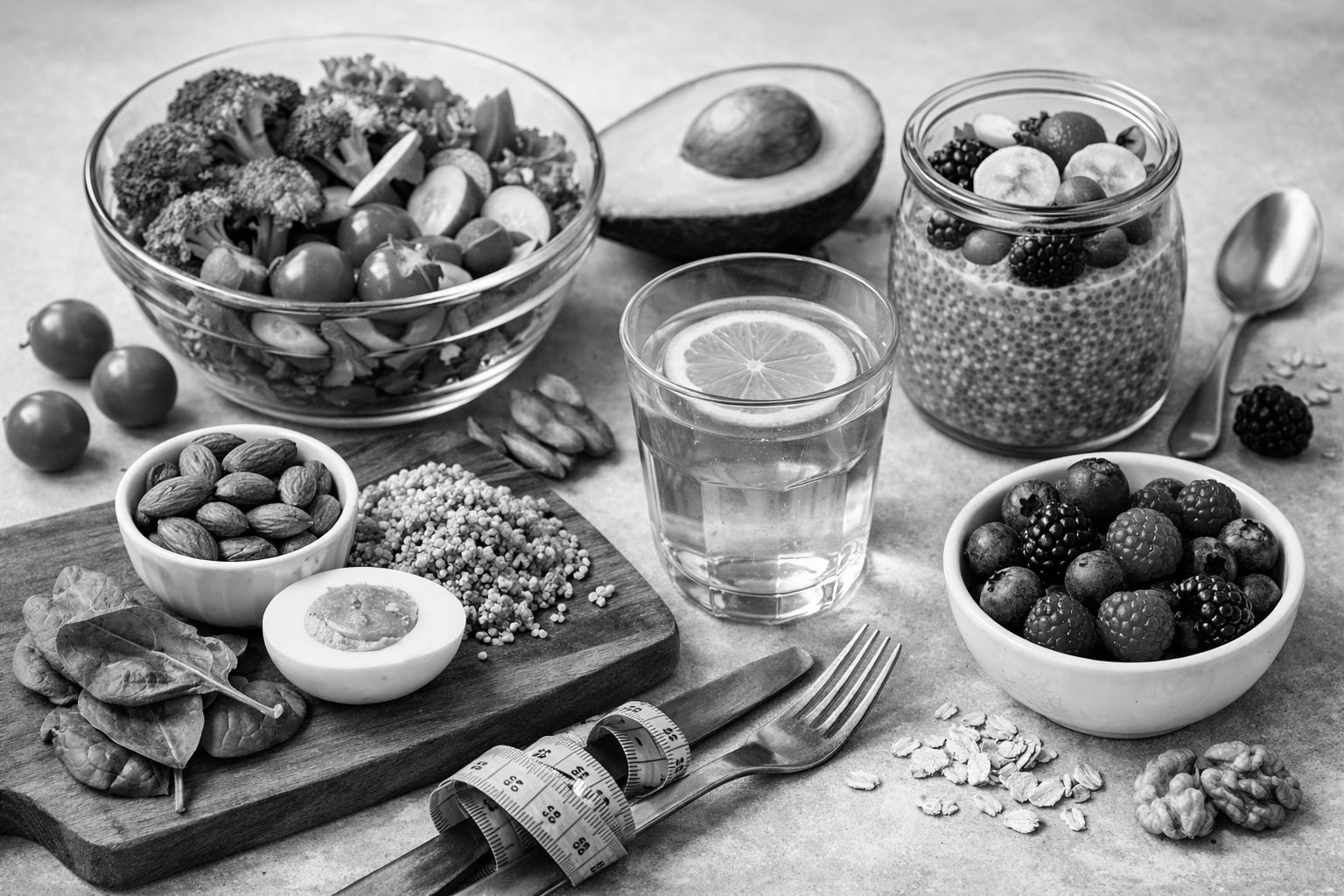
Balanced meals make healthy eating easier because they help keep you full and prevent energy crashes. A simple formula is to fill half your plate with vegetables or fruit, one quarter with protein, and one quarter with whole grains or starchy vegetables. Add a small amount of healthy fat, such as olive oil, nuts, seeds, or avocado.
This approach works for breakfast, lunch, dinner, and even snacks. For breakfast, you might have oatmeal topped with berries and nut butter. For lunch, try a salad with chicken, chickpeas, and whole-grain bread. For dinner, think salmon, roasted vegetables, and quinoa. When meals are balanced, you are less likely to overeat or feel hungry soon after.
Watch Portion Sizes Without Obsessing
Healthy eating is not only about what you eat but also how much you eat. Portion sizes can easily grow larger than needed, especially with calorie-dense foods like cheese, oils, nuts, desserts, and restaurant meals. Paying attention to portions can help you enjoy all kinds of foods while staying aligned with your goals.
You do not need to count every calorie to be mindful. Start by listening to your body’s hunger and fullness cues. Eat slowly, pause during meals, and notice when you feel satisfied rather than overly full. Using smaller plates, serving food in the kitchen instead of eating from the bag, and saving leftovers are simple ways to manage portions naturally.
Make Water Your Default Drink
Hydration plays a bigger role in healthy eating than many people realize. Sometimes thirst can feel like hunger, leading to unnecessary snacking. Water also supports digestion, energy, and concentration, making it an important part of daily wellness.
Try keeping a water bottle with you throughout the day and drinking a glass before meals. If plain water feels boring, add lemon, cucumber, mint, or berries for a little flavor. Unsweetened tea and sparkling water can also be good options. Limiting sugary drinks like soda, sweetened coffee drinks, and energy drinks can make a big difference over time.
Plan Ahead to Make Better Choices
Simple Planning Saves Time
Healthy eating becomes much easier when you plan ahead, even just a little. Many poor food choices happen when people are tired, rushed, or too hungry to think clearly. A few minutes of preparation can help you avoid last-minute takeout or convenience foods that may not support your goals.
Try choosing meals for the week, making a grocery list, and keeping a few healthy staples on hand. Items like eggs, yogurt, frozen vegetables, canned beans, oats, whole-grain wraps, and fruit can come together quickly. You can also prepare ingredients in advance, such as washing produce, cooking grains, or portioning snacks into containers.
Include Protein and Fiber in Every Meal
Protein and fiber are two nutrients that help you stay full and satisfied. Protein supports muscle maintenance and helps stabilize blood sugar, while fiber supports digestion and keeps meals more filling. Including both in your meals can reduce cravings and help you avoid energy dips.
Good protein sources include eggs, Greek yogurt, chicken, turkey, tofu, tempeh, fish, beans, lentils, and cottage cheese. Fiber-rich foods include vegetables, fruits, legumes, oats, chia seeds, flaxseeds, and whole grains. Combining these foods makes meals more nourishing and satisfying. For example, apple slices with peanut butter or hummus with vegetables are balanced snack options that offer both protein and fiber.
Limit Ultra-Processed Foods
Ultra-processed foods are often high in added sugar, refined starches, unhealthy fats, and sodium, while being low in nutrients that keep you full. These foods are not off-limits, but relying on them too often can make healthy eating harder. They are designed to be convenient and highly palatable, which can lead to overeating without much satisfaction.
Instead of trying to remove all processed foods, focus on swapping them out gradually. Choose popcorn instead of chips sometimes, plain yogurt with fruit instead of flavored desserts, or homemade sandwiches instead of packaged snacks. Small changes add up, and they can help you feel better without forcing extreme restrictions.
Allow Room for Enjoyment
A sustainable healthy eating plan includes flexibility. When foods are completely forbidden, they often become more tempting, which can lead to frustration or overeating later. Allowing yourself to enjoy treats in moderation can make healthy eating feel balanced rather than restrictive.
Think of healthy eating as the overall pattern of your diet, not a single meal or snack. If you have dessert, enjoy it without guilt. If you eat out with friends, choose what sounds good and return to your usual habits at the next meal. This flexible mindset helps create a healthier relationship with food over time.
Conclusion
Healthy eating works best when it is simple, balanced, and realistic. By choosing more whole foods, planning ahead, staying hydrated, and making room for flexibility, you can build habits that support your health without feeling overwhelmed. Start with one or two tips and practice them consistently. Small steps can lead to lasting results.