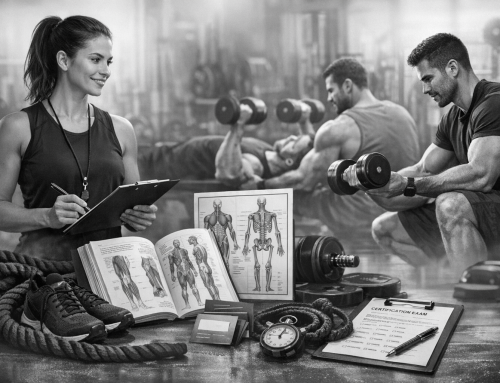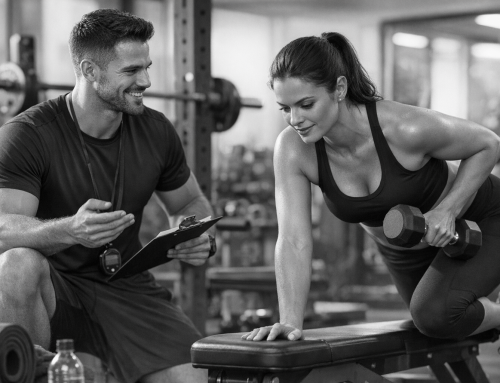

Choosing the right personal trainer can have a major impact on your results, confidence, and long-term health. While anyone can call themselves a fitness coach, qualified personal trainers bring the education, practical experience, and professional standards needed to guide clients safely and effectively. Whether you are a beginner looking to build confidence in the gym or an experienced exerciser aiming to break through a plateau, working with a properly qualified trainer can help you train smarter and stay motivated.
What Is a Qualified Personal Trainer?
A qualified personal trainer is someone who has completed recognized training in anatomy, exercise science, programming, and client safety. They understand how the body responds to exercise and can design sessions that match a person’s goals, fitness level, medical considerations, and lifestyle. A qualification also shows that the trainer has met a professional standard and knows how to work responsibly with different clients.
In practice, this means they can create balanced programs for fat loss, strength, mobility, athletic performance, or general wellness. They also know when to modify exercises, how to teach proper technique, and how to reduce the risk of injury. That combination of knowledge and judgment is what separates a qualified trainer from someone offering generic workout advice online.
Why Qualifications Matter
Fitness is not one-size-fits-all. What works well for one person may be unsafe or ineffective for another. Qualified personal trainers are trained to assess individual needs before prescribing exercise. This matters because proper coaching can improve results, prevent setbacks, and make training more enjoyable.
For example, a qualified trainer can identify movement limitations, adapt exercises for joint concerns, and progress your workouts gradually. They can also explain the purpose behind each exercise so you understand how your program fits your goals. That clarity helps you stay consistent and more confident in your training.
Without the right qualifications, a trainer may rely on trends, guesswork, or copied routines that ignore important factors such as posture, recovery, or existing injuries. Over time, that can lead to frustration, poor progress, or unnecessary strain.
Key Benefits of Working With a Qualified Personal Trainer
1. Safer Training
One of the biggest benefits of hiring a qualified trainer is safety. They understand correct form, exercise progression, and how to scale movements appropriately. This helps lower the risk of strains, overtraining, and poor technique that can lead to injury.
2. Personalized Programming
A qualified trainer does not hand out the same plan to everyone. Instead, they build a program around your goals, current fitness level, schedule, and preferences. This personalized approach makes your workouts more effective and more realistic to follow.
3. Better Motivation and Accountability
Staying consistent can be difficult when you are training alone. A trainer provides structure, encouragement, and accountability. Knowing someone is tracking your progress often makes it easier to stay committed, especially on days when motivation is low.
4. Faster Progress
When your training is planned well, you waste less time on ineffective exercises and random routines. Qualified trainers help you focus on the right movements, intensity, and recovery so you can make steady progress toward your goals.
5. Education You Can Use Long Term
A great trainer teaches you as you go. Over time, you learn how to train properly, warm up effectively, recover well, and make better choices outside the gym. That knowledge stays with you long after your sessions end.
How to Check If a Personal Trainer Is Truly Qualified
Not all certifications and experience levels are equal, so it is important to ask the right questions before hiring a trainer. Start by checking whether they hold a recognized qualification from a reputable organization. A credible trainer should be happy to explain their education, specialization, and experience.
You should also ask about first aid or CPR training, liability insurance, and whether they continue their professional development. Fitness best practices evolve, and good trainers keep learning. If possible, review testimonials or speak with current clients to understand how the trainer works in real life.
During an initial consultation, pay attention to how they communicate. A qualified trainer should ask about your goals, health history, previous exercise experience, injuries, and preferences. They should listen carefully rather than pushing a generic program. The best trainers make you feel supported, not judged.
Signs of a Great Personal Trainer Beyond Qualifications
Qualifications are essential, but they are not the only thing that matters. A strong trainer also has excellent people skills. They should be patient, encouraging, and able to explain exercises in a way you understand. They should adapt their communication style to suit your needs and make workouts feel manageable.
Look for someone who tracks progress, adjusts your plan based on results, and helps you stay realistic about what fitness success looks like. A trainer who promises extreme results in a short time may be more focused on marketing than on sustainable progress. In contrast, a good trainer will set clear expectations and help you build habits that last.
Another important quality is professionalism. Reliable trainers respect your time, maintain boundaries, and create a positive training environment. Whether you are working out in a gym, at home, or online, professionalism helps build trust and consistency.
Who Can Benefit Most From a Qualified Trainer?
Almost anyone can benefit from expert guidance, but some people may find it especially valuable. Beginners often gain the most because they need help learning proper technique, understanding equipment, and building confidence. People returning after a long break can also benefit from a gradual, structured approach.
Those with specific goals, such as weight loss, muscle gain, sports performance, or postural improvement, often progress faster with a tailored plan. Similarly, individuals managing older injuries, mobility challenges, or health conditions may need extra care and exercise modification. In these cases, a qualified personal trainer can provide support that is both effective and considerate.
Making the Most of Your Training Sessions
To get the best results, be honest about your goals, your current activity level, and any concerns you have. A qualified personal trainer can only help you effectively if they have accurate information. Set clear expectations, ask questions, and give feedback if something feels too difficult or too easy.
Consistency matters just as much as quality. Even the best program will not work if it is used only occasionally. Try to follow your trainer’s guidance between sessions, including recovery advice, nutrition basics, and movement habits. The more engaged you are, the better your results are likely to be.
Conclusion
Qualified personal trainers offer more than workout plans. They provide expertise, structure, safety, and support that can transform the way you approach fitness. By choosing someone with the right credentials and a professional, client-focused approach, you give yourself a much better chance of reaching your goals and building healthy habits that last.