
Why Finding the Right Personal Trainer Matters
A great personal trainer can do more than count reps and set up workouts. The right coach can help you build confidence, stay accountable, avoid injury, and create a plan that fits your lifestyle. Whether you want to lose weight, gain muscle, improve athletic performance, or simply feel better day to day, choosing the right trainer can make your progress faster and more sustainable.
Not every trainer is the right fit for every person. Some specialize in strength training, while others focus on rehabilitation, sports performance, weight loss, or general fitness. Taking the time to find someone aligned with your goals can save you frustration and help you get better results.
Start by Defining Your Fitness Goals
Be specific about what you want to achieve
Before you start searching, clarify what success looks like for you. Do you want to lose 20 pounds, train for a 5K, improve mobility, or build a consistent workout habit? The more specific you are, the easier it will be to find a trainer with the right background and approach.
It also helps to think about your timeline and any limitations. If you have an old injury, a busy schedule, or beginner-level experience, mention that during your search. A trainer who understands your current situation will be better able to design a realistic plan.
Decide What Type of Trainer You Need
Look for a trainer whose specialty matches your goals
Personal trainers often have different strengths. Some are ideal for beginners who need structure and encouragement. Others are more experienced with bodybuilding, endurance sports, post-rehab exercise, or weight management. If your goal is highly specific, look for someone who has proven experience in that area.
For example, someone recovering from an injury may benefit from a trainer with corrective exercise knowledge, while a new parent may want someone who offers flexible scheduling and efficient workouts. Matching the trainer’s specialty to your needs can make your sessions more effective.
Check Credentials and Experience
Look beyond the sales pitch
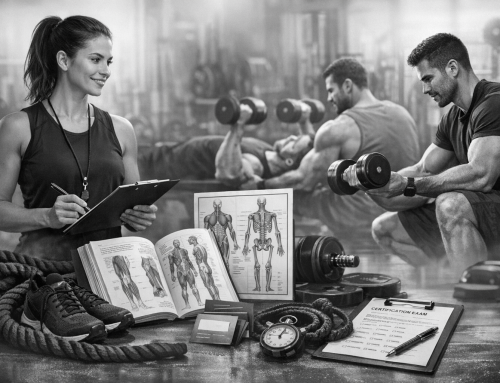
Certification matters. A qualified personal trainer should hold a recognized certification from a reputable organization. This shows they have a foundation in exercise science, safety, and program design. If your needs are more advanced, additional certifications or education can be a strong advantage.
Experience is just as important. Ask how long they have been training clients and what types of people they work with most often. A trainer may have all the right credentials but still not be the right fit if they lack experience with clients like you. A strong track record can give you more confidence in their ability to help.
Pay Attention to Personality and Communication Style
The right fit should feel motivating, not overwhelming
Training is personal, so chemistry matters. Some people thrive with a firm, high-energy coach, while others do better with a calm, supportive approach. Think about how you like to be coached and what style will keep you consistent.
Communication is equally important. A good trainer should listen carefully, explain things clearly, and adjust based on your feedback. If they seem dismissive, overly pushy, or uninterested in your concerns during the first conversation, that may be a sign to keep looking.
Ask the Right Questions Before You Commit
Use your first conversation to compare options
Before hiring a trainer, ask questions that help you understand their method and professionalism. Useful questions include:
- What certifications do you hold?
- What types of clients do you work with most often?
- How do you create workout plans?
- How do you track progress?
- Do you offer nutritional guidance?
- What happens if I need to reschedule?
These questions can reveal whether the trainer is organized, knowledgeable, and flexible. They also help you understand whether their process matches your expectations.
Read Reviews and Ask for Recommendations
Learn from other people’s experiences
Online reviews can offer helpful insight into a trainer’s reliability, professionalism, and results. Look for patterns in the feedback rather than focusing on one glowing or negative review. Consistent comments about punctuality, communication, or positive client outcomes are usually more meaningful.
Personal recommendations can also be valuable. Ask friends, coworkers, gym staff, or healthcare professionals if they know a trainer they trust. A recommendation from someone with similar goals can narrow your search and make the decision easier.
Understand Pricing and Scheduling
Make sure the arrangement works for your budget and routine
Personal training is an investment, so it is important to understand the cost upfront. Rates can vary widely depending on location, experience, session length, and whether training is in person or online. Ask what is included in the price and whether package deals, small-group sessions, or virtual options are available.
Scheduling matters too. Even the best trainer will not be useful if their availability does not fit your life. Choose someone whose session times are realistic for your routine so you can stay consistent over the long term.
Try a Trial Session if Possible
Test the experience before making a long-term commitment
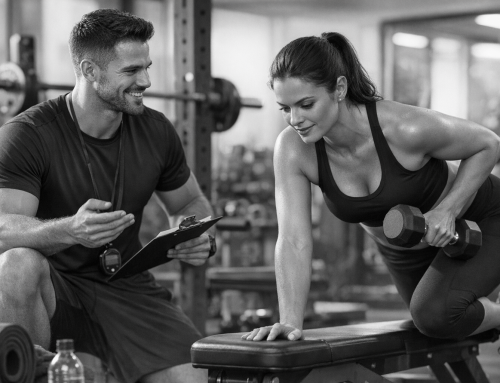
If a trainer offers a consultation or trial session, take advantage of it. This is one of the best ways to see how they coach, how they adjust exercises, and how comfortable you feel working with them. A single session can tell you a lot about whether the relationship will be productive.
During the trial, notice whether they take time to assess your movement, ask about your goals, and explain exercises clearly. You should leave the session feeling challenged but not ignored or confused. That balance is usually a good sign.
Trust Your Gut
Choose someone you feel confident working with
Even if a trainer looks perfect on paper, your instincts matter. You are more likely to stay committed when you trust the person guiding you. If something feels off, whether it is their attitude, approach, or communication, it is okay to keep searching.
The best personal trainer is not just qualified. They are someone who understands your goals, respects your needs, and helps you stay motivated over time.
Conclusion
Finding a personal trainer takes a little research, but the payoff can be huge. When you choose someone with the right credentials, experience, personality, and approach, you set yourself up for long-term success. Focus on your goals, ask smart questions, and pick a trainer who makes you feel supported and challenged in the right way.