Why Working Out at Home Works
Working out at home has become one of the most convenient and effective ways to stay active. You do not need a fancy gym membership, a long commute, or a full room of equipment to build strength, improve endurance, and boost your mood. With a little planning, a home routine can fit into almost any schedule and help you stay consistent over the long term.
For many people, the biggest advantage is flexibility. You can exercise early in the morning, during a lunch break, or after the kids go to bed. Home workouts also remove common barriers such as crowded gyms, travel time, and self-consciousness. That makes it easier to show up regularly, which is the real key to progress.
Benefits of a Home Workout Routine
A consistent workout at home routine offers more than convenience. It can support weight management, improve heart health, reduce stress, and increase energy levels throughout the day. Because you control the environment, you can tailor your sessions to your goals and comfort level.
Another major benefit is cost. You can get a great workout with no equipment at all, or gradually add a few simple tools like resistance bands, dumbbells, or a yoga mat. Compared with a gym membership and commuting costs, home training is often much more budget-friendly.
Home workouts are also easier to personalize. Whether you prefer yoga, strength training, low-impact cardio, or high-intensity intervals, you can design a routine that suits your body and your schedule.
How to Set Up Your Home Workout Space
You do not need a dedicated home gym to get started. Even a small corner of a bedroom, living room, or garage can work well. The most important thing is creating a space that feels safe, clear, and easy to use.
Choose a simple, open area
Select a spot with enough room to stretch your arms, squat, lunge, and lie down comfortably. Move furniture if needed and remove anything that could cause a trip or fall.
Keep your basics nearby
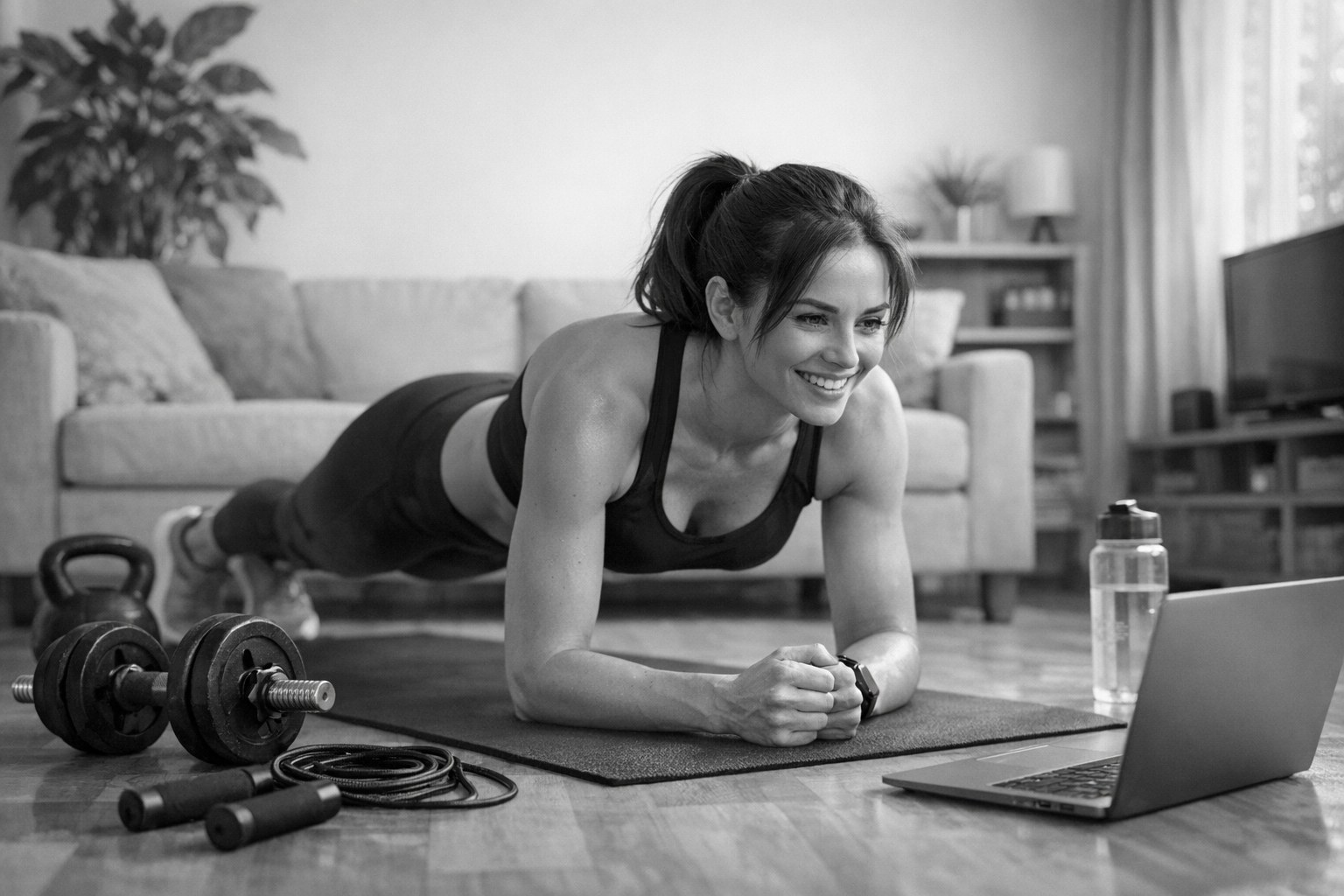
A few essentials can make workouts smoother: a water bottle, towel, mat, and any equipment you use regularly. If you like structure, keep a timer or fitness app ready to help you stay on track.
Make it inviting
Good lighting, fresh air, and a tidy space can make exercise feel more enjoyable. You are more likely to follow through when your workout area feels ready for use.
Best Exercises for a Workout at Home
The best home workout exercises are simple, effective, and scalable. You can combine bodyweight movements with a few basic pieces of equipment for a full-body session.
Bodyweight strength moves
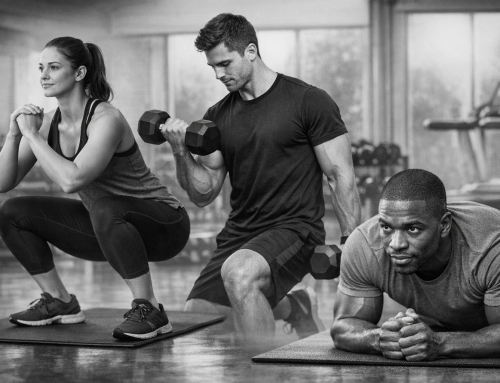
Bodyweight exercises are ideal because they require no equipment and can be modified for beginners or advanced exercisers. Great options include squats, push-ups, lunges, glute bridges, planks, and mountain climbers. These moves build strength, stability, and coordination.
Cardio at home
If your goal is to raise your heart rate, try jumping jacks, high knees, shadow boxing, step-ups, or dance-based cardio. Even a brisk walk in place or a quick stair climb can be effective. Cardio helps improve stamina and supports overall heart health.
Flexibility and recovery
Stretching and mobility work are important parts of any routine. Yoga flows, hamstring stretches, hip openers, and shoulder mobility drills can improve movement and reduce stiffness. Recovery sessions are especially useful if you sit for long periods or do intense workouts often.
How to Build a Simple Weekly Plan
A good workout plan does not need to be complicated. In fact, the simpler it is, the easier it becomes to maintain. A balanced week might include strength, cardio, mobility, and rest days.
For example, you could do strength training on Monday, Wednesday, and Friday; cardio on Tuesday and Saturday; and mobility or stretching on Thursday and Sunday. If that feels like too much, start with just three sessions per week and build from there.
The goal is consistency, not perfection. Even 20 to 30 minutes a day can make a meaningful difference when you stick with it.
Tips to Stay Motivated at Home
Staying motivated can be harder at home because distractions are everywhere. That is why it helps to create habits that make exercise automatic.
Set a specific time
Choose a regular time for your workouts and treat it like an appointment. When exercise has a place in your schedule, it becomes easier to follow through.
Start small
If you are just getting started, keep your sessions short and manageable. A 10-minute workout is better than skipping the day entirely. Small wins build confidence and momentum.
Track your progress
Write down your workouts, reps, or how you feel after each session. Progress tracking helps you see improvement over time, which can be a strong motivator to keep going.
Use variety
Changing your routine occasionally can keep things fresh. Rotate exercises, try new workout videos, or mix strength with mobility work so your routine does not feel repetitive.
Common Mistakes to Avoid
One of the most common mistakes is trying to do too much too soon. Starting with overly intense workouts can lead to soreness, burnout, or injury. Begin at a level that feels challenging but sustainable.
Another mistake is poor form. It is better to perform fewer reps with good technique than to rush through exercises incorrectly. If possible, use mirrors or instructional videos to check your alignment.
It is also important not to ignore recovery. Rest days, sleep, hydration, and proper nutrition all support your workout results. Fitness progress happens between sessions as much as during them.
Conclusion
A workout at home can be simple, affordable, and highly effective. With a little space, a basic plan, and consistent effort, you can improve your strength, fitness, and energy without ever stepping into a gym. Start small, stay patient, and focus on building a routine you can actually keep.