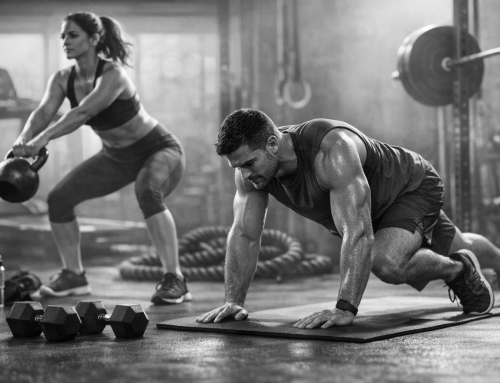

What Is Strength Training?
Strength training is a type of exercise that helps your muscles produce more force. In simple terms, it makes you stronger. It includes any workout that challenges your muscles against resistance, such as free weights, machines, resistance bands, or even your own body weight.
Many people think strength training is only for athletes or bodybuilders, but it is valuable for almost everyone. Whether your goal is to improve fitness, protect your joints, support healthy aging, or simply feel better in daily life, strength training can play an important role.
Why Strength Training Matters
One of the biggest benefits of strength training is that it builds and preserves muscle mass. Muscle naturally declines with age, especially if you are inactive, but resistance exercise can slow that process down. More muscle also supports better metabolism, balance, and everyday function.
Strength training is also excellent for bone health. When your muscles pull against your bones during exercise, they create stress that helps stimulate bone growth and maintain density. This can be especially helpful in reducing the risk of osteoporosis later in life.
Beyond the physical benefits, strength training can improve confidence and mental well-being. Many people feel a sense of accomplishment when they lift more weight, complete more repetitions, or master a new movement. Over time, those small wins can build a stronger mindset as well as a stronger body.
Types of Strength Training
There is no single way to strength train. The best method depends on your goals, experience level, and access to equipment.
Bodyweight Training
Bodyweight exercises use your own body as resistance. Examples include push-ups, squats, lunges, planks, and pull-ups. This style is convenient because it requires little to no equipment and can be done almost anywhere.
Free Weights
Dumbbells, barbells, kettlebells, and weight plates fall into this category. Free weights are highly effective because they allow a natural range of motion and challenge stabilizing muscles as well as the primary muscles being worked.
Resistance Machines
Gym machines guide your movement and can be helpful for beginners or for isolating specific muscle groups. They often feel more controlled than free weights, which can make them a useful option while learning proper form.
Resistance Bands
Bands provide variable resistance and are lightweight, portable, and affordable. They are especially useful for warm-ups, rehab-style exercises, and home workouts.
How to Start Strength Training
If you are new to strength training, start simple. The goal is not to do everything at once but to build a consistent habit and learn good technique. Begin with two or three sessions per week, focusing on major movement patterns such as squatting, hinging, pushing, pulling, and carrying.
Choose exercises that feel manageable and allow you to maintain proper form. For example, you might start with bodyweight squats, incline push-ups, dumbbell rows, glute bridges, and planks. As you get stronger, gradually increase the challenge by adding weight, reps, sets, or complexity.
A good beginner workout does not need to be long or complicated. Even 20 to 30 minutes of focused training can be effective if you are consistent and intentional.
Key Principles for Better Results
To make steady progress, it helps to understand a few basic principles of strength training.
Progressive Overload
Progressive overload means gradually increasing the demands placed on your muscles. That could mean lifting heavier weights, performing more repetitions, increasing sets, or reducing rest time. Without progressive overload, your body has less reason to adapt and get stronger.
Good Form
Technique matters. Proper form helps you target the right muscles and reduce the risk of injury. If needed, slow down the movement, use lighter weights, and practice in front of a mirror or with guidance from a qualified coach.
Recovery
Muscles grow and adapt when you recover, not just while you train. Sleep, hydration, nutrition, and rest days all support recovery. If you constantly push hard without enough rest, progress can stall and fatigue can build up.
Consistency
One hard workout will not transform your body, but repeated effort over time will. Consistency is often the biggest factor in long-term success. A realistic routine you can maintain is far more effective than an intense plan you abandon after two weeks.
Common Mistakes to Avoid
Many beginners make the same mistakes, and avoiding them can make your training safer and more productive.
One common error is doing too much too soon. It is tempting to train hard every day, but your body needs time to adapt. Starting with too much volume or weight can lead to soreness, burnout, or injury.
Another mistake is focusing only on the muscles you can see in the mirror. A balanced program should train the entire body, including the back, hamstrings, glutes, and core. This helps create better posture, movement, and overall strength.
It is also easy to ignore warm-ups and mobility work. A few minutes of light movement before lifting can improve performance and reduce stiffness. Likewise, cooling down and stretching after a workout can help you feel better afterward.
How Strength Training Supports Everyday Life
Strength training is not just about the gym. The benefits show up in daily life in practical ways. Carrying groceries, climbing stairs, lifting children, moving furniture, and maintaining balance all become easier when your muscles are stronger.
For older adults, strength training can be especially valuable because it supports independence. Better muscle function, stronger bones, and improved balance can help reduce the risk of falls and make everyday tasks more manageable.
Even for younger adults, strength training can improve posture, athletic performance, and energy levels. It is a foundation for both fitness and long-term health.
Simple Tips to Stay Motivated
Staying motivated is often easier when you make strength training convenient and measurable. Set clear goals, such as doing three workouts per week or increasing your squat weight by a small amount each month. Tracking progress in a notebook or app can make improvements easier to see.
It also helps to keep workouts enjoyable. Choose exercises you like, listen to music, train with a friend, or vary your routine every few weeks. When the process feels manageable and rewarding, you are more likely to stick with it.
Conclusion
Strength training is one of the most effective ways to improve health, build resilience, and feel more capable in everyday life. You do not need a perfect routine to get started. By focusing on consistency, good form, and gradual progress, you can build strength safely and sustainably over time.