What Is a Bulking Diet?
A bulking diet is a structured eating plan designed to help you gain weight, ideally in the form of muscle. It usually involves eating more calories than you burn while keeping protein intake high and training consistently with resistance exercise. The goal is not just to eat more, but to eat enough of the right foods to support muscle growth and recovery.
Bulking can be a smart phase for athletes, bodybuilders, and anyone who wants to add size and strength. However, the quality of the diet matters just as much as the calorie surplus. A well-planned bulking diet helps you gain muscle with less unwanted fat gain.
How a Bulking Diet Works
To build muscle, your body needs energy and nutrients. When you eat in a calorie surplus, your body has extra fuel to support muscle repair and growth after hard training sessions. If the surplus is too small, progress may be slow. If it is too large, you may gain more body fat than muscle.
The sweet spot is usually a moderate surplus. This gives your body enough energy to grow without overdoing it. Combine this with progressive strength training, good sleep, and consistent protein intake, and you create the ideal environment for muscle gain.
Calories Matter First
Your first priority in a bulking diet is total calorie intake. If you are not gaining weight over time, you are likely not eating enough. Most people start with a surplus of around 250 to 500 calories per day and adjust based on results. A slow and steady approach often leads to leaner gains.
Protein Supports Muscle Growth
Protein provides the amino acids your body uses to repair and build muscle tissue. A common recommendation is to aim for roughly 0.7 to 1 gram of protein per pound of body weight each day. Good protein sources include chicken, turkey, eggs, Greek yogurt, lean beef, fish, tofu, tempeh, beans, and protein shakes.
Carbs Fuel Your Workouts
Carbohydrates are essential during a bulking phase because they help power intense training and restore muscle glycogen. Foods like rice, oats, potatoes, pasta, fruit, and whole-grain bread can make it easier to eat enough calories and support performance in the gym.
Healthy Fats Support Hormones
Dietary fat is important for hormone production, joint health, and overall energy intake. Include sources such as avocados, nuts, seeds, olive oil, fatty fish, and nut butters. Fat is calorie-dense, so it can also help you increase calories without feeling overly full.
Best Foods for a Bulking Diet
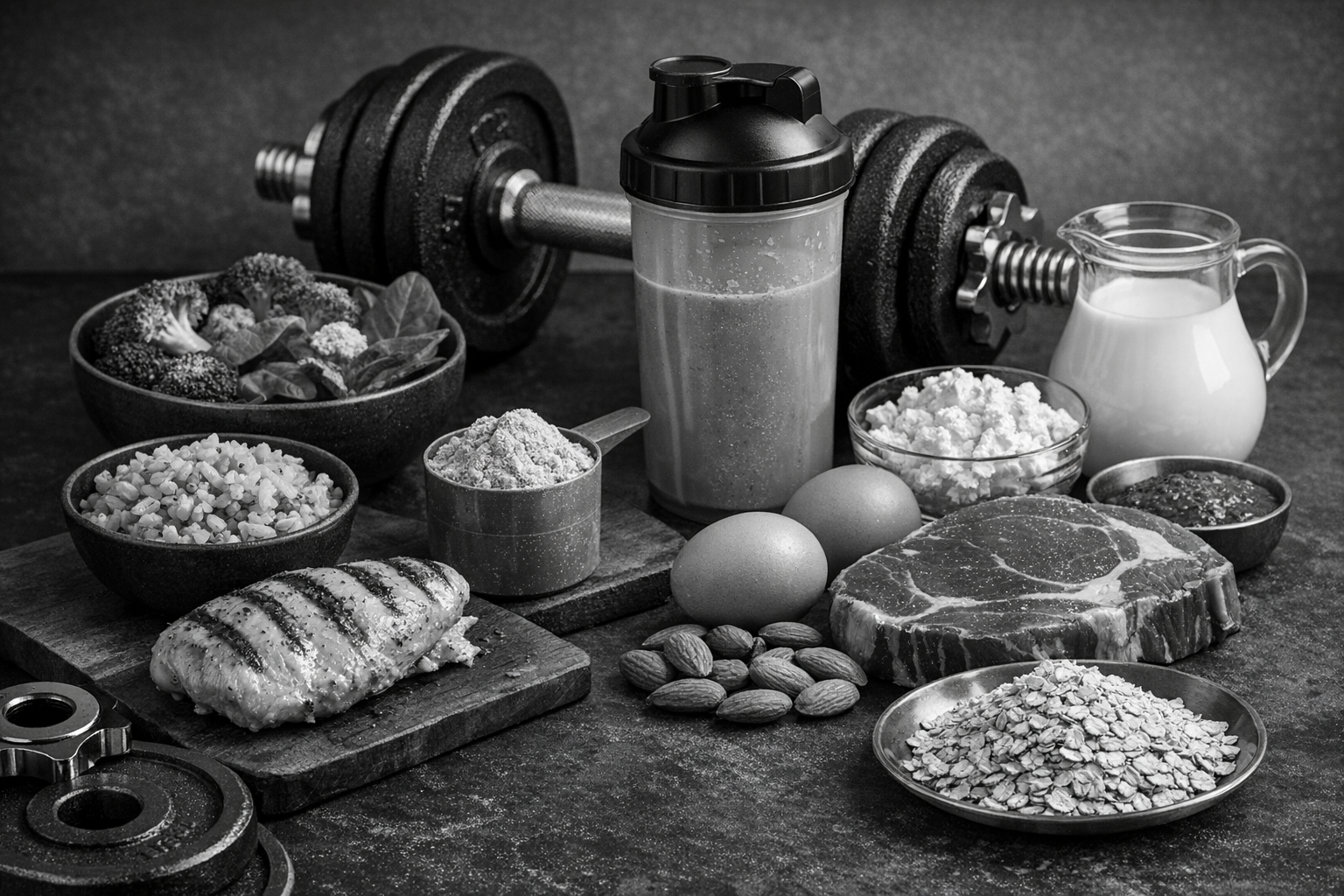
The best bulking foods are nutrient-dense, easy to digest, and flexible enough to fit into daily meals. Lean proteins, complex carbs, and healthy fats should form the base of your diet. You can also use higher-calorie snacks and shakes to make it easier to reach your calorie target.
- Proteins: chicken breast, eggs, salmon, ground turkey, Greek yogurt, cottage cheese, tofu
- Carbs: rice, oats, potatoes, quinoa, pasta, bananas, berries, whole-grain cereal
- Fats: peanut butter, almonds, walnuts, avocado, olive oil, chia seeds
- Extras: smoothies, trail mix, granola, bagels, dried fruit
Liquid calories can be especially helpful if you struggle with appetite. A smoothie made with milk, oats, banana, protein powder, and peanut butter can add hundreds of calories without making you feel too full.
How to Structure Your Bulking Meals
Meal structure is important because bulking works best when calories are spread across the day. Instead of trying to eat one huge meal, aim for three to six meals and snacks that are balanced and practical.
Build Each Meal Around Protein
Start each meal with a solid protein source, then add carbohydrates and fats depending on your calorie goals. For example, a meal might include grilled chicken, rice, vegetables, and olive oil. Another option could be eggs, toast, avocado, and fruit.
Include Snacks to Boost Calories
If you have a fast metabolism or a small appetite, snacks can make a big difference. Easy bulking snacks include yogurt with granola, peanut butter toast, protein bars, mixed nuts, and cheese with crackers. These smaller meals help you stay in a surplus without feeling overloaded.
Time Meals Around Training
Eating a meal with carbs and protein before and after your workout can improve performance and recovery. A pre-workout meal might include oats and whey protein, while a post-workout meal could be rice and chicken or a protein shake with fruit.
Common Bulking Mistakes to Avoid
One of the biggest mistakes is treating bulking as an excuse to eat anything and everything. While some increase in body fat is normal, excessive junk food can lead to poor energy, digestive issues, and too much fat gain. A bulking diet should still be built around mostly whole, minimally processed foods.
Another common mistake is not tracking progress. Weigh yourself regularly and monitor strength in the gym. If your weight is not increasing after two weeks, raise your calories slightly. If you are gaining too quickly, reduce calories a bit to keep the bulk leaner.
It is also easy to ignore recovery. Muscle growth does not happen in the gym alone. Sleep, hydration, and rest days are essential for turning your diet and training into real results.
Sample Bulking Day of Eating
Here is a simple example of a bulking day:
- Breakfast: oatmeal with milk, banana, peanut butter, and eggs
- Snack: Greek yogurt with granola and berries
- Lunch: chicken breast, rice, vegetables, and olive oil
- Pre-workout: bagel with turkey and fruit
- Post-workout: protein shake with oats and milk
- Dinner: salmon, potatoes, and a side salad
- Evening snack: cottage cheese with nuts or nut butter toast
This kind of structure makes it easier to hit your calorie and protein goals while keeping meals satisfying and balanced.
Conclusion
A successful bulking diet is about more than just eating more food. It requires a smart calorie surplus, enough protein, quality carbs and fats, and consistent training. If you focus on steady progress, nutrient-dense meals, and good recovery habits, you can gain muscle while keeping fat gain under control.