
Introduction
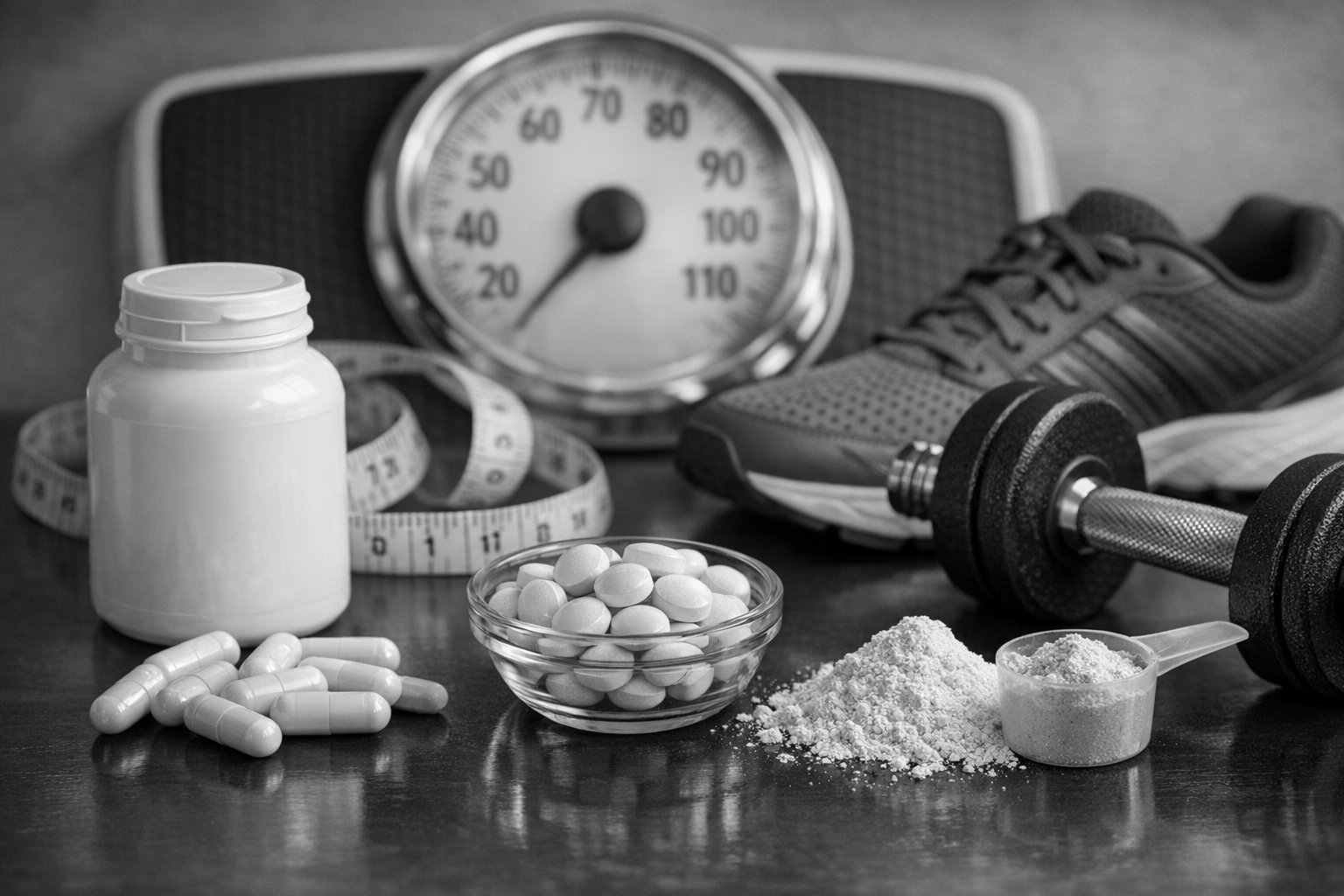
Weight loss supplements are everywhere: on store shelves, in social media ads, and in “before and after” success stories. The promise is appealing—take a pill, burn fat faster, and reach your goals with less effort. But the reality is more complicated. Some supplements may provide a small boost when paired with a healthy diet and regular exercise, while others are ineffective or even risky.
If you’re considering a weight loss supplement, it helps to understand what they can and can’t do. In this post, we’ll break down the most common types, the science behind them, the possible side effects, and how to choose a product safely. The goal is not to chase quick fixes, but to make informed decisions that support long-term health.
What Are Weight Loss Supplements?
Weight loss supplements are products marketed to help people lose weight, reduce body fat, suppress appetite, boost metabolism, or block the absorption of calories. They come in many forms, including capsules, powders, teas, gummies, and drink mixes.
Some ingredients are derived from plants or natural sources, while others are synthetic compounds. Common claims include increasing fat burning, reducing cravings, improving energy, or helping the body use stored fat more efficiently. However, “natural” does not automatically mean safe or effective, and many supplements are not tested as rigorously as prescription medications.
How Weight Loss Supplements Claim to Work
Most weight loss supplements fall into one or more of these categories:
Appetite Suppressants
These ingredients are intended to reduce hunger or make you feel full sooner. They may work by affecting hormones, slowing digestion, or influencing the brain’s hunger signals. Examples often include fiber-based ingredients, protein powders, or certain herbal extracts.
Metabolism Boosters
Some supplements claim to increase the number of calories your body burns at rest. Caffeine is the most common example, and it may slightly increase energy expenditure and exercise performance. The effect is usually modest, not dramatic.
Fat Blockers or Carb Blockers
These products aim to reduce the amount of fat or carbohydrate your body absorbs from food. While this sounds appealing, the actual results are often limited, and digestive side effects are common.
Water Loss Products
Some supplements cause temporary weight loss by increasing fluid excretion. This may make the scale drop quickly, but it is not true fat loss and can be unsafe if overused.
Popular Ingredients: What the Evidence Says
Not all supplements are created equal. Here are some common ingredients and a realistic look at the evidence behind them.
Caffeine
Caffeine may help improve alertness, exercise performance, and calorie burn in the short term. It is one of the few ingredients with some evidence behind it, but tolerance can develop quickly. Too much caffeine can cause jitters, insomnia, rapid heart rate, and anxiety.
Green Tea Extract
Green tea extract contains compounds called catechins, which may slightly support fat oxidation. The effect is generally small and works best alongside exercise and healthy eating. High doses can irritate the stomach and, in rare cases, affect the liver.
Fiber Supplements
Fiber supplements such as glucomannan or psyllium may help you feel fuller and reduce overall calorie intake. They can be useful for appetite control, especially if your diet is low in fiber. To be effective, they must be taken with plenty of water.
Protein Supplements
Protein powders and shakes are not magic fat burners, but they can support weight loss by helping with fullness and preserving muscle during calorie reduction. They are most useful when they replace a less nutritious snack or meal.
Herbal “Fat Burners”
Many herbal blends claim to melt fat, but the evidence is often weak. Some products contain hidden stimulants or unlisted ingredients, which can increase health risks. Be especially cautious with products promising rapid results.
Potential Benefits of Weight Loss Supplements
When used carefully, certain supplements may offer a few benefits. They can help some people manage appetite, support exercise, or stay consistent with a structured weight loss plan. For example, protein and fiber supplements may make it easier to stick to a calorie deficit, while caffeine may improve workout performance.
That said, supplements usually play a supporting role rather than a leading one. They are not a substitute for balanced meals, portion awareness, physical activity, sleep, and stress management. The most successful weight loss approaches still depend on sustainable habits.
Risks and Side Effects to Watch For
Weight loss supplements can cause side effects, especially when taken in high doses or combined with other stimulants. Common concerns include nausea, digestive upset, headaches, increased blood pressure, rapid heartbeat, anxiety, and sleep problems.
Some products may interact with medications for diabetes, blood pressure, thyroid conditions, depression, or heart disease. Others may be unsafe for pregnant or breastfeeding individuals, teenagers, or people with certain medical conditions. Because supplement labels are not always accurate, there is also a risk of contamination or hidden ingredients.
If a product promises extreme results, guarantees fast fat loss, or claims to work without diet or exercise, that is a red flag. Safe, effective weight loss is usually gradual, and anything that sounds too good to be true probably is.
How to Choose a Safe Weight Loss Supplement
If you decide to try a supplement, choose carefully. Look for products from reputable brands with transparent ingredient lists and realistic claims. Third-party testing from organizations such as USP, NSF, or ConsumerLab can add another layer of trust, though it does not guarantee effectiveness.
Read the label closely and avoid products with proprietary blends that hide exact ingredient amounts. Start with the lowest effective dose, and avoid stacking multiple supplements that contain the same active ingredients, especially stimulants like caffeine.
It is also wise to talk with a healthcare professional before starting any weight loss supplement, particularly if you have a health condition or take prescription medication. A quick conversation can help you avoid harmful interactions and wasted money.
Better Alternatives for Lasting Weight Loss
The most effective weight loss strategies are often the simplest. Focus on nutrient-dense foods, adequate protein, more fiber, regular movement, and enough sleep. Strength training and walking can be especially helpful for supporting metabolism and overall health.
If appetite is a challenge, start with practical changes such as eating more vegetables, drinking water before meals, and keeping high-calorie snacks out of easy reach. If cravings, stress, or emotional eating are major obstacles, addressing those patterns may matter more than any supplement.
For people with obesity or weight-related medical concerns, prescription medications or medically supervised programs may be more appropriate than over-the-counter supplements. These options should always be discussed with a qualified clinician.
Conclusion
Weight loss supplements may offer a small advantage in certain situations, but they are not a shortcut to lasting fat loss. The best results come from consistent habits, realistic expectations, and products that are chosen with care. If you use supplements at all, treat them as a support tool—not the foundation of your plan.
Before buying anything, ask whether it is truly necessary, whether it is safe for you, and whether it fits your long-term goals. A steady, balanced approach will almost always beat a quick fix.