Foods to Avoid for Weight Loss
When you’re trying to lose weight, what you eat matters just as much as how much you eat. Certain foods can make it harder to stay in a calorie deficit, leave you feeling hungry sooner, and trigger cravings that derail progress. The good news is that you do not need to follow an extreme or restrictive diet. Instead, focus on limiting the foods that are easiest to overeat and least satisfying.
Below are the main foods to avoid for weight loss, along with why they can slow your progress and what to choose instead.
1. Sugary Drinks
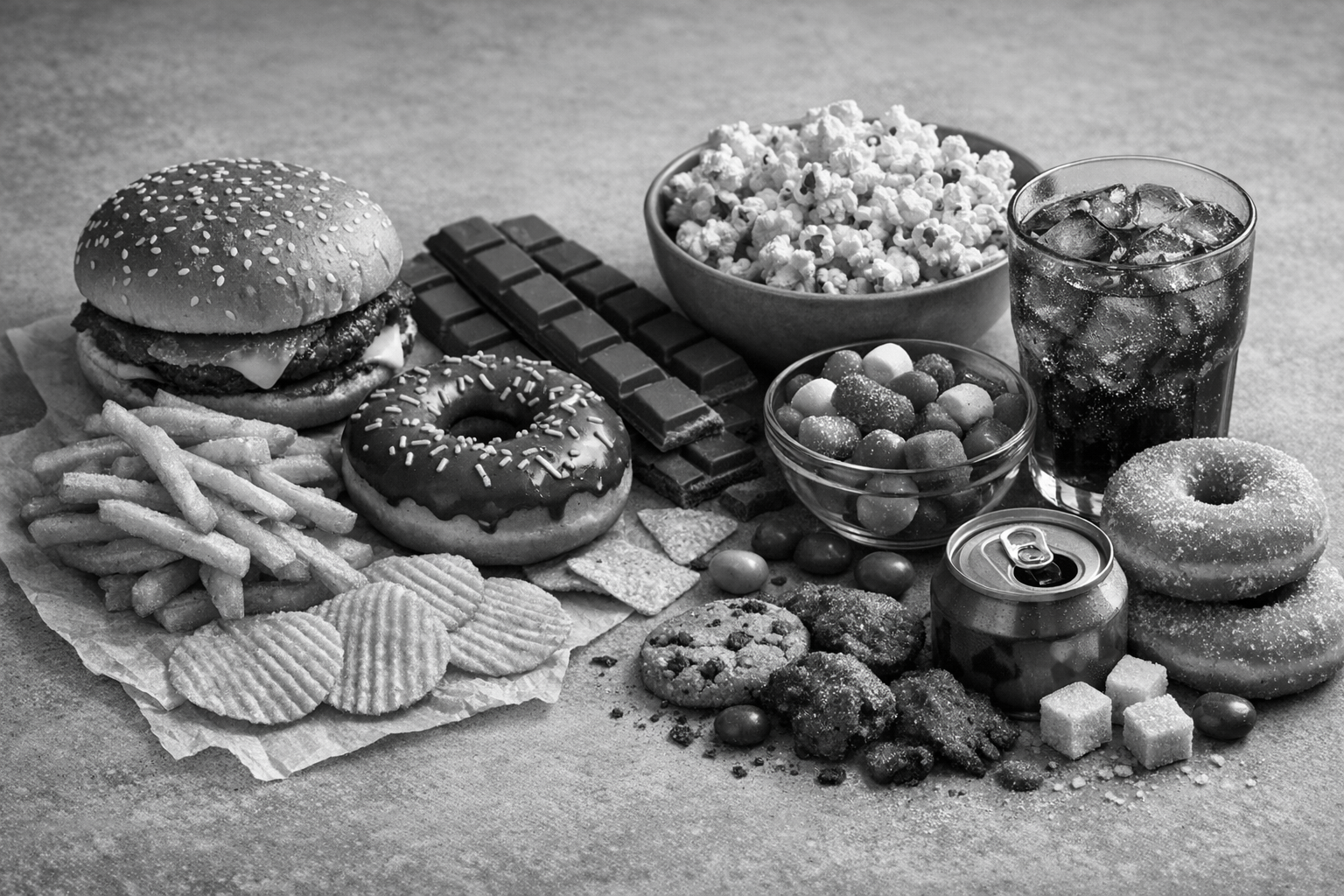
Soda, sweetened coffee drinks, energy drinks, and bottled teas can add a lot of calories without making you feel full. Liquid calories are especially tricky because your body does not register them the same way it does solid food. That means you can drink 200 or 300 calories and still feel hungry shortly after.
If weight loss is your goal, limit sugary drinks as much as possible. Choose water, sparkling water, unsweetened tea, or black coffee instead. If you need flavor, try adding lemon, cucumber, mint, or a small amount of fruit.
2. Fried Foods
French fries, fried chicken, onion rings, and similar foods are often high in calories because they absorb a lot of oil during cooking. They also tend to be easy to eat in large portions, which makes it simple to consume far more calories than you realize.
Fried foods are not only calorie-dense, but they also tend to be less filling than foods with more protein, fiber, or water content. For better weight loss results, choose baked, grilled, air-fried, or roasted versions when possible.
3. Processed Snack Foods
Chips, crackers, cheese puffs, and many packaged snack foods are designed to be highly palatable. They usually combine refined carbs, salt, and fat in a way that makes it easy to keep eating long after you are full.
These foods can also spike cravings, especially when you eat them on an empty stomach. A smarter option is to choose snacks that offer protein or fiber, such as Greek yogurt, fruit, nuts in controlled portions, hummus with vegetables, or boiled eggs.
4. Pastries and Baked Sweets
Donuts, muffins, cakes, cookies, and brownies may seem harmless in small amounts, but they often pack a large number of calories, added sugar, and refined flour into a small serving. Because they are low in fiber and protein, they do not keep you satisfied for long.
If you regularly eat pastries for breakfast or as a snack, it may be one of the biggest obstacles to weight loss. Try swapping in oatmeal, fruit with nut butter, eggs, or a higher-protein breakfast that keeps you full until your next meal.
5. Fast Food Meals
Many fast food meals are high in calories, sodium, and unhealthy fats. Even meals that seem reasonable can quickly become calorie bombs once you add fries, dessert, or a sugary drink. Large portion sizes make it easy to underestimate how much you’re eating.
Fast food is convenient, so the goal is not necessarily to eliminate it forever. Instead, reduce how often you eat it and make better choices when you do. Look for grilled proteins, side salads, smaller portions, and water instead of soda.
6. Alcohol
Alcohol can slow weight loss in several ways. First, it adds calories with little nutritional value. Second, it can lower inhibitions, making it easier to overeat or choose less healthy foods. Third, it may interfere with sleep, and poor sleep can increase hunger and cravings the next day.
Beer, cocktails, and sweet mixed drinks are especially calorie-heavy. If you want to lose weight, keep alcohol intake moderate or limit it during the week. If you do drink, choose lower-calorie options and avoid pairing alcohol with heavy snacks.
7. Refined Carbohydrates
White bread, white pasta, many boxed cereals, and other refined carbohydrates are digested quickly and often leave you hungry again soon after eating. On their own, they are not “bad,” but they can make weight loss harder when they replace more filling options.
Instead of eliminating carbs entirely, choose whole-food sources that are higher in fiber, such as oats, brown rice, quinoa, beans, lentils, and whole-grain bread. These foods are usually more satisfying and easier to fit into a balanced weight-loss plan.
8. High-Calorie “Healthy” Foods in Large Portions
Some foods are nutritious but still easy to overeat. Nuts, nut butters, granola, avocado, dried fruit, and trail mix can all be part of a healthy diet, but portion size matters a lot. A small handful can turn into several hundred calories before you know it.
This does not mean you should avoid these foods completely. It means you should measure portions, combine them with more filling foods, and pay attention to how much you’re adding to meals and snacks. A little goes a long way.
9. Sugary Breakfast Foods
Many popular breakfast foods are loaded with added sugar and refined grains, including flavored yogurts, breakfast bars, sweet cereals, and toaster pastries. These foods may be convenient, but they often lead to a blood sugar crash and renewed hunger within a few hours.
A better breakfast for weight loss usually includes protein, fiber, and healthy fats. Think eggs with vegetables, plain Greek yogurt with berries, or oatmeal topped with seeds and fruit.
10. Foods You Eat Mindlessly
One of the biggest problems for weight loss is not a specific food, but a habit. Eating while distracted, snacking straight from the bag, or grazing throughout the day can make it hard to track how much you’re actually consuming. Even healthy foods can become an issue when portions go unchecked.
To reduce mindless eating, sit down for meals, use smaller plates, portion snacks in advance, and avoid eating in front of the TV or computer when possible. Awareness is often the difference between steady progress and stalled results.
Conclusion
The best foods to avoid for weight loss are the ones that are high in calories, low in fullness, and easy to overeat. You do not need to ban every treat or follow a perfect diet. Instead, focus on limiting sugary drinks, fried foods, processed snacks, pastries, fast food, alcohol, and other calorie-dense choices that do not support your goals.
By making a few smart swaps and paying attention to portions, you can create a more satisfying eating pattern that makes weight loss feel more manageable and sustainable.