
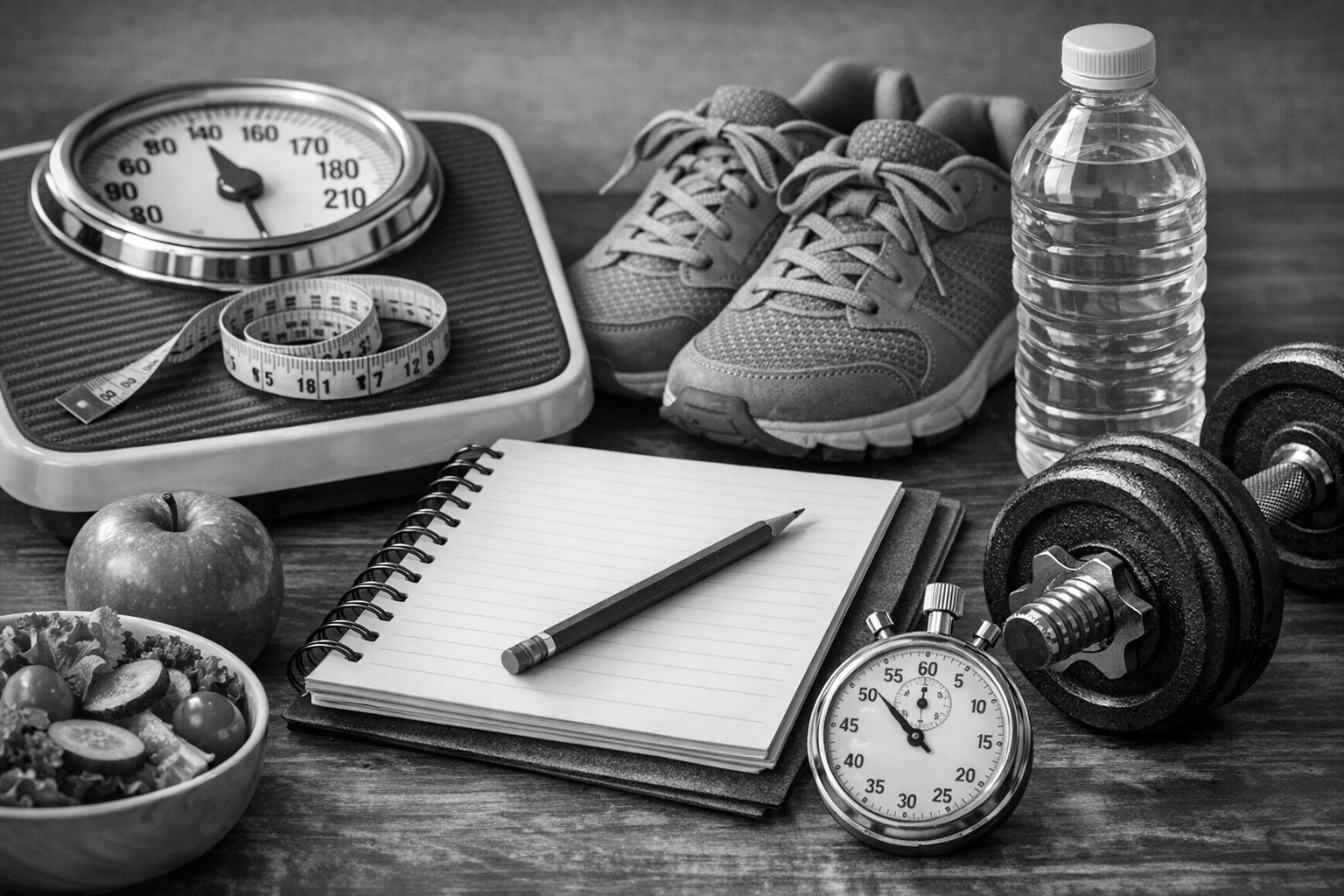
Setting weight loss goals can feel exciting at first, but it can also feel overwhelming fast. Some people want to lose weight for health, others for confidence, energy, or mobility. No matter your reason, the key to success is setting goals that are realistic, specific, and sustainable. A smart goal gives you direction, helps you stay motivated, and keeps you from falling into the all-or-nothing trap.
Why weight loss goals matter
Without a goal, it is easy to drift from one diet trend to another. A clear weight loss goal gives your efforts purpose. It helps you decide what habits matter most, whether that is improving your meals, increasing your daily movement, or getting better sleep.
Goals also make progress easier to measure. Instead of focusing only on the number on the scale, you can track actions and achievements along the way. That may include drinking more water, cooking at home more often, walking after dinner, or avoiding emotional eating triggers.
Goals create accountability
When you write down a goal, you make it more real. Sharing it with a friend, coach, or family member can add accountability and encouragement. This does not mean you need public pressure; it simply means having support can make the process easier.
Goals help you stay consistent
Weight loss is rarely about one perfect week. It is usually about consistent habits over time. A goal keeps you focused when motivation dips, which is normal for everyone. Consistency is what turns small changes into lasting results.
How to set realistic weight loss goals
The best weight loss goals are realistic and tied to your actual lifestyle. A goal that is too aggressive can lead to frustration, burnout, or unhealthy habits. A better approach is to start with what you can truly maintain.
Use the SMART method
SMART goals are specific, measurable, achievable, relevant, and time-bound. Instead of saying, “I want to lose weight,” try, “I want to lose 8 pounds in 8 weeks by walking 30 minutes five days a week and preparing lunch at home.” This version gives you a clear plan.
- Specific: What exactly do you want to do?
- Measurable: How will you track progress?
- Achievable: Is the goal realistic for your schedule and body?
- Relevant: Does it matter to your overall health or lifestyle?
- Time-bound: What is your timeline?
Focus on behavior goals, not just scale goals
Scale goals can be motivating, but they should not be your only focus. Behavior goals are actions you can control every day. For example, “I will eat vegetables at two meals per day” is more actionable than “I will be 20 pounds lighter.” Behavior goals help build the habits that lead to weight loss.
Start small and build momentum
Big goals are easier to reach when they are broken into smaller steps. If your long-term goal is to lose 30 pounds, start with a goal like walking 15 minutes a day or reducing sugary drinks. Small wins build confidence and make larger changes feel less intimidating.
Common weight loss goal mistakes to avoid
Many people set goals with the best intentions but run into problems because the goals are too strict or too vague. Knowing the most common mistakes can help you avoid them.
Being too extreme
Crash diets and intense exercise plans may produce short-term results, but they are often hard to maintain. Extreme plans usually leave people feeling deprived, tired, and discouraged. A moderate plan is more likely to stick.
Setting goals without a plan
A goal without a plan is just a wish. If you want to lose weight, think through the habits that will support it. When will you grocery shop? What will you eat for breakfast? How will you manage stress? Planning ahead reduces decision fatigue.
Ignoring non-scale victories
Weight loss is not the only sign of progress. Better sleep, improved energy, looser clothing, stronger workouts, and fewer cravings all matter. These wins can keep you encouraged when the scale moves slowly.
How to stay motivated when progress slows
Almost everyone experiences plateaus or slow weeks. That does not mean your efforts are not working. It usually means your body is adjusting, or that your routine needs a small update.
Track more than weight
Keep a simple log of your habits, mood, energy, and measurements if those feel useful. Tracking gives you a bigger picture of progress. You may notice that even when weight stays the same for a bit, your consistency has improved.
Revisit your reasons
When motivation fades, remind yourself why you started. Maybe you want more energy for your kids, better lab results, or more confidence in daily life. A strong reason can help you push through temporary setbacks.
Adjust instead of quitting
If your plan is not working, do not assume you failed. Ask what needs to change. Maybe your portions are still too large, or your exercise routine is too hard to maintain. Small adjustments are often all it takes to get back on track.
Conclusion
Weight loss goals work best when they are realistic, specific, and built around habits you can keep. Instead of aiming for perfection, aim for progress. Choose a goal that fits your life, track the behaviors that matter, and celebrate every step forward. When your goals are practical and personal, lasting success becomes much more achievable.