
Healthy Eating Tips for Everyday Life
Healthy eating does not have to mean strict diets, complicated meal plans, or giving up the foods you love. In fact, the best approach is usually the simplest one: building balanced habits you can actually maintain. When you focus on nourishing your body most of the time, you create a foundation for better energy, improved mood, and long-term wellness.
If you are looking for practical healthy eating tips, the key is to start small. A few smart changes to your daily routine can make a big difference over time. Here are some realistic ways to eat better without feeling overwhelmed.
Start with balanced meals
A balanced meal helps keep you full, supports stable energy, and makes it easier to avoid overeating later. A simple formula is to include protein, fiber-rich carbohydrates, healthy fats, and plenty of color from fruits or vegetables.
Build your plate with purpose
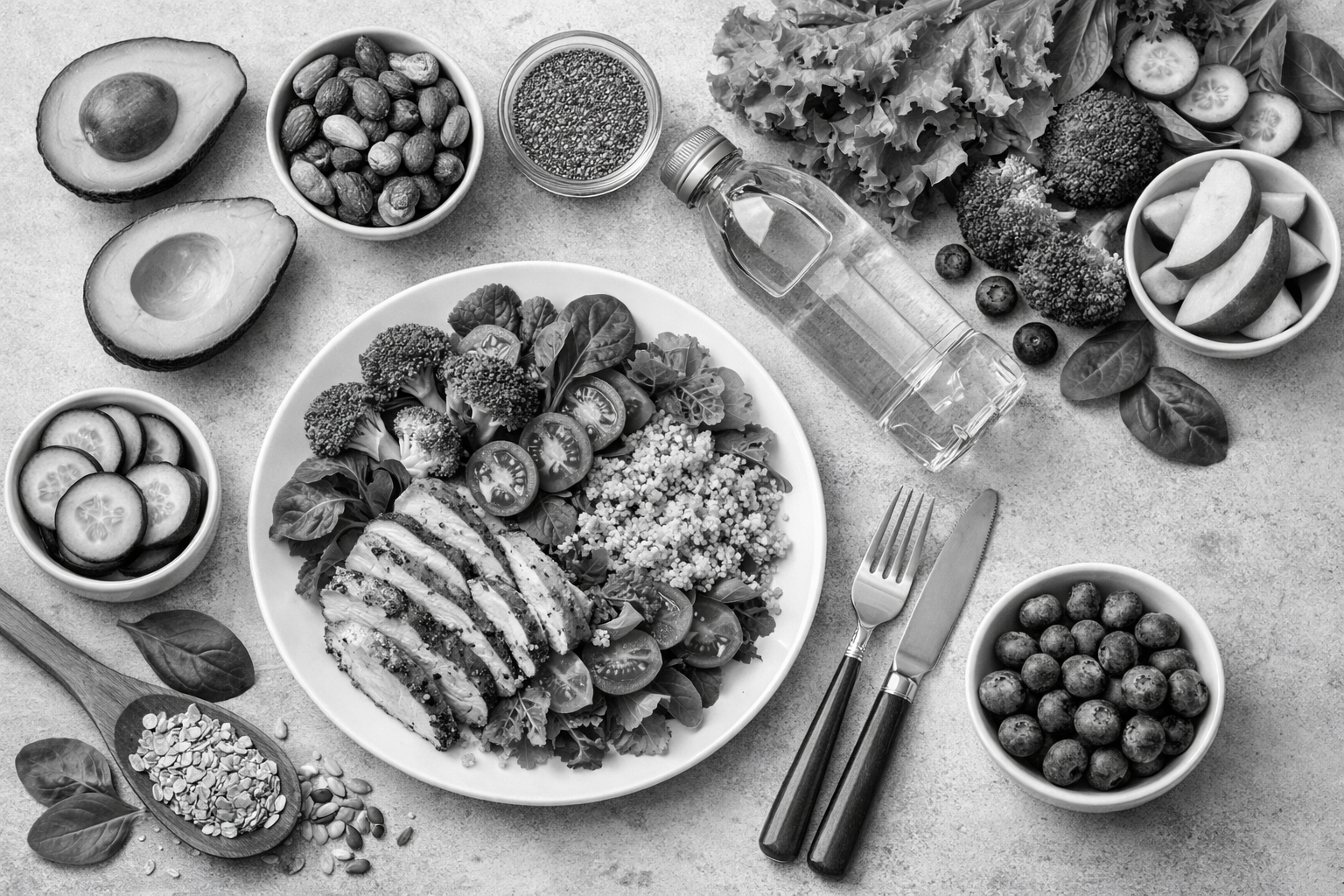
Try filling half your plate with vegetables, one quarter with lean protein, and one quarter with whole grains or starchy vegetables. Add a small serving of healthy fat, such as avocado, nuts, seeds, or olive oil. This approach is flexible and easy to apply at home or when eating out.
Examples of balanced meals include grilled chicken with roasted vegetables and brown rice, oatmeal topped with berries and nut butter, or a bean salad with leafy greens and whole-grain bread.
Choose whole foods more often
Whole foods are foods that are close to their natural state and less processed. They tend to be richer in nutrients and more satisfying than heavily processed alternatives. Making whole foods the default choice can improve the overall quality of your diet without requiring perfection.
Simple swaps that add up
Instead of reaching for sugary cereal, try oats or unsweetened whole-grain cereal. Swap chips for nuts or fruit. Choose plain yogurt and add your own fruit and honey rather than buying a heavily sweetened version. These small changes help reduce added sugar, sodium, and unhealthy fats while increasing vitamins, minerals, and fiber.
Frozen fruits and vegetables, canned beans, and whole-grain pantry staples are also great options. They are convenient, affordable, and nutritious.
Pay attention to portion sizes
Even healthy foods can contribute to weight gain or discomfort when portions are too large. Learning what reasonable portions look like can help you enjoy food without overdoing it. This does not mean you need to measure everything forever, but having a general sense of serving sizes is useful.
Use your plate and hands as guides
A helpful trick is to use your hands as a visual guide. A palm-sized portion of protein, a fist-sized portion of carbs, and a thumb-sized portion of fats can be a good starting point. For snacks, pre-portion foods instead of eating straight from the package.
Slowing down during meals also helps. Give your body time to recognize fullness by eating at a relaxed pace and pausing before going back for seconds.
Plan ahead for better choices
Healthy eating becomes much easier when you have a plan. Without one, it is easy to rely on convenience foods or skip meals entirely. A little preparation can save time, money, and stress during busy weeks.
Make healthy eating easier during the week
Try planning a few meals before grocery shopping. Keep a list of quick go-to breakfasts, lunches, and dinners. Batch-cook basics like rice, roasted vegetables, or grilled protein so they are ready to use later. Having healthy snacks on hand, such as apples, trail mix, hummus, or hard-boiled eggs, can also prevent impulsive choices.
You do not need an elaborate meal prep system. Even chopping vegetables in advance or packing lunch the night before can make a big difference.
Limit added sugar and highly processed foods
Added sugar and highly processed foods are easy to overeat because they are designed to taste appealing and are often low in filling nutrients. Reducing them does not mean eliminating all treats. Instead, aim to make them occasional choices rather than everyday staples.
Read labels and stay aware
Check ingredient lists and nutrition labels when possible. Foods with long ingredient lists, high amounts of added sugar, or excessive sodium may be best kept as occasional items. Look for healthier alternatives that still satisfy your cravings, such as dark chocolate instead of candy, air-popped popcorn instead of chips, or fruit with yogurt instead of dessert pastries.
A useful mindset is to focus on adding nourishing foods rather than obsessing over what to cut out. When your meals are satisfying and nutrient-dense, processed snacks often become less tempting.
Stay hydrated throughout the day
Hydration is often overlooked, but it plays an important role in digestion, energy, and concentration. Sometimes thirst can even feel like hunger, leading people to eat when they really need water.
Make water your default drink
Water is the best everyday beverage for most people. Keep a reusable bottle nearby and sip regularly. If plain water feels boring, add lemon, cucumber, mint, or berries for flavor. Herbal tea and sparkling water can also be refreshing options.
Try to limit sugary drinks such as soda, sweetened coffee drinks, and energy beverages. These can add a lot of calories without making you feel full.
Listen to hunger and fullness cues
Healthy eating is not only about what you eat, but also about how you eat. Learning to recognize hunger and fullness cues can help you build a healthier relationship with food and avoid mindless eating.
Eat with more awareness
Before eating, ask yourself whether you are physically hungry, bored, stressed, or simply reacting to habit. During meals, check in with yourself halfway through and notice whether you are still hungry. You do not need to leave the table overly full to feel satisfied. Stopping when you are comfortably full is often the best goal.
Eating without distractions, such as phones or television, can make it easier to notice these signals. The more often you practice mindful eating, the more natural it becomes.
Keep healthy eating realistic and flexible
The healthiest eating plan is one you can follow over time. That means allowing room for enjoyment, traditions, and occasional indulgences. A rigid approach can backfire, while a flexible one is easier to maintain and far less stressful.
Focus on progress, not perfection
If one meal is less balanced than you hoped, simply make the next one a little better. If you enjoy dessert or fast food occasionally, that does not erase your progress. Healthy eating is about patterns, not perfection.
Try to build habits that fit your schedule, preferences, and budget. When healthy choices feel realistic, they are much more likely to stick.
Conclusion
Healthy eating does not require drastic changes. By focusing on balanced meals, whole foods, portion awareness, planning ahead, hydration, and mindful eating, you can make steady progress toward better health. Start with one or two tips, build from there, and remember that consistency matters more than perfection. Small, sustainable choices are what create lasting results.