
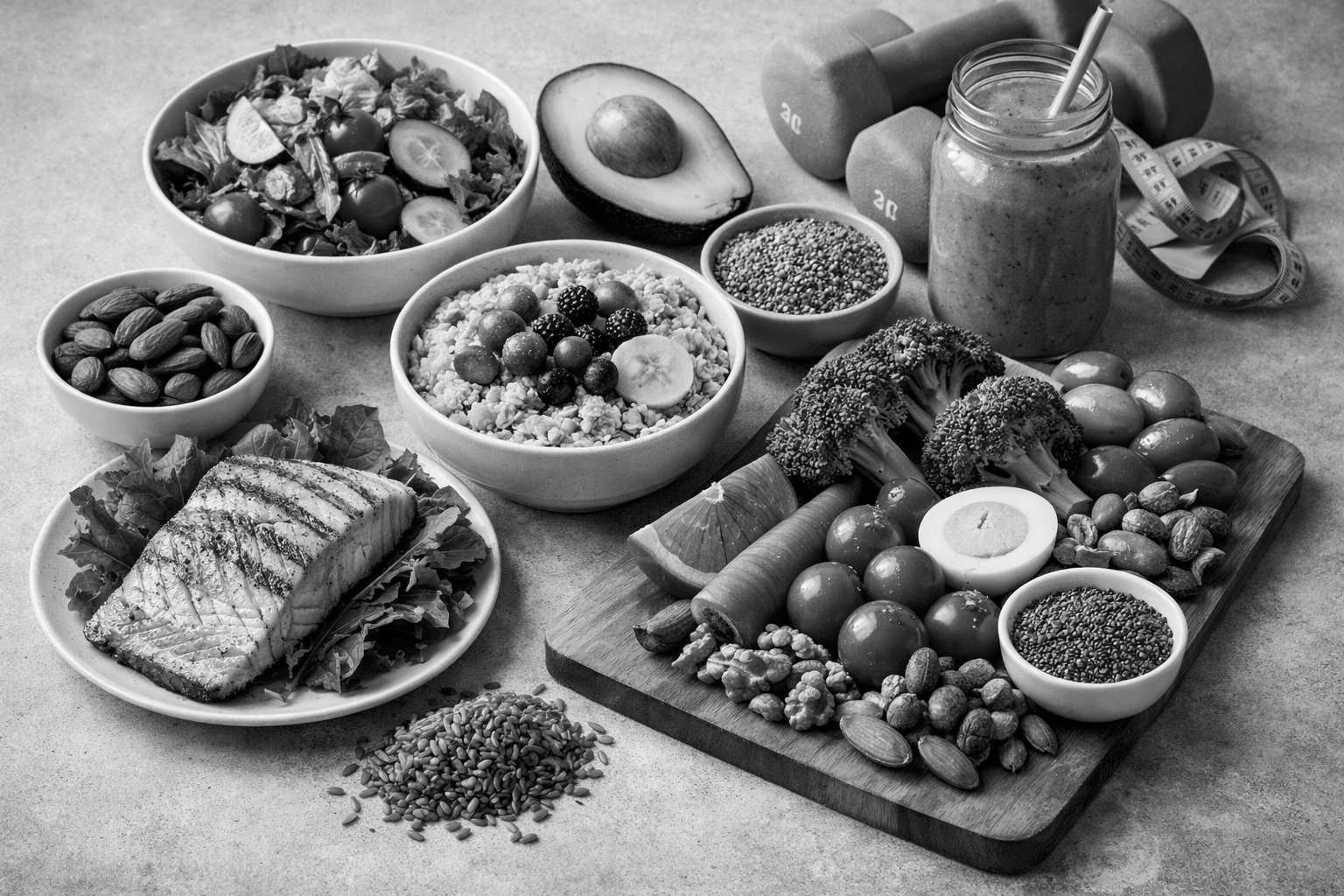
How to Eat Healthy
Eating healthy does not have to mean strict dieting, expensive ingredients, or giving up the foods you enjoy. In fact, the best approach is usually the simplest one: build meals around nutritious foods most of the time, while still leaving room for flexibility. A healthy way of eating supports your energy, mood, digestion, and long-term wellbeing.
If you have ever wondered where to start, the answer is to focus on a few core habits. Choose mostly whole foods, balance your meals, pay attention to portions, and make healthy eating realistic for your lifestyle. Small, steady changes are far more effective than trying to overhaul everything at once.
Start with Balanced Meals
A healthy meal usually includes a mix of protein, fiber-rich carbohydrates, and healthy fats. This combination helps keep you full, supports steady energy, and makes it easier to avoid overeating later.
- Protein: chicken, fish, eggs, beans, lentils, tofu, yogurt
- Carbohydrates: brown rice, oats, quinoa, whole-grain bread, fruit, vegetables
- Healthy fats: avocado, olive oil, nuts, seeds, salmon
For example, a balanced lunch could be a grilled chicken bowl with brown rice, roasted vegetables, and a drizzle of olive oil. A vegetarian option might include lentils, quinoa, mixed greens, and avocado. Balanced meals are not about perfection; they are about giving your body a reliable mix of nutrients.
Use the Plate Method
One of the easiest ways to eat healthy is to use the plate method. Fill half your plate with vegetables, one quarter with protein, and one quarter with whole grains or starchy vegetables. Add a small serving of healthy fat if needed. This simple visual guide works well for lunch and dinner and takes the guesswork out of portioning.
Choose More Whole Foods
Whole foods are foods that are close to their natural form and minimally processed. Examples include fresh vegetables, fruit, eggs, beans, nuts, plain yogurt, oats, and whole grains. These foods usually contain more nutrients and fiber than highly processed items.
That does not mean you must avoid all packaged foods. Instead, make whole foods the foundation of your diet. A bag of frozen vegetables, canned beans, or plain Greek yogurt can be just as useful as fresh options and often more convenient. The goal is to spend less time relying on ultra-processed foods that are high in added sugar, sodium, and unhealthy fats.
Read Labels Without Stress
Food labels can help you make better choices, but they do not need to be overwhelming. Start by checking the ingredient list and looking for shorter lists with recognizable ingredients. Also pay attention to added sugar, sodium, and serving sizes. If a product is high in sugar or very low in fiber and protein, consider whether it is something you want to eat regularly.
Plan Ahead for Success
Healthy eating becomes much easier when you plan ahead. When you are hungry and busy, convenience often wins. Planning meals and snacks in advance helps you make better choices without relying on willpower alone.
You do not need to spend hours meal prepping every Sunday. Even a few simple steps can make a big difference:
- Make a grocery list before shopping
- Keep healthy snacks ready, like fruit, nuts, or yogurt
- Cook extra portions for leftovers
- Wash and chop vegetables ahead of time
- Keep a few easy meals on hand for busy days
When your kitchen is stocked with healthy staples, eating well becomes much more natural. You are more likely to build a nutritious meal when the ingredients are already available.
Watch Portions, Not Just Ingredients
Even healthy foods can add up if portions are too large. Portion control is not about eating less for the sake of it. It is about matching your intake to your hunger, activity level, and goals.
A helpful approach is to eat slowly and notice when you feel comfortably satisfied. Try using smaller plates or bowls if you tend to overfill your portions. You can also begin meals with a glass of water or a serving of vegetables, which may help you feel full sooner.
It is also important to listen to your body. Some days you may need more food, especially if you are active, stressed, or recovering from illness. Healthy eating should support your life, not restrict it unnecessarily.
Make Healthy Choices Easier
The best healthy habits are the ones you can actually keep. Instead of focusing only on what to avoid, make it easier to choose nourishing foods in everyday situations.
- Keep fruit visible on the counter
- Store cut vegetables at eye level in the fridge
- Buy snacks in single portions if needed
- Choose water or unsweetened drinks most of the time
- Build routines around meals you enjoy
It also helps to think in terms of progress, not perfection. If you eat balanced meals most of the time, that is a strong foundation. One restaurant meal, dessert, or busy day will not ruin your overall habits. Consistency matters far more than strict rules.
Conclusion
Learning how to eat healthy is really about creating simple habits that support your life. Focus on balanced meals, whole foods, planning ahead, and reasonable portions. When healthy eating feels practical and flexible, it becomes much easier to maintain for the long term. Start small, stay consistent, and build from there.