
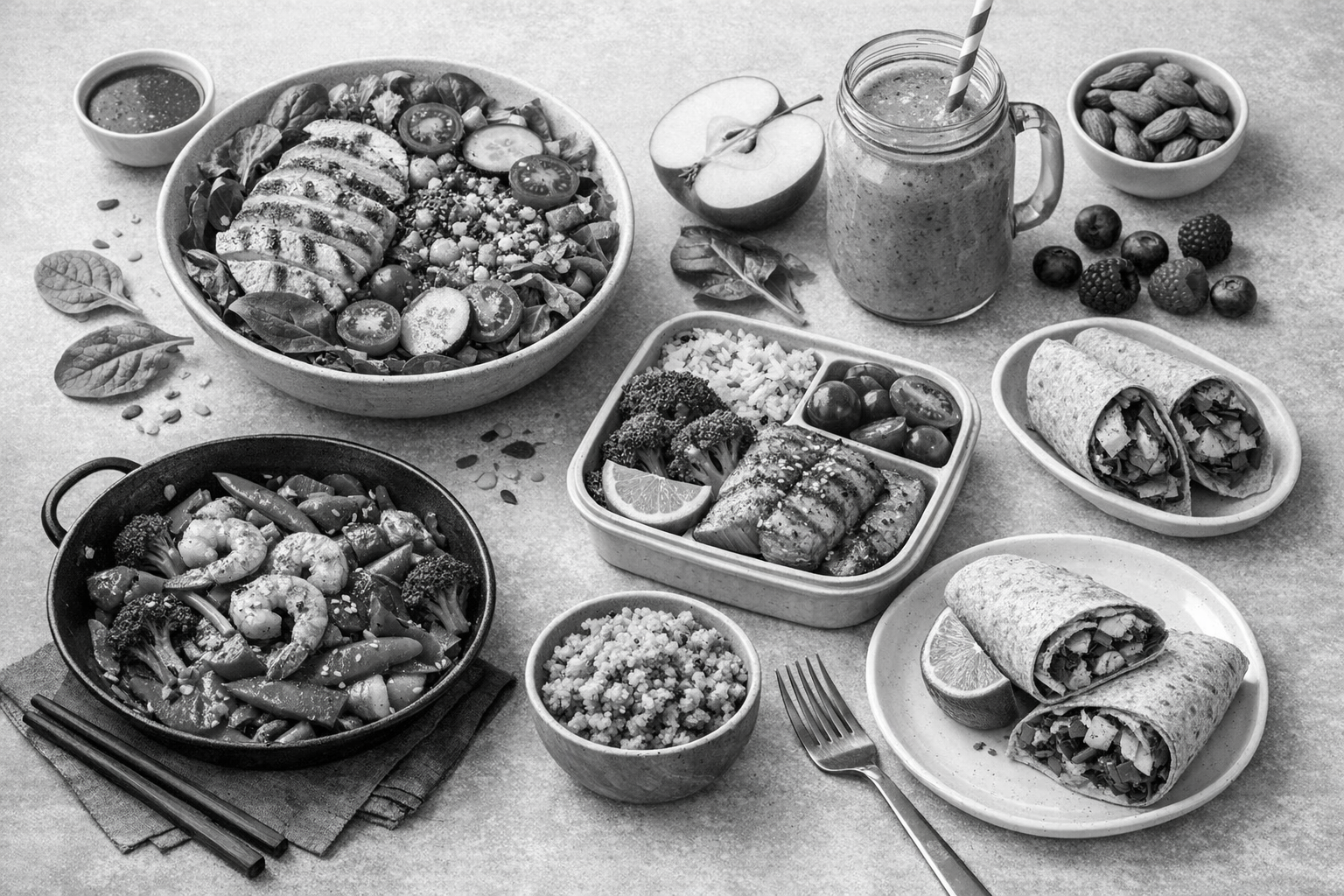
Eating well does not have to mean spending an hour in the kitchen every night. With a few smart ingredients and simple techniques, you can make quick healthy meals that are satisfying, flavorful, and realistic for busy weekdays. The key is to focus on meals that come together fast, use pantry staples, and still include a balance of protein, fiber, and healthy fats.
Why quick healthy meals matter
When life gets busy, it is easy to rely on takeout, packaged snacks, or skipped meals. Quick healthy meals help you avoid that cycle by making nutritious food more convenient. They can support steady energy, better focus, and fewer last-minute food decisions that lead to less balanced choices.
Another benefit is consistency. If healthy eating feels complicated, it is harder to maintain. Fast meals make it easier to stick with good habits during workweeks, school nights, and packed schedules. They also reduce stress because dinner does not feel like a major project.
What makes a meal both quick and healthy
A truly quick healthy meal usually has three things: simple prep, minimal cooking time, and solid nutrition. Look for meals that combine a protein source, colorful vegetables, and a filling carbohydrate such as brown rice, whole-grain bread, or beans.
It also helps to choose ingredients that work in multiple meals. Rotisserie chicken, canned tuna, eggs, tofu, prewashed greens, frozen vegetables, and microwaveable grains can all save time without sacrificing quality. The best meals are not just fast; they are also easy to repeat.
Use a smart formula
A helpful approach is to build meals from a simple formula: protein + produce + whole grain or healthy fat. For example, grilled chicken with salad and quinoa, Greek yogurt with fruit and nuts, or hummus with vegetables and whole-grain pita. This keeps meal planning simple while still giving you variety.
Fast breakfast ideas to start the day right
Breakfast is often the first meal to get skipped when mornings are rushed, but a quick healthy option can make a big difference. Overnight oats are a great choice because they can be prepared in advance and customized with fruit, seeds, or nut butter. A smoothie with spinach, banana, protein, and milk or yogurt is another efficient option.
If you prefer something savory, try scrambled eggs with toast and avocado, or a breakfast wrap with eggs, black beans, and salsa. These meals take only a few minutes but provide more staying power than a sugary pastry or a plain coffee on its own.
Easy lunch ideas for busy days
Lunch is easier when you rely on ingredients that do not require much cooking. Grain bowls are a strong option: start with rice, farro, or quinoa, then add vegetables, protein, and a simple dressing. Leftover roasted vegetables or chicken work especially well here.
Wraps and sandwiches can also be healthy when built thoughtfully. Use whole-grain bread or tortillas, add lean protein like turkey or hummus, and layer in plenty of vegetables. If you want something lighter, a large salad with beans, tuna, or eggs can be filling when paired with a piece of fruit or whole-grain crackers.
Simple dinner ideas for weeknights
Weeknight dinners often need to be the fastest meal of the day. Sheet pan meals are one of the easiest ways to keep dinner healthy and simple. Toss chicken, salmon, tofu, or sausage with vegetables and roast everything together. The cleanup is minimal, and the meal can be ready in about 20 to 30 minutes.
Stir-fries are another excellent option. Cook your protein first, add frozen or fresh vegetables, and finish with a quick sauce made from soy sauce, garlic, ginger, and a touch of honey or sesame oil. Serve it over rice or noodles for a complete meal.
Soup is also a smart choice, especially when made from pantry ingredients. Canned beans, broth, tomatoes, and vegetables can be transformed into a hearty meal with very little effort. Pair it with whole-grain toast or a simple side salad for a balanced dinner.
Healthy meals that use pantry and freezer staples
One of the best ways to make quick healthy meals easier is to keep a few reliable staples on hand. Frozen vegetables cook quickly and are just as useful as fresh ones in many recipes. Canned beans, lentils, tuna, diced tomatoes, and broth can all become the base of fast meals.
Pantry staples also help when fresh groceries are running low. Whole-wheat pasta, brown rice, oats, nut butter, and olive oil can be combined with whatever produce you have left. For example, pasta with olive oil, garlic, spinach, and canned chickpeas can be ready in minutes and still feel like a real meal.
Time-saving prep tips that make healthy eating easier
A little prep goes a long way. Washing and chopping vegetables ahead of time makes them more likely to be used during the week. Cooking a batch of grains or roasting a tray of vegetables on Sunday can cut meal prep time dramatically later in the week.
It also helps to prep ingredients instead of full meals. That gives you flexibility while still saving time. For example, cook chicken, rice, and vegetables separately, then mix and match them into bowls, wraps, or salads. This keeps meals from feeling repetitive and reduces waste.
Another useful habit is keeping a backup meal plan for very busy nights. Frozen dumplings, pre-made soup, or eggs and toast can be healthy enough when paired with fruit or vegetables. A realistic plan is better than an ideal one that never happens.
How to keep quick healthy meals interesting
Healthy meals do not have to be bland. Small changes in seasoning, texture, and sauces can make the same ingredients taste completely different. Try salsa, pesto, tahini, yogurt-based dressings, chili crisp, or lemon juice to brighten simple dishes.
You can also rotate cuisines to keep things fresh. One night might be Mediterranean with chickpeas and cucumbers, while the next is inspired by Mexican flavors with beans, corn, and avocado. Even if the ingredients overlap, changing the flavor profile keeps meals exciting.
Conclusion
Quick healthy meals are all about making good food easier to choose. With a few staple ingredients, simple formulas, and time-saving habits, you can put together meals that support your health without slowing down your day. Start with one or two go-to recipes, build from there, and keep things flexible so healthy eating feels practical instead of overwhelming.