
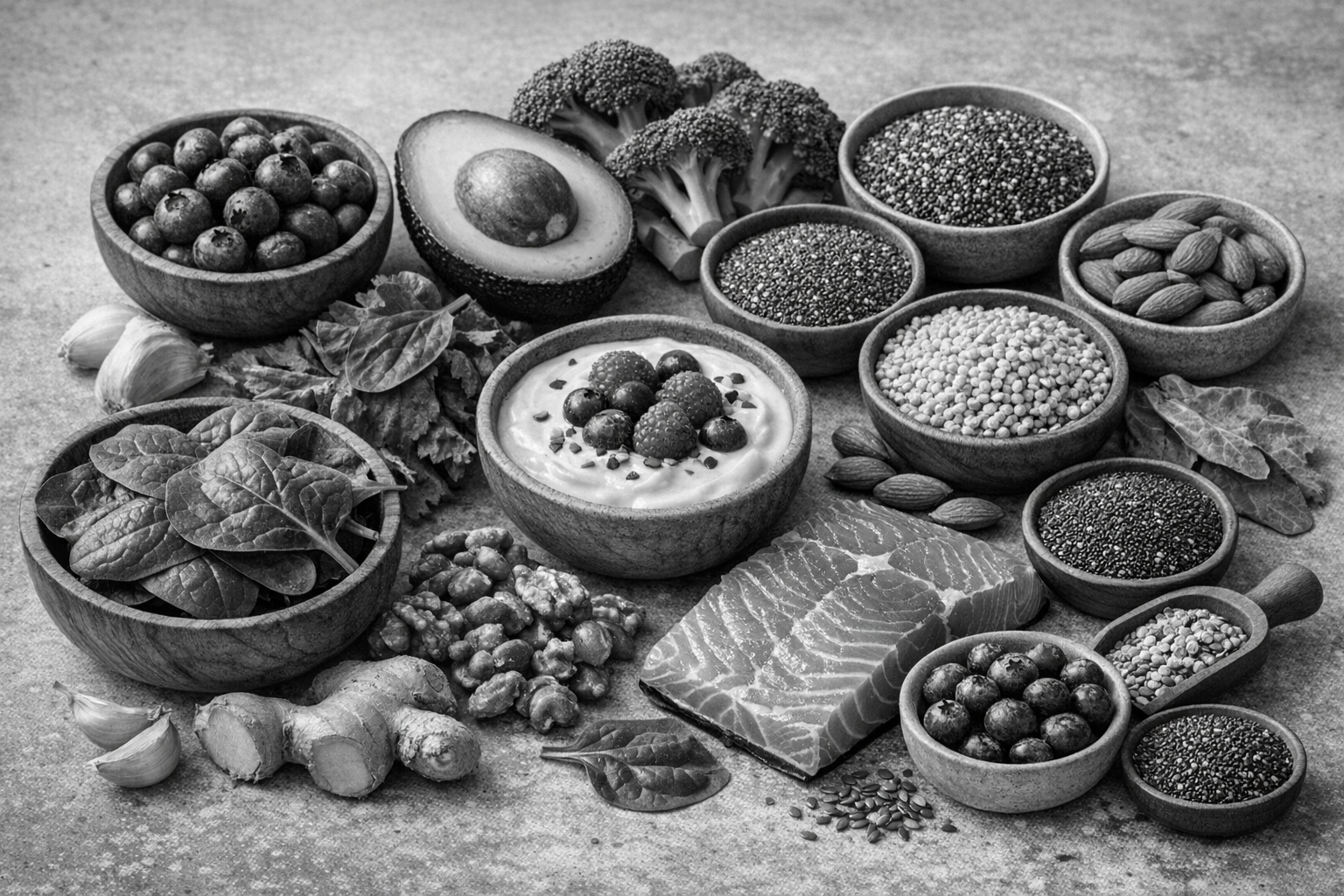
What Are Superfoods?
“Superfoods” is a popular term for foods that are especially rich in nutrients and offer notable health benefits. While there is no official scientific category called superfoods, the phrase is a useful shorthand for foods that pack a lot of vitamins, minerals, antioxidants, fiber, and healthy fats into a small serving. These foods can support energy, heart health, digestion, and overall wellness when included as part of a balanced diet.
The key thing to remember is that no single food can do everything. Superfoods work best when they are part of a varied eating pattern filled with fruits, vegetables, whole grains, lean proteins, and healthy fats. Think of them as powerful additions to your diet, not magic solutions.
Why Superfoods Matter in a Healthy Diet
A healthy diet is about more than just cutting calories or avoiding certain ingredients. It’s about giving your body the nutrients it needs to function well. Superfoods matter because they are dense in nutrients but often relatively low in added sugars, unhealthy fats, and empty calories. That makes them a smart choice for supporting daily wellness.
Adding nutrient-rich foods to your meals can help you feel fuller for longer, maintain steady energy, and improve the overall quality of your diet. Many superfoods also contain antioxidants, which help protect cells from damage caused by free radicals. Others are rich in fiber, which supports digestion and may help with cholesterol and blood sugar management.
Top Superfoods to Include in Your Diet
1. Berries
Blueberries, strawberries, raspberries, and blackberries are among the most popular superfoods for good reason. They are packed with antioxidants, vitamin C, and fiber. Berries are naturally sweet, making them an easy way to satisfy cravings without relying on processed desserts.
Try adding berries to oatmeal, yogurt, smoothies, or salads. Frozen berries are just as nutritious as fresh ones and are a convenient option year-round.
2. Leafy Greens
Spinach, kale, arugula, Swiss chard, and collard greens are loaded with vitamins A, C, and K, plus folate, iron, and magnesium. Leafy greens are also low in calories, which makes them an excellent base for meals when you want to add volume and nutrition without heaviness.
Use leafy greens in salads, stir-fries, soups, omelets, or green smoothies. If the flavor of raw kale or spinach feels too strong, lightly sautéing them can make them more appealing.
3. Fatty Fish
Salmon, sardines, mackerel, and trout are excellent sources of omega-3 fatty acids, which are important for brain and heart health. Fatty fish also provide high-quality protein and essential nutrients like vitamin D and selenium.
Including fatty fish in your meals two times per week is a common nutrition recommendation. Bake, grill, or pan-sear fish and pair it with vegetables and whole grains for a balanced plate.
4. Nuts and Seeds
Almonds, walnuts, chia seeds, flaxseeds, pumpkin seeds, and sunflower seeds are small but mighty. They contain healthy fats, plant-based protein, fiber, and important minerals such as magnesium and zinc. Nuts and seeds can help keep you satisfied between meals and add texture to a variety of dishes.
Sprinkle seeds on yogurt, salads, or toast, or enjoy a small handful of nuts as a snack. Because they are calorie-dense, portion size matters, so aim for modest servings.
5. Beans and Legumes
Black beans, lentils, chickpeas, and kidney beans are affordable superfoods that provide fiber, protein, iron, and complex carbohydrates. They are especially helpful for maintaining stable energy levels and supporting digestive health.
Beans and legumes are versatile and can be used in soups, stews, grain bowls, salads, and dips like hummus. They are also a great plant-based substitute for meat in many recipes.
6. Whole Grains
Quinoa, oats, brown rice, barley, and farro are examples of whole grains that retain their natural fiber and nutrients. Unlike refined grains, whole grains help slow digestion and provide longer-lasting energy.
Start your morning with oats, serve quinoa as a base for veggie bowls, or choose brown rice instead of white rice. Simple swaps like these can improve the nutritional quality of your meals without requiring a major diet overhaul.
7. Greek Yogurt
Greek yogurt is rich in protein, calcium, and probiotics that support gut health. It is creamier and higher in protein than regular yogurt, making it a satisfying snack or breakfast option.
Choose plain Greek yogurt to avoid added sugars, then top it with fruit, seeds, or a drizzle of honey if you want extra flavor. It can also be used in smoothies, dressings, and dips.
8. Avocados
Avocados are known for their heart-healthy monounsaturated fats, along with fiber, potassium, and vitamins C, E, and K. Their creamy texture makes them a satisfying addition to meals and snacks.
Use avocado on toast, in salads, or blended into smoothies and sauces. Because they are rich in calories, portion awareness is helpful, but they can be a valuable part of a balanced diet.
How to Add Superfoods to Your Meals
The easiest way to eat more superfoods is to build them into meals you already enjoy. Start by making small, realistic changes instead of overhauling your whole diet at once. Add berries to breakfast, toss greens into lunch, or include beans in dinner a few times a week.
Another helpful strategy is to combine multiple superfoods in one meal. For example, a salad with leafy greens, salmon, avocado, and seeds gives you fiber, protein, and healthy fats all in one bowl. A breakfast of oatmeal topped with berries and chia seeds is another simple example.
Meal planning can also make healthy eating easier. Stock your kitchen with a mix of fresh and frozen produce, canned beans, whole grains, and pantry-friendly nuts and seeds so you always have nutritious options available.
Common Myths About Superfoods
One common myth is that superfoods are expensive or hard to find. While some trendy ingredients can be pricey, many of the most powerful superfoods are affordable staples like oats, beans, spinach, and eggs. Healthy eating does not have to be complicated or costly.
Another myth is that superfoods can replace the need for a balanced diet. Even the healthiest foods won’t make up for poor overall eating habits. The best results come from consistency, variety, and moderation. It’s your overall pattern that matters most.
It’s also important to avoid thinking that all packaged foods labeled “superfood” are automatically healthy. Always check ingredients and nutrition labels, especially for bars, drinks, or snacks that may contain added sugar or excessive sodium.
Conclusion
Superfoods can be a delicious and practical way to strengthen a healthy diet. By including nutrient-dense foods like berries, leafy greens, fatty fish, nuts, beans, whole grains, Greek yogurt, and avocados, you can support your body with vitamins, minerals, fiber, and healthy fats. The goal is not perfection but balance. Start small, build habits you can maintain, and let superfoods become a natural part of your everyday meals.