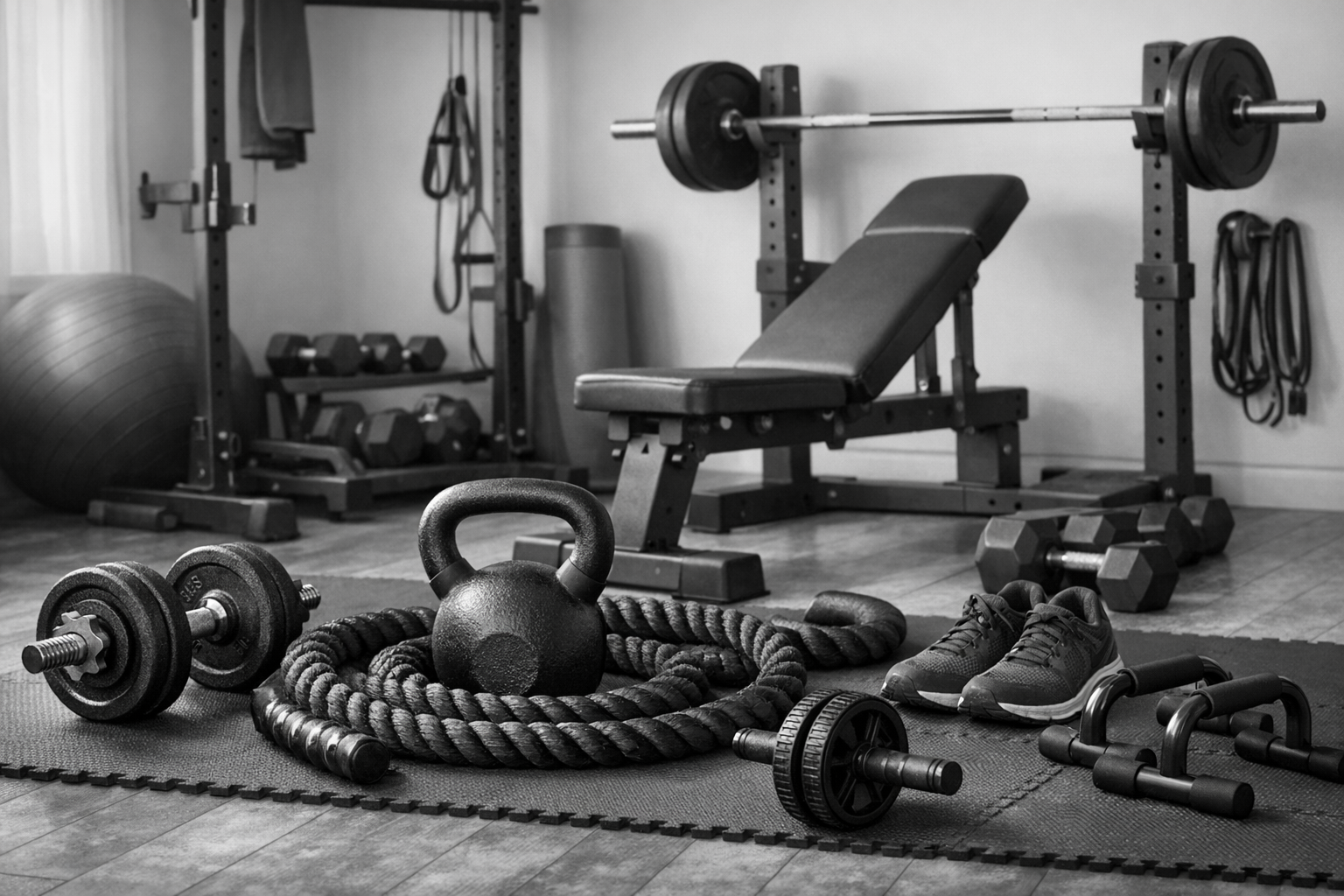
Creating a home workout space is one of the easiest ways to stay consistent with fitness. Whether you want to save time, avoid crowded gyms, or simply make exercise more convenient, the right home workout equipment can help you reach your goals without leaving the house.
The best part? You do not need to fill a room with expensive machines. A smart setup can be simple, affordable, and highly effective. In this guide, we will walk through the best home workout equipment, how to choose it, and how to build a space that supports your routine.
Why Home Workout Equipment Matters
Home workout equipment gives you flexibility. You can train early in the morning, during lunch, or late at night without worrying about gym hours. It also removes common barriers like travel time, membership fees, and waiting for machines.
For many people, the biggest benefit is consistency. When equipment is easy to access, workouts become easier to maintain. Even a few well-chosen pieces can support strength training, cardio, mobility, and recovery.
Essential Home Workout Equipment for Beginners
If you are just getting started, focus on versatile equipment that supports a wide range of exercises.
Dumbbells
Dumbbells are one of the most useful items for a home gym. They can be used for squats, presses, rows, lunges, curls, and many more movements. Adjustable dumbbells are especially helpful because they save space while giving you more weight options.
Resistance Bands
Resistance bands are affordable, portable, and excellent for strength training or warm-ups. They come in different resistance levels, making them ideal for beginners and advanced users alike. Bands are also great for mobility work and low-impact exercises.
Exercise Mat
A quality mat adds comfort and stability for floor exercises, stretching, yoga, and core work. If you do a lot of bodyweight training, a mat can make your workouts more comfortable and reduce strain on joints.
Jump Rope
For cardio at home, a jump rope is hard to beat. It is inexpensive, takes up very little space, and provides an intense full-body workout. Just a few minutes of jump rope can raise your heart rate quickly and improve coordination.
Best Equipment for Strength Training
Once you have the basics, you may want to expand your setup for more strength-focused training. These items are especially valuable if you want to build muscle or follow structured workouts.
Kettlebells
Kettlebells are great for compound movements such as swings, goblet squats, presses, and deadlifts. Their shape makes them especially useful for dynamic exercises that combine strength and conditioning.
Adjustable Bench
An adjustable bench adds a lot of variety to your workouts. It supports exercises like bench presses, step-ups, incline rows, split squats, and seated shoulder presses. If you use dumbbells regularly, a bench can significantly expand your training options.
Pull-Up Bar
A pull-up bar is one of the best tools for upper-body and core strength. Depending on the setup, it can be mounted in a doorway or on a wall. Pull-ups, chin-ups, and hanging knee raises are all excellent bodyweight exercises that become easier to do at home with this equipment.
Weighted Vest
A weighted vest increases the challenge of bodyweight workouts such as walking, push-ups, squats, and stair climbing. It is a simple way to add resistance without needing large machines or multiple weights.
Cardio Equipment Worth Considering
If cardio is a major part of your fitness plan, there are several home workout equipment options that can help you stay active indoors.
Treadmill or Walking Pad
A treadmill is a classic choice for walking, jogging, or running indoors. If space is limited, a walking pad can be a more compact option for staying active while working or watching TV.
Stationary Bike
Stationary bikes provide a low-impact cardio workout that is easier on the joints than running. They are ideal for steady-state cardio, interval training, or recovery rides. Many models also include digital tracking features that help you monitor progress.
Rowing Machine
A rowing machine offers a full-body workout that combines cardio and strength. It works the legs, back, arms, and core at the same time, making it one of the most efficient pieces of equipment for home fitness.
How to Choose the Right Equipment for Your Goals
Before buying equipment, think about what you want to achieve. Your fitness goals should guide your choices.
For Weight Loss
If your goal is fat loss, prioritize equipment that helps you stay active consistently. Cardio tools like jump ropes, bikes, or treadmills are useful, but strength equipment matters too because muscle helps support metabolism and long-term progress.
For Muscle Building
For building muscle, invest in items that allow progressive overload. Dumbbells, kettlebells, resistance bands, an adjustable bench, and a pull-up bar are all strong choices. Look for equipment that will continue to challenge you as you get stronger.
For General Fitness
If you want overall wellness, choose a mix of cardio, strength, and recovery tools. A mat, dumbbells, bands, and a jump rope can cover most needs without taking up much room.
Setting Up a Practical Home Workout Space
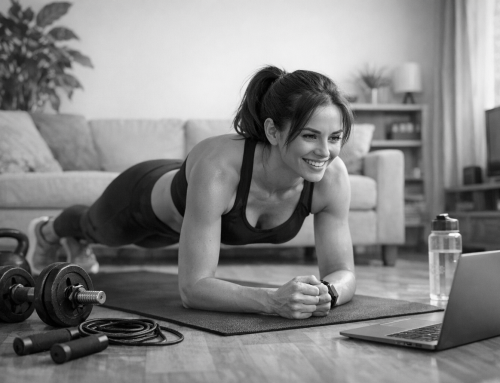
You do not need a dedicated gym room to create an effective workout area. A corner of a bedroom, basement, garage, or living room can work well.
Start by selecting a space with enough room to move safely. Make sure you have good ventilation, adequate lighting, and a floor surface that can handle your workouts. If needed, use rubber flooring or interlocking foam tiles to protect both your equipment and your joints.
Storage is also important. Shelves, bins, and wall hooks can keep bands, ropes, and smaller items organized. A tidy space makes it easier to stay motivated and reduces the chance of tripping over equipment.
Tips for Getting the Most Out of Home Workout Equipment
The right equipment helps, but results come from using it consistently. A few simple habits can make your home workouts more effective.
First, create a schedule and stick to it. When your workouts are planned, it becomes much easier to stay on track. Second, choose workouts that match the equipment you already own so you can avoid unnecessary purchases. Third, focus on form and progression rather than collecting more gear.
It is also helpful to keep your equipment visible and accessible. When your dumbbells, mat, or bands are easy to grab, you are more likely to use them regularly.
Conclusion
Home workout equipment does not have to be complicated or expensive. A few carefully chosen items can help you build strength, improve cardio, and stay active on your own schedule. Start with the basics, choose tools that match your goals, and build a setup that makes fitness simple and sustainable.