
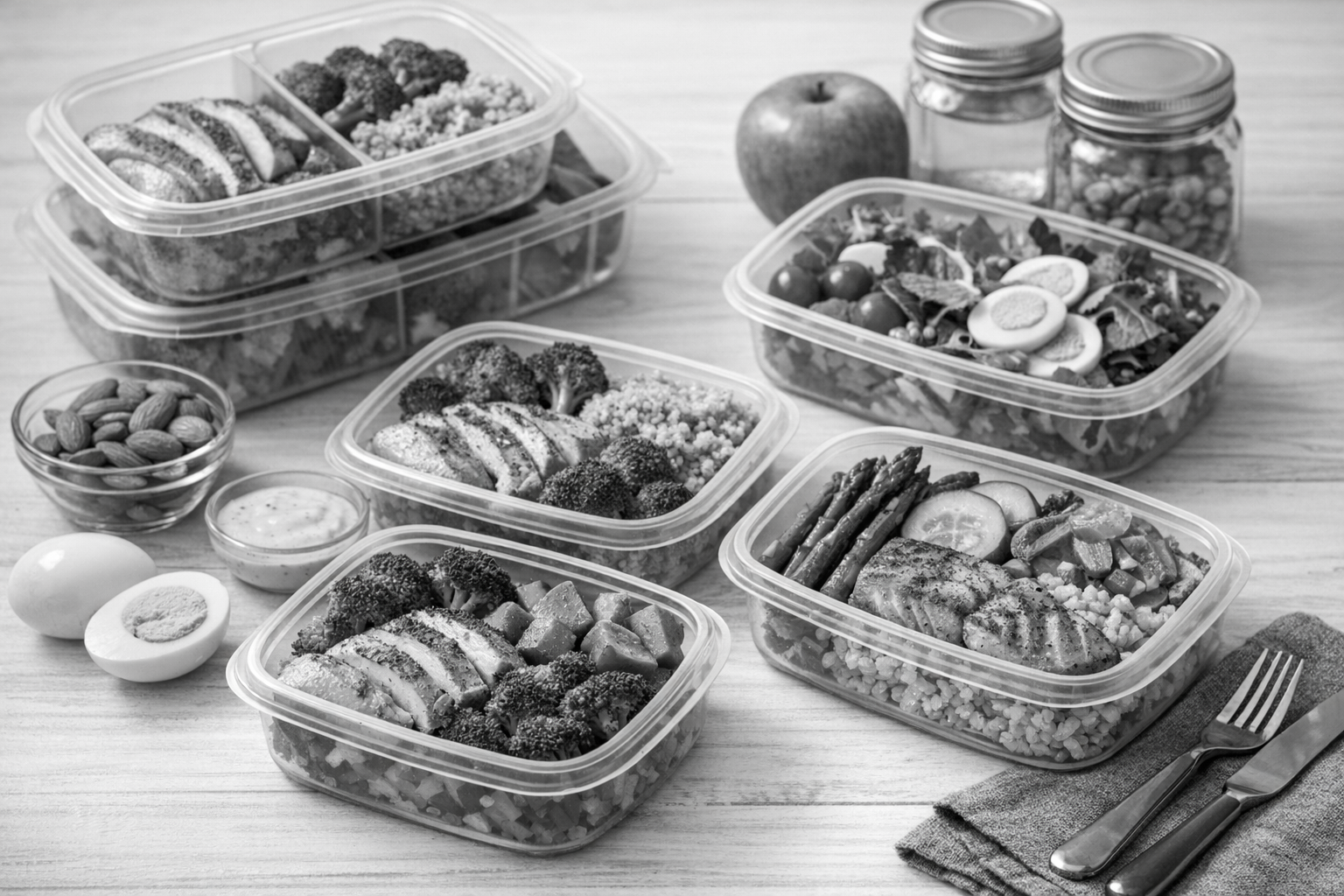
Why Meal Prep Supports Healthy Eating
Meal prep is one of the easiest ways to make healthy eating feel realistic, even on busy weeks. Instead of deciding what to cook when you are already tired and hungry, you prepare meals or ingredients ahead of time so nutritious choices are ready when you need them. This reduces reliance on takeout, packaged snacks, and last-minute meals that may be higher in sodium, sugar, and unhealthy fats.
Beyond convenience, meal prep helps you stay more consistent. When healthy food is already portioned and waiting in the fridge, it becomes much easier to build balanced meals, control portions, and avoid food waste. It can also save time, money, and mental energy, which makes healthy eating feel less like a chore and more like a habit.
Start with a Simple Plan
The best meal prep plan is one you can actually maintain. Start by choosing one day each week to plan, shop, and prep, such as Sunday afternoon or Monday evening. Then decide how many meals you want to prepare. You do not need to prep every single meal right away. Many people begin with lunches for the workweek or dinners for three to four days.
Before you shop, think about your schedule. If you know you have a late meeting on Wednesday, prepare something that reheats well. If mornings are rushed, consider make-ahead breakfasts like overnight oats or egg muffins. Planning around your real life makes healthy eating far easier to stick with.
Choose a Few Core Recipes
Meal prep works best when it is simple. Pick two or three recipes you enjoy and rotate them throughout the week. This keeps shopping and cooking manageable while still giving you variety. Aim for meals that use overlapping ingredients, such as rice, chicken, roasted vegetables, beans, or leafy greens.
You can also use a formula instead of strict recipes. For example, build meals from a protein, a high-fiber carbohydrate, healthy fats, and vegetables. A bowl with brown rice, grilled salmon, roasted broccoli, and avocado is balanced, satisfying, and easy to customize.
Build Balanced Meals
Healthy meal prep should do more than fill you up; it should help you feel energized and satisfied. A balanced meal usually includes protein, fiber-rich carbohydrates, healthy fats, and colorful vegetables or fruit. This combination supports steady energy and helps reduce overeating later in the day.
Protein can come from chicken, turkey, eggs, tofu, Greek yogurt, beans, lentils, or fish. Carbohydrates like quinoa, oats, sweet potatoes, brown rice, and whole-grain pasta provide lasting fuel. Healthy fats from olive oil, nuts, seeds, and avocado add flavor and support satiety. Adding vegetables whenever possible boosts vitamins, minerals, and fiber without adding many calories.
Use the Plate Method
If portioning feels confusing, the plate method is a simple guide. Fill half your container or plate with vegetables, one quarter with lean protein, and one quarter with whole grains or starchy vegetables. Then add a small amount of healthy fat or sauce for flavor. This approach makes it easy to create balanced meals without counting every calorie.
Shop Smart and Save Time
A good grocery list is the foundation of efficient meal prep. Once you choose your recipes, organize your list by section: produce, proteins, grains, dairy, pantry items, and seasonings. Shopping with a plan helps you avoid impulse buys and ensures you have everything you need before cooking day.
Buying a few convenience items can also make healthy meal prep easier. Pre-washed greens, frozen vegetables, rotisserie chicken, canned beans, and microwaveable grains can save time without sacrificing nutrition. Frozen produce is especially helpful because it is budget-friendly, lasts longer, and works well in soups, stir-fries, and grain bowls.
Prep in Batches
Batch cooking is one of the most effective meal prep strategies. Instead of cooking separate meals from scratch every day, prepare ingredients in larger amounts. Roast a sheet pan of vegetables, cook a big batch of quinoa or rice, bake chicken breasts, or simmer a pot of chili that can be portioned for several meals.
Another helpful method is ingredient prep. Wash and chop vegetables, boil eggs, cook grains, and portion snacks so they are ready to assemble during the week. This gives you flexibility to mix and match meals without eating the same exact dish over and over.
Store Food the Right Way
Proper storage keeps meal prep fresh and safe. Use airtight containers and label meals with the date they were prepared. Keep sauces and dressings separate when possible so meals do not become soggy. If you prep for more than a few days, freeze some portions to maintain quality and reduce waste.
It also helps to store ready-to-eat foods at eye level in the refrigerator. Place fruit, chopped vegetables, yogurt, and prepared lunches where you can easily see them. When healthy options are convenient and visible, you are more likely to choose them.
Keep Variety Without Extra Effort
One common concern with meal prep is boredom, but variety does not have to mean more work. Small changes can make the same basic ingredients feel new. Try different sauces, spices, and toppings to transform a simple meal. For example, chicken and rice can become Mediterranean with cucumber and tzatziki, Mexican-inspired with salsa and black beans, or Asian-style with sesame oil and steamed vegetables.
You can also prep components separately and combine them in different ways. Use roasted vegetables in a wrap one day, a salad the next, and a grain bowl later in the week. This approach keeps healthy eating interesting while reducing the amount of cooking you need to do.
Make It Sustainable
The most effective meal prep routine is the one you can keep up long term. Start small, learn what foods you actually enjoy, and adjust your routine as needed. If prepping five days of meals feels overwhelming, begin with just two. If you prefer fresh meals, prep ingredients instead of full containers. If your schedule changes often, keep a few freezer meals on hand as backup.
Healthy eating is not about perfection. It is about creating simple systems that make nourishing choices easier most of the time. Meal prep can support that goal by removing stress, saving time, and making it easier to stay consistent during busy seasons.
Conclusion
Meal prep for healthy eating does not have to be complicated. With a little planning, a few balanced recipes, and smart storage, you can make nutritious meals more accessible throughout the week. Start small, stay flexible, and focus on building a routine that fits your lifestyle. The easier healthy food becomes, the more likely it is to become a lasting habit.