Meal Plan for Muscle Gain
Building muscle is not just about lifting heavier weights. Your results depend just as much on what you eat, when you eat, and whether your meals support recovery. A smart meal plan for muscle gain gives your body the calories, protein, carbs, and healthy fats it needs to repair muscle tissue and grow stronger over time.
The good news is that you do not need a complicated diet to make progress. You need a consistent plan built around nutrient-dense foods, enough total calories, and balanced meals that fit your lifestyle. Below is a simple, effective approach to eating for muscle gain.
Why Nutrition Matters for Muscle Growth
Training creates the stimulus for muscle growth, but food provides the raw materials. When you exercise, small amounts of muscle tissue break down. During recovery, your body uses protein and energy from food to rebuild that tissue bigger and stronger. If you are not eating enough, progress can slow down even if your workouts are solid.
A muscle gain meal plan should focus on three main goals: support muscle repair, fuel training performance, and keep your body in a calorie surplus. That means eating slightly more calories than you burn each day while prioritizing protein at every meal.
Key Nutrients for Muscle Gain
Protein
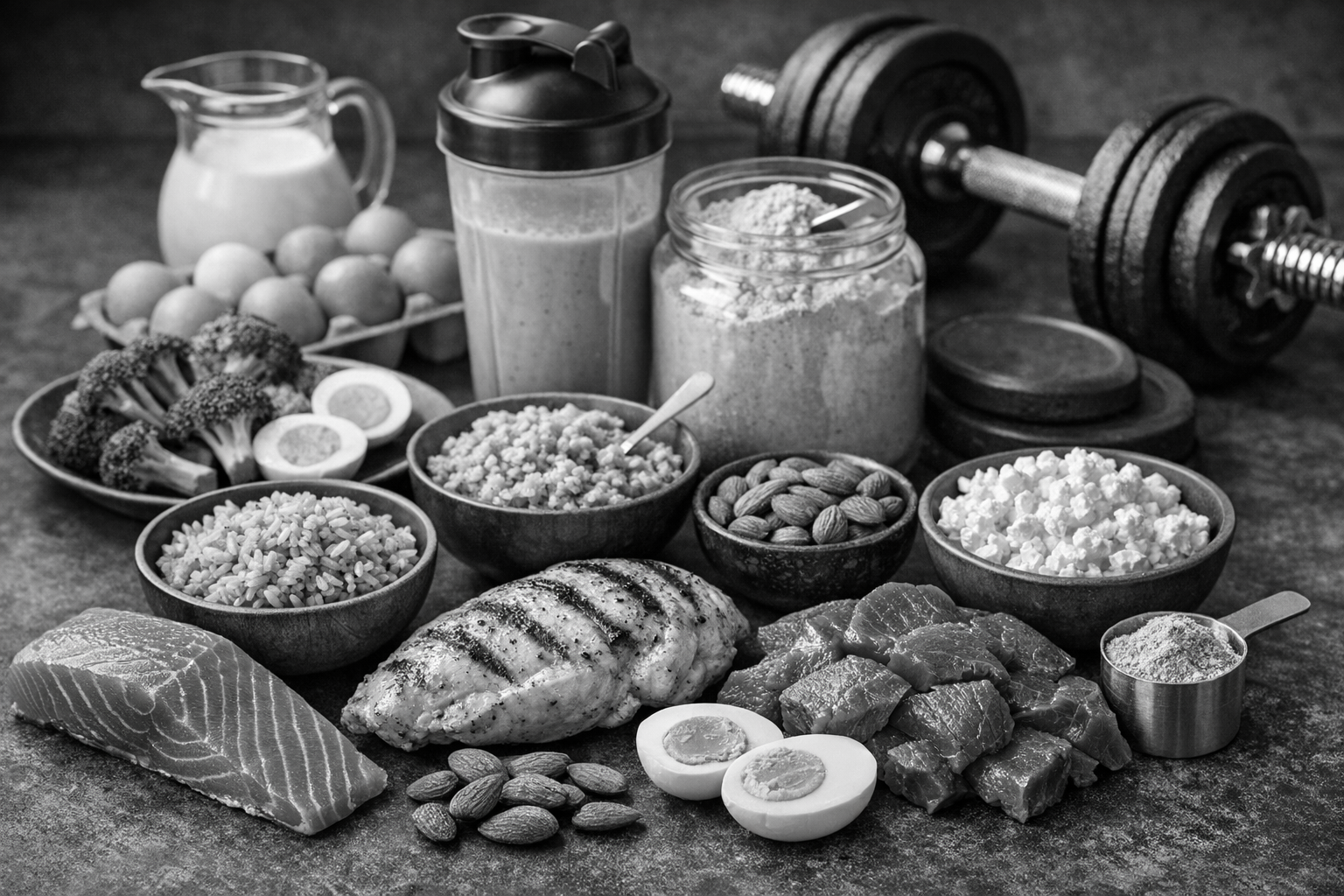
Protein is essential for repairing and building muscle. Aim to include a quality protein source in every meal and snack. Good choices include chicken, turkey, lean beef, eggs, Greek yogurt, cottage cheese, tofu, tempeh, fish, and protein shakes.
Most active people trying to gain muscle benefit from about 0.7 to 1 gram of protein per pound of body weight per day. Spreading protein across the day can help support muscle protein synthesis more effectively than eating most of it in one meal.
Carbohydrates
Carbs are your primary fuel source for hard training. They help replenish glycogen, which supports strength, endurance, and recovery. Include foods like rice, oats, potatoes, pasta, fruit, whole-grain bread, and beans in your meal plan for muscle gain.
If your workouts feel flat or your energy is low, you may need more carbs around training time. They are especially useful before and after lifting sessions.
Healthy Fats
Fats support hormone production, joint health, and overall calorie intake. Since fats are calorie-dense, they can help you eat enough if you struggle with a big appetite. Include sources like avocado, olive oil, nuts, seeds, nut butter, and fatty fish.
While fats are important, keep them balanced so they do not crowd out protein and carbs, which are also critical for muscle growth and training performance.
How to Structure a Muscle Gain Meal Plan
A good meal plan for muscle gain is simple, repeatable, and built around whole foods. Start with a calorie surplus of about 250 to 500 calories per day. This is usually enough to gain muscle while limiting excessive fat gain.
Then build each meal around three parts:
- Protein: chicken, eggs, fish, yogurt, tofu, lean beef, or protein powder
- Carbs: rice, oats, potatoes, fruit, bread, pasta, or quinoa
- Fats and produce: avocado, olive oil, nuts, vegetables, and fruit
Most people do well with three main meals and two to three snacks per day. If you have a smaller appetite, liquid calories like smoothies or shakes can make it easier to hit your daily target.
Sample Meal Plan for Muscle Gain
Here is a simple one-day example of a muscle gain meal plan:
- Breakfast: Oatmeal with milk, whey protein, banana, peanut butter, and eggs
- Snack: Greek yogurt with berries and granola
- Lunch: Grilled chicken, rice, roasted vegetables, and olive oil
- Pre-workout snack: Apple with almond butter and a protein shake
- Dinner: Salmon, sweet potatoes, salad, and avocado
- Evening snack: Cottage cheese with fruit and a handful of nuts
This plan gives you protein at every feeding, enough carbs to support training, and healthy fats to help increase total calories. You can swap foods based on preference, budget, and dietary needs.
Best Foods to Include
To make your meal plan for muscle gain easier to follow, keep these staples on hand:
- Lean meats and fish
- Eggs and egg whites
- Greek yogurt and cottage cheese
- Rice, oats, potatoes, and pasta
- Beans and lentils
- Fruit and vegetables
- Nuts, seeds, avocado, and olive oil
- Protein powder for convenience
These foods are versatile, affordable, and easy to combine into balanced meals throughout the week.
Common Mistakes to Avoid
Not Eating Enough
Many people think they are eating a surplus when they are actually not. If your weight is not increasing after two to three weeks, increase calories slightly.
Skipping Protein
Every meal should contain a meaningful protein source. Without enough protein, muscle recovery and growth can suffer.
Relying Only on Supplements
Protein powder can help, but it should supplement a solid diet, not replace it. Whole foods should still form the foundation of your nutrition.
Gaining Too Much Fat Too Fast
Eating far beyond your calorie needs may lead to unnecessary fat gain. A moderate surplus is usually the best approach for lean muscle growth.
Tips to Stay Consistent
Meal planning works best when it fits your routine. Prepare some foods in advance, keep convenient snacks available, and repeat meals you enjoy. You do not need endless variety to build muscle. You need consistency.
Track your body weight, gym performance, and energy levels to see whether your meal plan is working. If strength is improving and your weight is slowly increasing, you are likely on the right track. Adjust portion sizes as needed based on your progress.
Conclusion
A successful meal plan for muscle gain is built on enough calories, high-quality protein, smart carb intake, and healthy fats. Keep meals simple, stay consistent, and focus on steady progress rather than perfection. With the right nutrition and training, you will give your body the support it needs to grow stronger over time.