
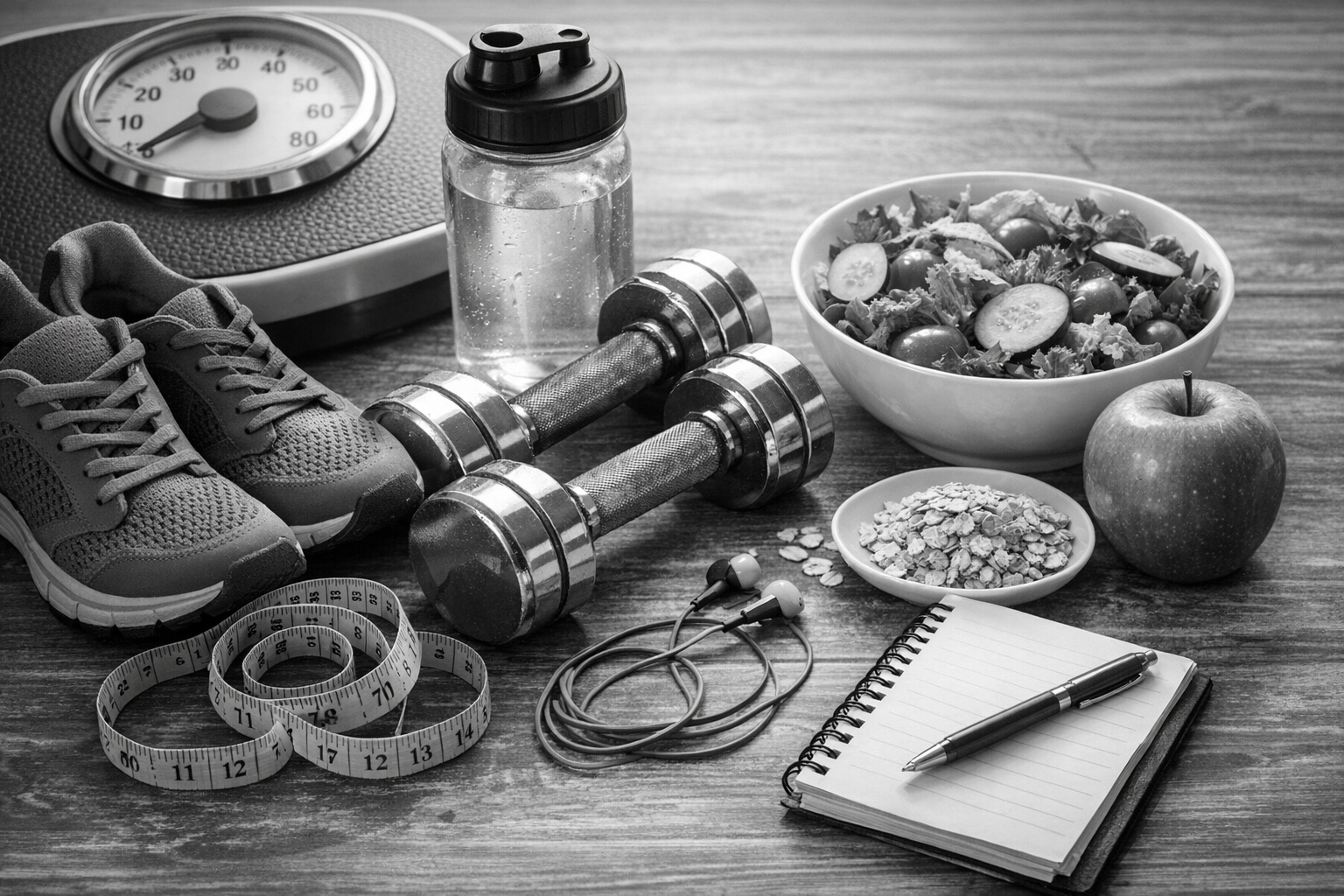
Introduction
Weight loss can feel confusing because there is no single “perfect” method that works for everyone. The good news is that sustainable results usually come from a handful of simple habits done consistently. Instead of chasing extreme diets or quick fixes, focus on small changes you can maintain over time. The tips below can help you create a healthier routine, manage cravings, and make progress without feeling deprived.
1. Start with realistic goals
One of the biggest mistakes people make is setting goals that are too aggressive. Rapid changes may feel motivating at first, but they are often difficult to sustain. A better approach is to aim for steady progress, such as losing a modest amount of weight each week or improving one habit at a time.
Try setting process goals instead of only outcome goals. For example, rather than focusing only on a number on the scale, commit to cooking at home three nights per week, drinking more water, or walking after lunch. These goals are easier to control and help build momentum.
2. Build balanced meals
What you eat plays a major role in weight loss, but balance matters more than restriction. Meals that include protein, fiber, healthy fats, and smart carbs can keep you fuller for longer and help reduce unnecessary snacking.
Focus on protein
Protein supports fullness and helps maintain muscle while you lose fat. Good options include eggs, Greek yogurt, chicken, fish, tofu, beans, and lean turkey.
Add fiber-rich foods
Fiber slows digestion and supports better appetite control. Load up on vegetables, fruit, oats, beans, lentils, and whole grains.
Don’t fear healthy fats
Avocados, nuts, seeds, and olive oil can make meals more satisfying. The key is portion awareness, since fats are calorie-dense.
3. Watch portions without obsessing
Even healthy foods can lead to weight gain if portions are consistently too large. Portion control does not mean eating tiny meals or measuring every bite forever. It simply means becoming more aware of how much you are actually consuming.
Using smaller plates, serving meals in the kitchen instead of at the table, and slowing down while eating can all help. Pay attention to hunger and fullness cues. If you often eat past the point of comfort, pause halfway through meals and check in with yourself before continuing.
4. Drink more water
Sometimes thirst is mistaken for hunger, which can lead to unnecessary snacking. Staying hydrated may help you feel more energetic, support digestion, and make it easier to manage appetite throughout the day.
Try starting your morning with a glass of water, drinking before meals, and keeping a bottle nearby. If plain water feels boring, add lemon, cucumber, mint, or drink unsweetened herbal tea. Reducing sugary drinks like soda, sweet tea, and high-calorie coffee beverages can also make a meaningful difference.
5. Move more in ways you enjoy
Exercise is helpful for weight loss, but it does not have to mean intense workouts every day. The best activity is the one you can stick with. Walking, cycling, swimming, dancing, strength training, and even gardening can all support a healthier lifestyle.
Try to reduce long periods of sitting by taking short movement breaks during the day. A daily walk after meals is a simple habit that can improve consistency. Strength training is especially valuable because it helps preserve muscle, which supports a healthy metabolism.
6. Prioritize sleep and stress management
Sleep and stress affect hunger, cravings, and energy levels. When you are tired, your body tends to crave quick energy from sugary or processed foods. Stress can also lead to emotional eating and make it harder to stick with healthy routines.
Aim for a regular sleep schedule, limit late-night scrolling, and create a calming bedtime routine. For stress relief, try deep breathing, journaling, stretching, prayer, or a short walk. Managing stress is not only good for your overall health, but it can also help you make better food choices more consistently.
7. Keep your environment supportive
Your surroundings influence your habits more than you may realize. If your kitchen is stocked with highly processed snacks, it becomes easier to overeat them. If healthy options are visible and convenient, good choices become simpler.
Make your environment work for you by prepping healthy snacks, keeping fruit on the counter, and storing less nutritious foods out of sight. Plan meals ahead when possible so you are less likely to rely on fast food or random impulse eating when you are busy.
8. Track progress in more than one way
The scale is only one measure of progress, and it can fluctuate daily due to water retention, hormones, sodium intake, and other factors. If you rely on the scale alone, you may miss important wins.
Track additional signs of progress, such as better energy, improved fitness, looser clothing, stronger workouts, or better blood sugar levels if applicable. Taking photos, measuring waist circumference, or keeping a simple habit log can also help you see changes over time.
9. Be consistent, not perfect
Long-term weight loss is built on repetition, not perfection. You do not need to eat perfectly or exercise every day to make progress. What matters most is getting back on track after a setback and avoiding the all-or-nothing mindset.
If you overeat at one meal or miss a workout, do not let it turn into an entire off-track week. Treat each choice as a new opportunity. The more often you return to your healthy habits, the easier they become.
Conclusion
Effective weight loss comes from practical habits that fit your real life. By setting realistic goals, eating balanced meals, staying active, sleeping well, and creating a supportive environment, you can make steady progress without burning out. Focus on consistency, be patient with yourself, and remember that small changes can lead to meaningful results over time.