Why Meal Prep Helps With Weight Loss
Meal prep can make weight loss feel far more manageable. When healthy meals are ready to go, you’re less likely to grab fast food, snack mindlessly, or skip meals and overeat later. Planning ahead also helps you control portions, balance your nutrients, and make better choices without relying on willpower alone.
Another big benefit is consistency. Weight loss usually comes from repeating small, healthy actions over time, and meal prep makes those actions easier to repeat. Instead of deciding what to eat when you’re tired and hungry, you already have a plan in place.
How to Meal Prep for Weight Loss
Successful meal prep for weight loss starts with a simple system. You do not need to cook every meal for the entire week or spend your whole Sunday in the kitchen. The goal is to prepare enough healthy food to support your routine and reduce last-minute stress.
Begin by choosing a few meals that are easy to repeat. Focus on recipes with lean protein, vegetables, fiber-rich carbs, and healthy fats. These ingredients help you stay full longer and make it easier to keep your calorie intake under control.
It also helps to think in terms of components rather than full recipes. For example, you can prep grilled chicken, roasted vegetables, brown rice, and a simple sauce, then mix and match them into bowls, wraps, or salads during the week.
Start With a Realistic Plan
Choose meals you actually enjoy eating. If you dislike eating the same lunch five days in a row, prep two lunch options instead of one. If mornings are hectic, focus on breakfast first. A plan that matches your routine is much more likely to stick.
Try starting with just three to four days of prep rather than a full week. This lowers the pressure and helps you build a habit without feeling overwhelmed.
Build Balanced Meals
A balanced meal for weight loss usually includes:
- Protein: chicken, turkey, eggs, Greek yogurt, tofu, fish, beans
- High-fiber vegetables: broccoli, spinach, peppers, green beans, cauliflower
- Smart carbs: brown rice, quinoa, oats, sweet potatoes, fruit
- Healthy fats: avocado, olive oil, nuts, seeds
Protein and fiber are especially important because they help you feel satisfied with fewer calories. If your meals leave you hungry soon after eating, you may need more protein, more vegetables, or a slightly larger portion of slow-digesting carbs.
Use Portion Control Wisely
Meal prep is not only about what you eat, but also how much. Pre-portioning meals into containers can help prevent overeating, especially when you are busy or eating on autopilot. You do not need to obsess over every gram, but having a general portion strategy can make a big difference.
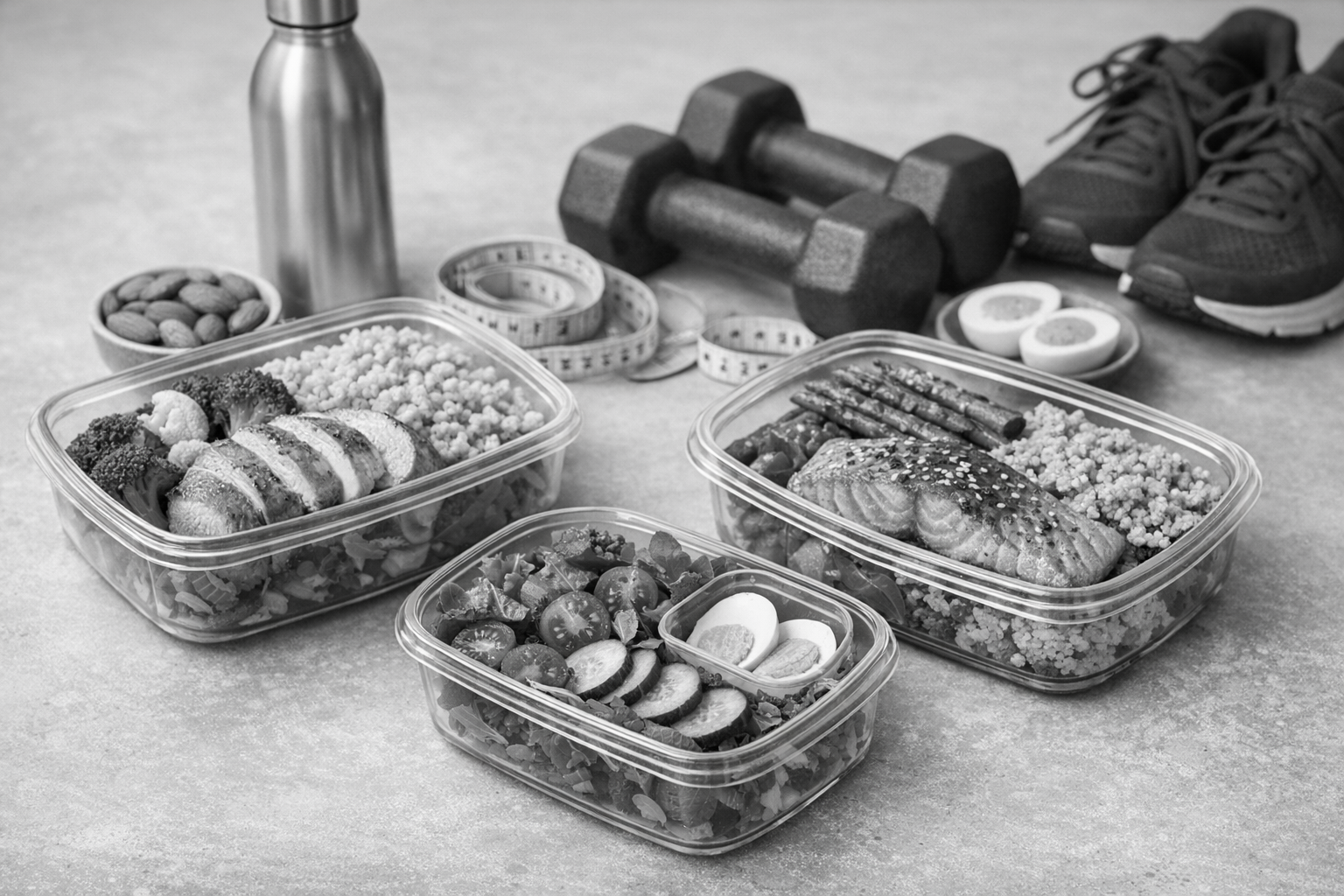
A simple approach is to fill half your container with vegetables, one quarter with protein, and one quarter with carbs. Add a small amount of fat for flavor and satiety. This gives you a balanced meal without requiring complicated calorie counting at every step.
Best Meal Prep Foods for Weight Loss
Some foods work especially well for weight loss because they are filling, versatile, and easy to prepare in advance. Choosing the right ingredients can save time and help you stay on track.
Lean Proteins
Lean proteins are meal prep staples because they support fullness and muscle maintenance. Great choices include chicken breast, turkey, eggs, tuna, shrimp, tofu, tempeh, and Greek yogurt. Cook several servings at once so you can use them in multiple meals.
Vegetables
Vegetables add volume, fiber, and nutrients with very few calories. Roast a tray of mixed vegetables, wash and chop salad greens, or prep veggie sticks for snacks. The more convenient they are, the more likely you are to eat them.
Smart Carbs
Carbs are not the enemy in a weight loss plan. In fact, the right carbs can help you feel energized and satisfied. Oats, brown rice, quinoa, sweet potatoes, beans, and fruit all fit well into a balanced meal prep routine.
Healthy Snacks
Prepping snacks can prevent impulse eating between meals. Good options include apple slices with peanut butter, hard-boiled eggs, cottage cheese, hummus with vegetables, roasted chickpeas, or a handful of nuts in a measured portion.
Simple Meal Prep Ideas
If you are new to meal prep, keep it simple. A few easy combinations can carry you through the week without making food feel boring or complicated.
- Chicken, roasted broccoli, and sweet potato
- Turkey chili with a side salad
- Greek yogurt, berries, and oats for breakfast
- Salmon, quinoa, and green beans
- Tofu stir-fry with brown rice and mixed vegetables
Batch-cooking one protein, one carb, and two vegetables can give you enough variety to build several meals. You can also switch up sauces and seasonings to keep the flavors interesting without adding much extra work.
Common Meal Prep Mistakes to Avoid
One common mistake is making meals too restrictive. If your plan feels like a punishment, you probably will not stick with it. Include foods you enjoy and leave room for flexibility.
Another mistake is prepping meals that do not reheat well or taste good after a few days. Choose recipes that hold up in the fridge, and store sauces separately when possible to keep textures fresh.
It is also easy to overcomplicate the process. You do not need a perfect meal prep system to lose weight. Even prepping a few breakfasts, lunches, or snacks can reduce stress and improve your choices throughout the week.
How to Stay Consistent
Consistency matters more than perfection. Pick a prep day, make a grocery list, and keep a small rotation of meals you know how to make. As your routine gets easier, you can add more variety or cook larger batches.
Track what works and what does not. If you notice that certain meals keep you fuller or help you avoid takeout, make those a regular part of your plan. The best meal prep strategy is the one you can maintain long term.
Conclusion
Meal prep for weight loss does not have to be complicated or time-consuming. With a realistic plan, balanced ingredients, and a few simple habits, you can make healthy eating easier and more consistent. Start small, stay flexible, and build a routine that supports your goals.