
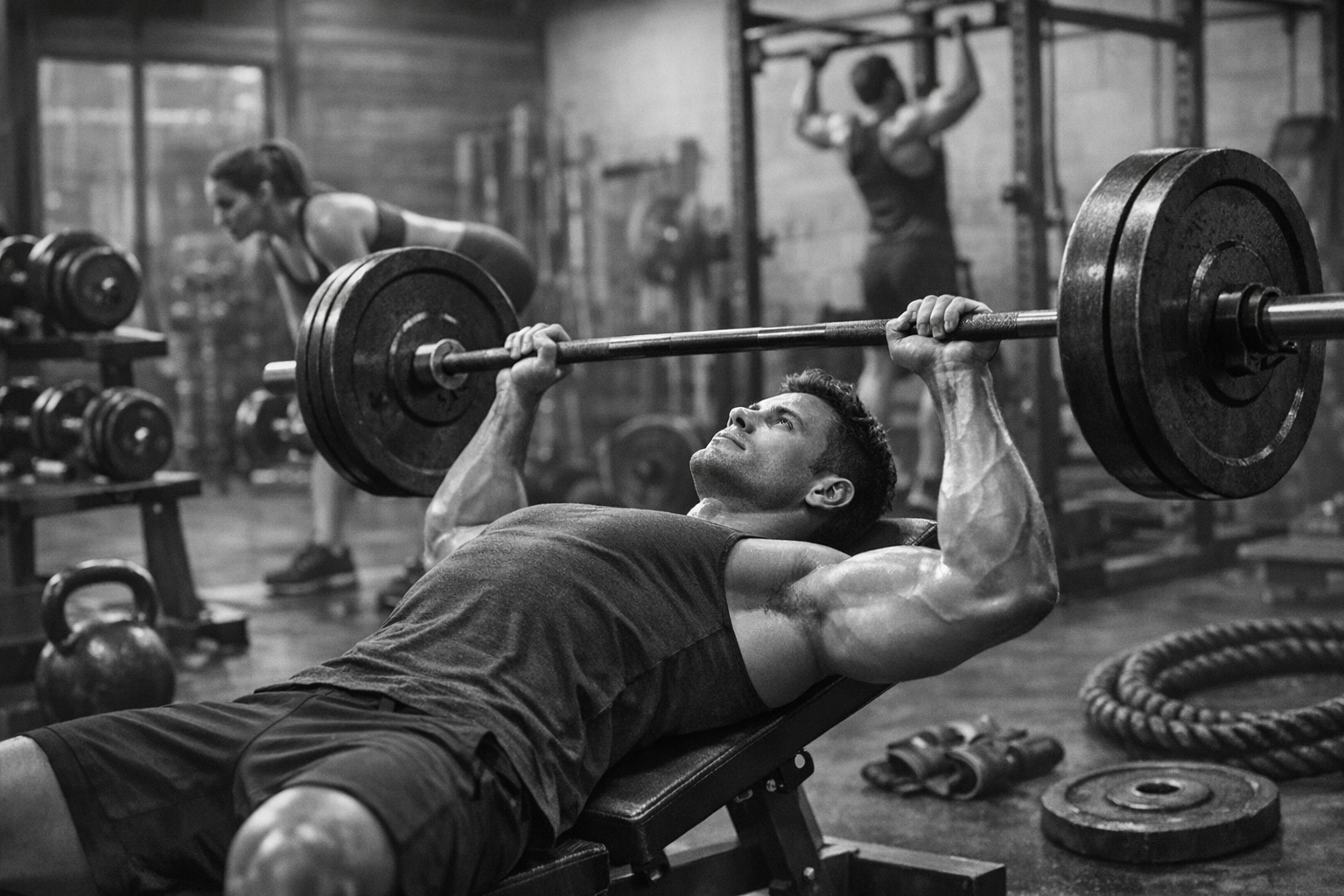
What Is Resistance Training?
Resistance training is any form of exercise that makes your muscles work against an opposing force. That force can come from dumbbells, barbells, resistance bands, weight machines, medicine balls, or even your own body weight. The goal is to challenge the muscles enough to stimulate adaptation, which leads to greater strength, improved muscle tone, better endurance, and healthier movement over time.
Unlike cardio, which primarily focuses on heart and lung fitness, resistance training is designed to strengthen the musculoskeletal system. It can be simple and accessible for beginners, or highly structured for athletes and experienced lifters. No matter the format, the basic principle is the same: apply progressive stress to the muscles so they become stronger and more capable.
One of the best things about resistance training is its flexibility. You can do it at home with minimal equipment or in a gym with a full range of machines and free weights. It can be tailored to nearly any fitness level, age, or goal.
Why Resistance Training Matters
Resistance training offers benefits that go far beyond appearance. While many people start lifting weights to build muscle or change body composition, the long-term advantages affect nearly every part of health and daily life.
First, it helps preserve and build lean muscle mass. This is especially important as we age, because muscle naturally declines over time. Maintaining muscle supports balance, mobility, and independence later in life.
Second, resistance training supports bone health. When muscles pull on bones during exercise, the bones respond by becoming stronger. This can help reduce the risk of osteoporosis and fractures.
Third, it improves metabolism. Muscle tissue is metabolically active, meaning it requires energy to maintain. While resistance training is not a magic shortcut for fat loss, it can help support a healthy body composition by increasing lean mass and preserving metabolism during weight loss.
It also improves everyday function. Carrying groceries, climbing stairs, lifting a child, and getting up from a chair all become easier when the body is stronger. Beyond the physical benefits, resistance training can also boost confidence, reduce stress, and create a sense of progress that many people find motivating.
Types of Resistance Training
There are several ways to perform resistance training, and each style has unique advantages. Choosing the right one depends on your goals, experience, and preferences.
Free Weights
Free weights include dumbbells, barbells, kettlebells, and plates. They are highly effective because they require balance, coordination, and control. Exercises like squats, deadlifts, presses, and rows are common in free-weight training. This style is great for building strength and teaching the body to move efficiently.
Machines
Weight machines guide the movement path and can be especially helpful for beginners or those recovering from injury. They make it easier to isolate specific muscles and often feel more stable than free weights. Machines can be useful for targeting areas like the legs, chest, back, and shoulders in a controlled way.
Bodyweight Training
Bodyweight exercises use your own body as resistance. Push-ups, squats, lunges, planks, and pull-ups are classic examples. This style is convenient, portable, and highly effective for improving strength, stability, and mobility. It is an excellent starting point for beginners and a valuable option for advanced training as well.
Resistance Bands
Resistance bands create tension through stretching. They are lightweight, affordable, and versatile, making them ideal for home workouts, travel, and rehabilitation exercises. Bands can be used for warm-ups, accessory work, mobility drills, and full-body training.
How to Build an Effective Resistance Training Routine
A successful resistance training routine does not need to be complicated. The best program is one you can perform consistently and progress over time.
Start by focusing on the major movement patterns: squat, hinge, push, pull, and carry. These patterns cover most everyday motions and provide a balanced foundation for strength. For example, squats train the legs, hinges strengthen the posterior chain, presses work the chest and shoulders, rows strengthen the back, and carries build core stability and grip strength.
Most beginners can start with two to three full-body sessions per week. A simple workout might include one exercise for each movement pattern, with 2 to 3 sets of 8 to 12 repetitions. As strength improves, you can gradually add weight, repetitions, sets, or training frequency. This is known as progressive overload, and it is one of the most important principles in resistance training.
Rest and recovery matter too. Muscles grow and adapt between sessions, not during the workout itself. Aim to leave at least one day between intense sessions for the same muscle groups, and prioritize sleep, hydration, and nutrition to support recovery.
Consistency is more important than perfection. A balanced routine done regularly will produce far better results than an overly ambitious plan that is difficult to maintain.
Common Mistakes to Avoid
Many people struggle with resistance training because they make a few common mistakes. One of the biggest is using poor form. Moving too quickly or lifting more weight than you can control increases the risk of injury and reduces the effectiveness of the exercise. It is better to use a manageable load and perform each rep with good technique.
Another mistake is skipping warm-ups. A few minutes of light cardio, dynamic movement, and practice sets can prepare the body for harder work and improve performance. Likewise, ignoring recovery can slow progress and lead to burnout. Training hard every day without rest is rarely productive.
Some people also focus only on one area, such as the arms or abs, while neglecting the rest of the body. A well-rounded approach creates better posture, movement, and long-term results. Finally, many beginners expect instant changes. Strength training delivers meaningful results, but they come through steady effort over weeks and months.
Getting Started Safely
If you are new to resistance training, start small and build gradually. Begin with basic movements, light resistance, and a focus on learning technique. If possible, work with a qualified coach or trainer who can help you master form and choose appropriate exercises.
Listen to your body. Mild muscle soreness is normal, especially when starting out, but sharp pain is a warning sign. If something feels wrong, stop and reassess. Proper footwear, a stable training space, and equipment that fits your level can also improve safety.
It can be helpful to track your workouts. Recording exercises, weights, sets, and repetitions makes it easier to see progress and identify when it is time to increase the challenge. Over time, those small improvements add up to significant gains.
Conclusion
Resistance training is one of the most effective ways to build strength, improve health, and support long-term physical function. Whether you use free weights, machines, bands, or bodyweight exercises, the key is to train consistently, progress gradually, and focus on good form. With a thoughtful routine and a patient mindset, resistance training can become a lasting part of a healthier, stronger lifestyle.