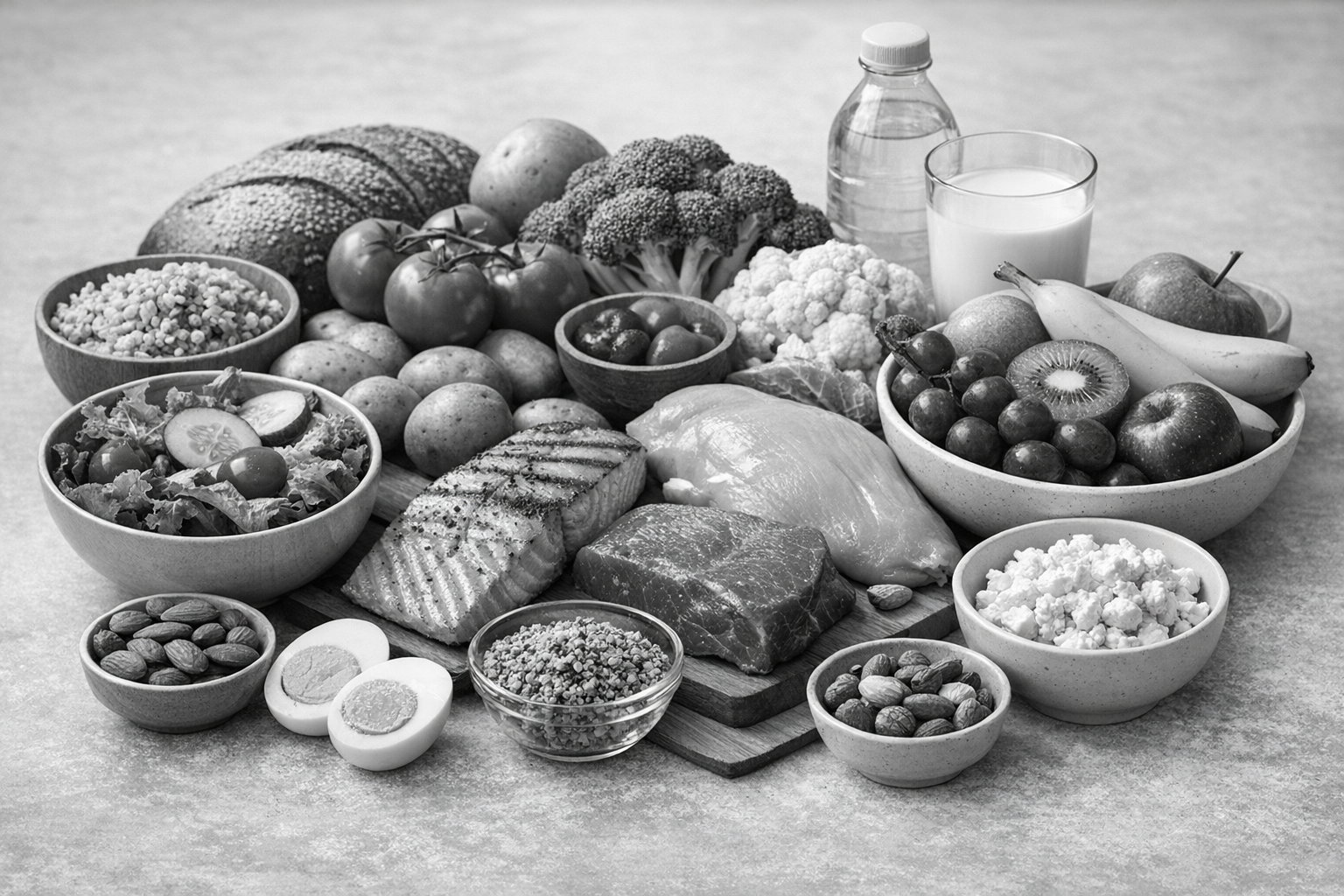
What Is a Balanced Diet?
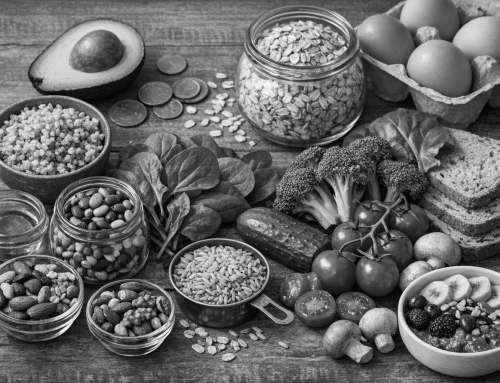
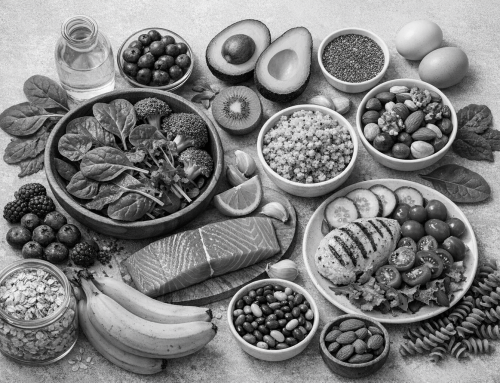
A balanced diet is one that gives your body the right mix of nutrients in the right amounts. It includes a variety of foods from all major food groups so you get the energy, vitamins, minerals, protein, fiber, and healthy fats you need to stay healthy. Rather than focusing on strict rules or cutting out entire food groups, a balanced diet emphasizes variety, moderation, and consistency.
In simple terms, eating well is not about perfection. It is about building meals that support your body, your daily activities, and your long-term health. When your diet is balanced, you are more likely to feel energized, maintain a healthy weight, and reduce your risk of nutrition-related health problems.
Why a Balanced Diet Matters
Food affects nearly every part of your health. A balanced diet helps fuel your brain, supports muscle repair, strengthens your immune system, and keeps your digestion working properly. It also plays a major role in maintaining stable blood sugar levels and healthy cholesterol.
Over time, poor eating habits can lead to fatigue, nutrient deficiencies, and an increased risk of chronic conditions such as heart disease, type 2 diabetes, and high blood pressure. On the other hand, eating a variety of nutrient-rich foods can improve mood, concentration, and overall well-being. Good nutrition is one of the most powerful tools for preventing disease and supporting a healthier life.
Core Components of a Balanced Diet
Fruits and Vegetables
Fruits and vegetables should be a major part of your daily meals. They are packed with fiber, vitamins, minerals, and antioxidants that help protect the body. Aim for a colorful variety, since different colors often reflect different nutrients. Leafy greens, berries, citrus fruits, carrots, tomatoes, broccoli, and peppers are all excellent choices.
Whole Grains
Whole grains provide steady energy and are a good source of fiber, which supports digestion and helps you feel full. Examples include oats, brown rice, quinoa, whole wheat bread, barley, and whole grain pasta. Compared with refined grains, whole grains keep more of their natural nutrients and are a better everyday choice.
Lean Protein
Protein helps build and repair tissues, maintain muscle mass, and support immune function. A balanced diet includes a mix of protein sources such as fish, chicken, eggs, beans, lentils, tofu, yogurt, nuts, and seeds. Including plant-based proteins can add fiber and variety while reducing saturated fat intake.
Healthy Fats
Not all fats are the same. Healthy fats from foods like avocados, olive oil, nuts, seeds, and fatty fish such as salmon can support heart and brain health. These fats should be included in moderation as part of a balanced diet. Try to limit trans fats and reduce excessive saturated fat from highly processed foods.
Dairy or Dairy Alternatives
Dairy foods or fortified alternatives can provide calcium, vitamin D, and protein. Options such as milk, yogurt, cheese, and fortified plant-based milks can support bone health. If you avoid dairy, choose alternatives that are fortified with key nutrients so you do not miss out on important benefits.
How to Build a Balanced Meal
Creating a balanced meal becomes easier when you use a simple structure. A helpful approach is to fill half your plate with vegetables and fruits, one quarter with lean protein, and one quarter with whole grains or starchy vegetables. Add a source of healthy fat, such as olive oil or avocado, and drink water with your meal.
For example, a balanced lunch might include grilled chicken, brown rice, roasted vegetables, and a side salad. A vegetarian option could be a lentil bowl with quinoa, spinach, tomatoes, cucumber, and tahini dressing. Breakfast could be oatmeal topped with berries, nuts, and Greek yogurt. These meals are satisfying, flexible, and nutrient-dense.
Practical Tips for Eating a Balanced Diet
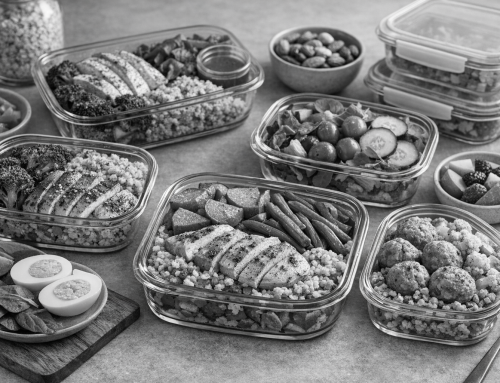
Start by planning meals around whole foods instead of heavily processed products. Keep healthy staples on hand, such as frozen vegetables, canned beans, oats, eggs, fruit, and plain yogurt. This makes it easier to prepare balanced meals quickly, even on busy days.
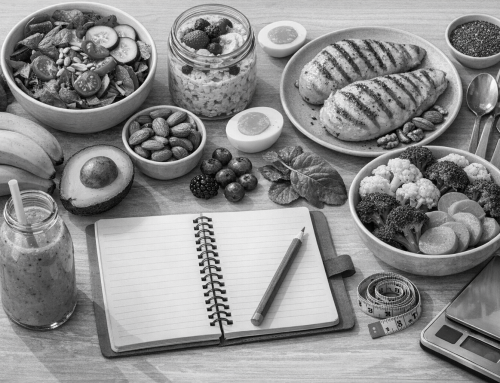
Pay attention to portion sizes, especially for calorie-dense foods like oils, cheese, nuts, and sweets. That does not mean avoiding them; it simply means enjoying them in reasonable amounts. Eating slowly and mindfully can also help you recognize hunger and fullness cues.
Try to include protein, fiber, and healthy fat in meals and snacks. This combination helps you stay satisfied longer and reduces the urge to overeat later. Also, stay hydrated throughout the day, since thirst is sometimes mistaken for hunger. Water should be your main drink, while sugary drinks are best limited.
Common Mistakes to Avoid
One common mistake is following extreme diets that eliminate entire food groups without medical reason. These plans can make it difficult to get enough nutrients and are often hard to maintain. Another mistake is relying too heavily on convenience foods, which may be high in salt, sugar, and unhealthy fats.
Skipping meals is another habit that can backfire. It often leads to intense hunger later and can make it harder to choose nutritious foods. It is also important not to get stuck eating the same meals every day. Variety matters because different foods provide different nutrients, and eating a wide range of foods helps keep your diet more complete.
Balanced Diet and Long-Term Health
A balanced diet is not a short-term fix. It is a long-term habit that supports better health over time. When combined with regular physical activity, good sleep, and stress management, healthy eating can improve quality of life and help you feel your best at any age.
Small, sustainable changes often work better than dramatic overhauls. Adding one extra serving of vegetables, choosing whole grains more often, or cooking at home a few times a week can make a real difference. The goal is to create eating habits you can stick with for life.
Conclusion
A balanced diet is one of the simplest and most effective ways to support your health. By choosing a variety of nutrient-rich foods, building well-rounded meals, and avoiding extremes, you can nourish your body and feel better every day. Focus on progress, not perfection, and make balanced eating a steady part of your routine.