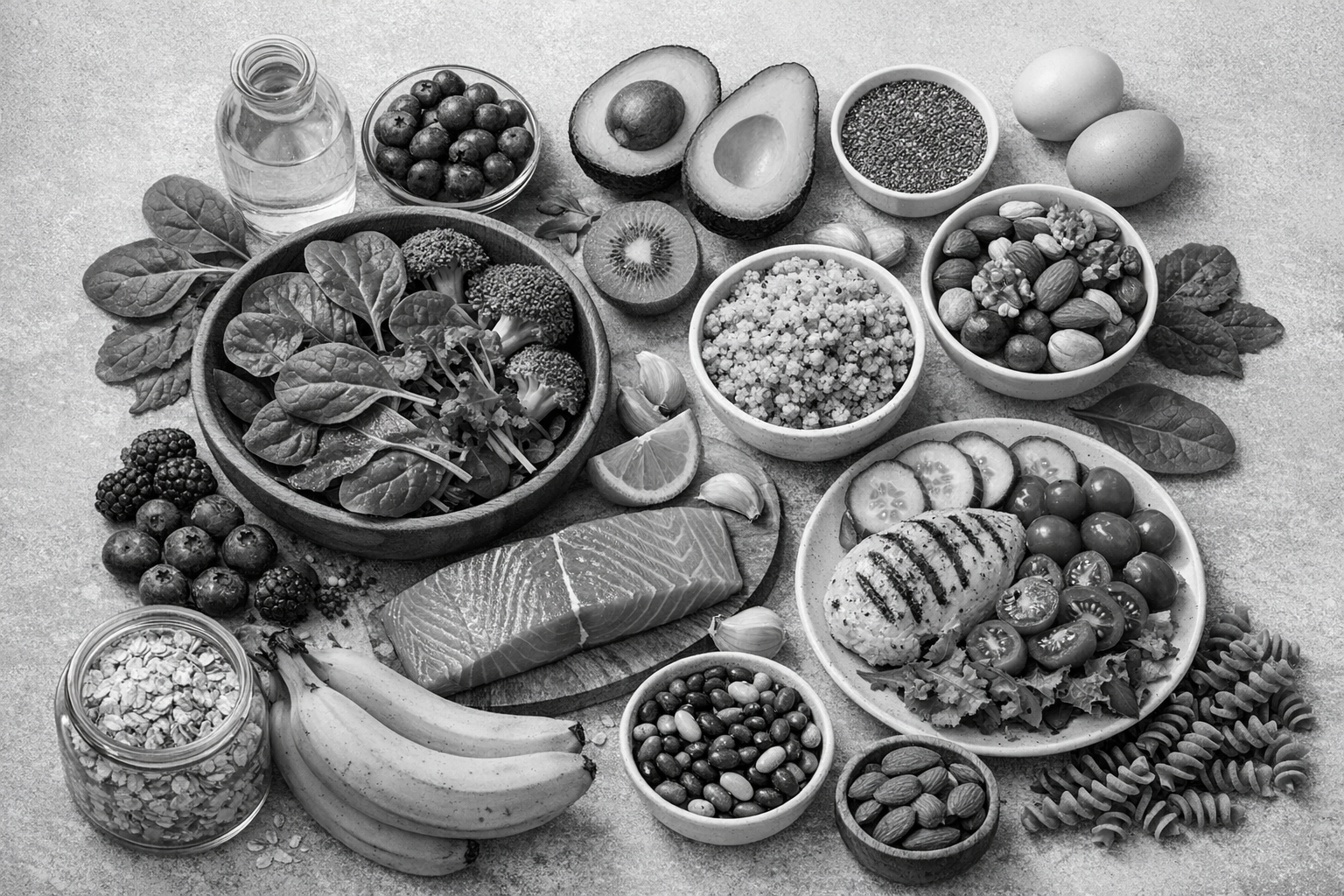
Foods for a Healthy Diet
Eating well does not have to be complicated. A healthy diet is built around nutrient-dense foods that support steady energy, good digestion, heart health, and overall well-being. The best foods for a healthy diet are those that provide vitamins, minerals, fiber, healthy fats, and quality protein while keeping added sugar, excess sodium, and heavily processed ingredients to a minimum.
The goal is not perfection. It is about making smart, sustainable choices most of the time. When your meals are built around wholesome ingredients, it becomes easier to feel satisfied, maintain a healthy weight, and support long-term health.
Why Food Quality Matters
Food quality affects far more than calories alone. Highly processed foods can be convenient, but they are often low in fiber and key nutrients. In contrast, whole foods help keep blood sugar steadier, support gut health, and provide the building blocks your body needs to function well.
Choosing better foods also makes healthy eating more enjoyable. When meals taste good and leave you feeling energized, it is much easier to maintain healthy habits over time.
Best Food Groups for a Healthy Diet
A balanced diet includes a variety of foods from several key groups. Each one plays a different role in supporting health.
1. Vegetables
Vegetables should be a foundation of most meals. They are packed with fiber, antioxidants, and essential nutrients, yet they are naturally low in calories. Leafy greens like spinach and kale, cruciferous vegetables like broccoli and cauliflower, and colorful options such as bell peppers, carrots, and tomatoes are all excellent choices.
Try to include a mix of colors throughout the week. Different colors often signal different nutrients, so variety helps you get a broader nutritional range.
2. Fruits
Fruit provides natural sweetness along with fiber, vitamin C, potassium, and antioxidants. Whole fruits are generally a better choice than fruit juice because they are more filling and less likely to cause rapid blood sugar spikes.
Berries, apples, oranges, bananas, grapes, and melon are all nutritious options. Fresh, frozen, and even canned fruit can fit into a healthy diet, as long as added sugar is limited.
3. Whole Grains
Whole grains are an important source of fiber and long-lasting energy. Unlike refined grains, whole grains keep the bran and germ, which means they retain more nutrients. Good examples include oats, quinoa, brown rice, barley, whole wheat bread, and whole grain pasta.
These foods can help with digestion, support heart health, and make meals more satisfying. Pair them with vegetables and protein for a balanced plate.
4. Lean Protein Foods
Protein helps build and repair tissues, supports immune function, and keeps you feeling full. Healthy protein choices include fish, skinless poultry, eggs, beans, lentils, tofu, edamame, Greek yogurt, cottage cheese, and lean cuts of meat.
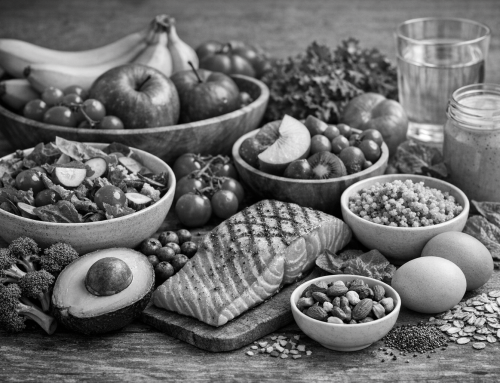
Plant-based proteins are especially valuable because they often provide fiber and other beneficial nutrients. Fatty fish like salmon, sardines, and trout are also great options because they contain omega-3 fats, which support heart and brain health.
5. Healthy Fats
Not all fats are equal. Healthy fats support hormone production, brain function, and nutrient absorption. Focus on sources like avocados, nuts, seeds, olive oil, and fatty fish.
These fats can be included in meals and snacks in moderation. For example, add avocado to toast, olive oil to roasted vegetables, or a handful of nuts to yogurt or oatmeal.
6. Dairy or Fortified Alternatives
Dairy foods and fortified plant-based alternatives can provide calcium, vitamin D, protein, and other nutrients important for bone health. Choices include milk, yogurt, kefir, and fortified soy, almond, or oat beverages.
When choosing packaged alternatives, check labels for added sugars and make sure the product is fortified if you rely on it as a main nutrient source.
Foods to Limit
Healthy eating is not only about what to add. It also helps to limit foods that can crowd out more nutritious choices. Highly processed snacks, sugary drinks, desserts with large amounts of added sugar, and foods high in refined flour and unhealthy fats can make it harder to maintain balance.
This does not mean you can never enjoy them. Instead, aim to make them occasional choices rather than everyday staples. Reading labels and cooking more at home can make it easier to reduce these foods without feeling deprived.
How to Build a Healthy Plate
A simple way to create balanced meals is to use the plate method. Fill half your plate with vegetables and fruit, one quarter with lean protein, and one quarter with whole grains or starchy vegetables. Add a small amount of healthy fat if needed, such as olive oil, seeds, or avocado.
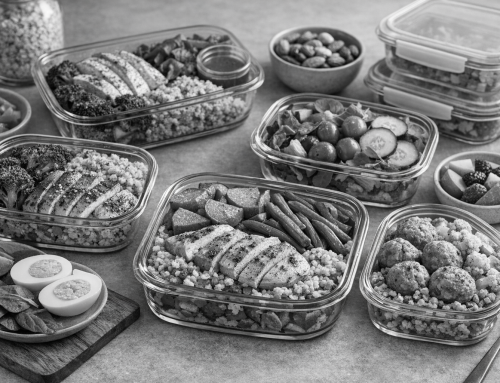
This approach works well for lunch, dinner, and even some breakfasts. For example, try oatmeal topped with berries and nuts, a grain bowl with vegetables and chicken, or a dinner plate with salmon, brown rice, and roasted broccoli.
Practical Tips for Eating Well Every Day
- Keep healthy snacks on hand, such as fruit, yogurt, nuts, or hummus with vegetables.
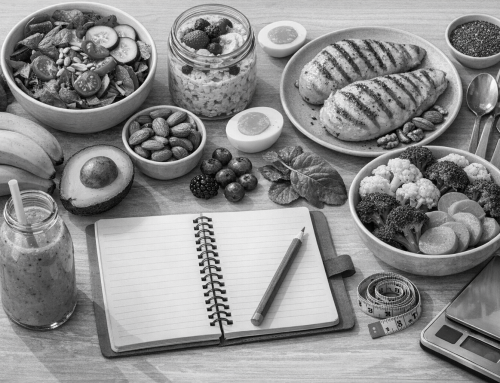
- Plan meals in advance to reduce last-minute fast-food decisions.
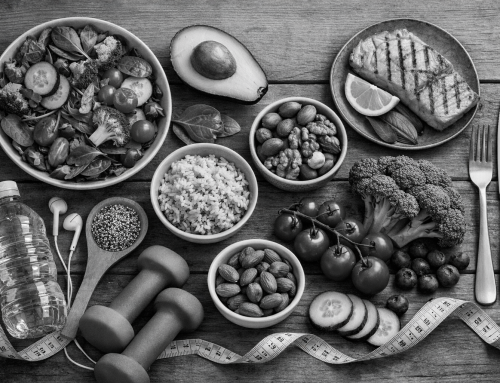
- Choose water, sparkling water, or unsweetened tea instead of sugary drinks.
- Cook at home more often so you can control ingredients and portions.
- Shop with a list to stay focused on nutrient-rich foods.
Small habits can create big results over time. You do not need a perfect meal plan to eat well; you just need a few reliable routines that make healthy choices easier.
Conclusion
The best foods for a healthy diet are mostly whole, minimally processed, and full of nutrients. By focusing on vegetables, fruits, whole grains, lean proteins, healthy fats, and smart dairy choices, you can build meals that support your energy and long-term health. Start with small changes, stay consistent, and aim for balance rather than restriction.