Why Meal Prep Helps You Eat Healthier
Meal prep is one of the easiest ways to make healthy eating feel manageable. When meals and snacks are planned ahead of time, you are far less likely to rely on fast food, random convenience items, or whatever happens to be in the pantry. Instead of making food decisions when you are already hungry and tired, you can choose nourishing options in advance.
It also saves time, reduces stress, and can help you stick to your health goals with less effort. Whether your goal is to eat more vegetables, control portions, save money, or simply feel better during the week, meal prep gives you a practical system to stay on track.
How to Start Meal Prepping Without Feeling Overwhelmed
You do not need a full Sunday marathon in the kitchen to start meal prepping. The best approach is the one you can maintain consistently. Begin with one or two meals, such as lunches for work or dinners for busy weeknights, and build from there.
A helpful first step is to look at your schedule for the week. Identify days that will be especially busy and plan simple meals for those times. Then choose recipes that share ingredients so shopping and prep become easier. For example, if you buy chicken, rice, spinach, and bell peppers, you can use them in bowls, wraps, and salads throughout the week.
Keep your system simple at first. A basic meal prep routine might include:
- Choosing 2-3 meals to prep
- Making a grocery list based on those meals
- Cooking proteins, grains, and vegetables in batches
- Portioning food into containers for easy grab-and-go meals
Build Balanced Meals That Actually Keep You Full
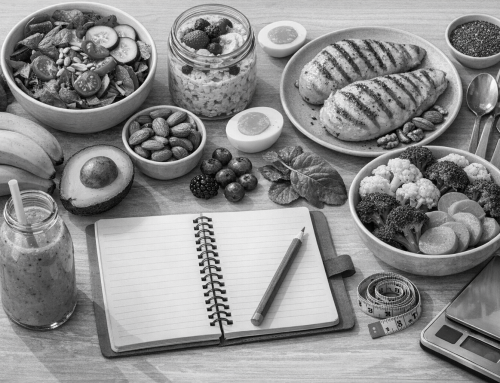
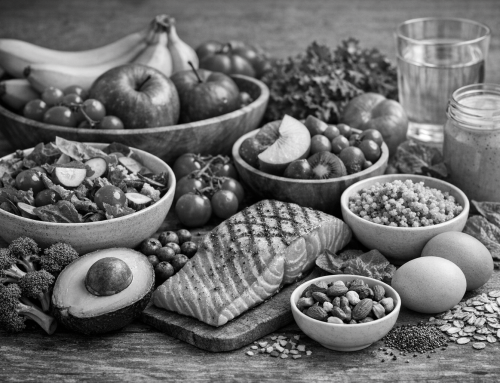
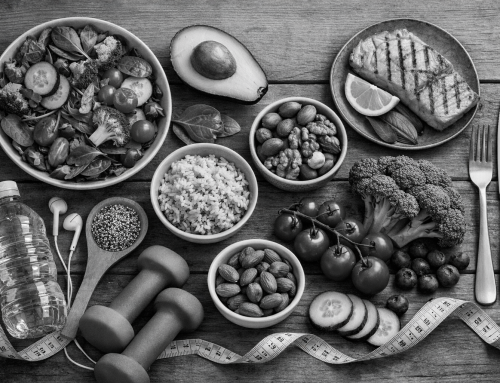
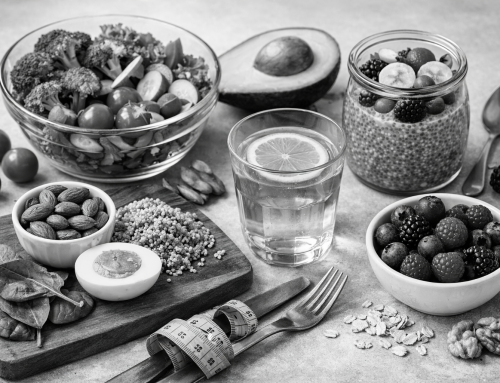
Healthy eating is easier to maintain when meals are satisfying. A balanced meal usually includes protein, fiber-rich carbohydrates, healthy fats, and plenty of color from fruits or vegetables. This combination helps keep hunger under control and supports steady energy throughout the day.
Use the following structure as a simple guide:
- Protein: chicken, turkey, eggs, tofu, beans, Greek yogurt, salmon
- Carbohydrates: brown rice, quinoa, oats, sweet potatoes, whole-grain pasta, fruit
- Vegetables: broccoli, spinach, carrots, peppers, zucchini, cauliflower
- Healthy fats: avocado, nuts, seeds, olive oil, nut butter
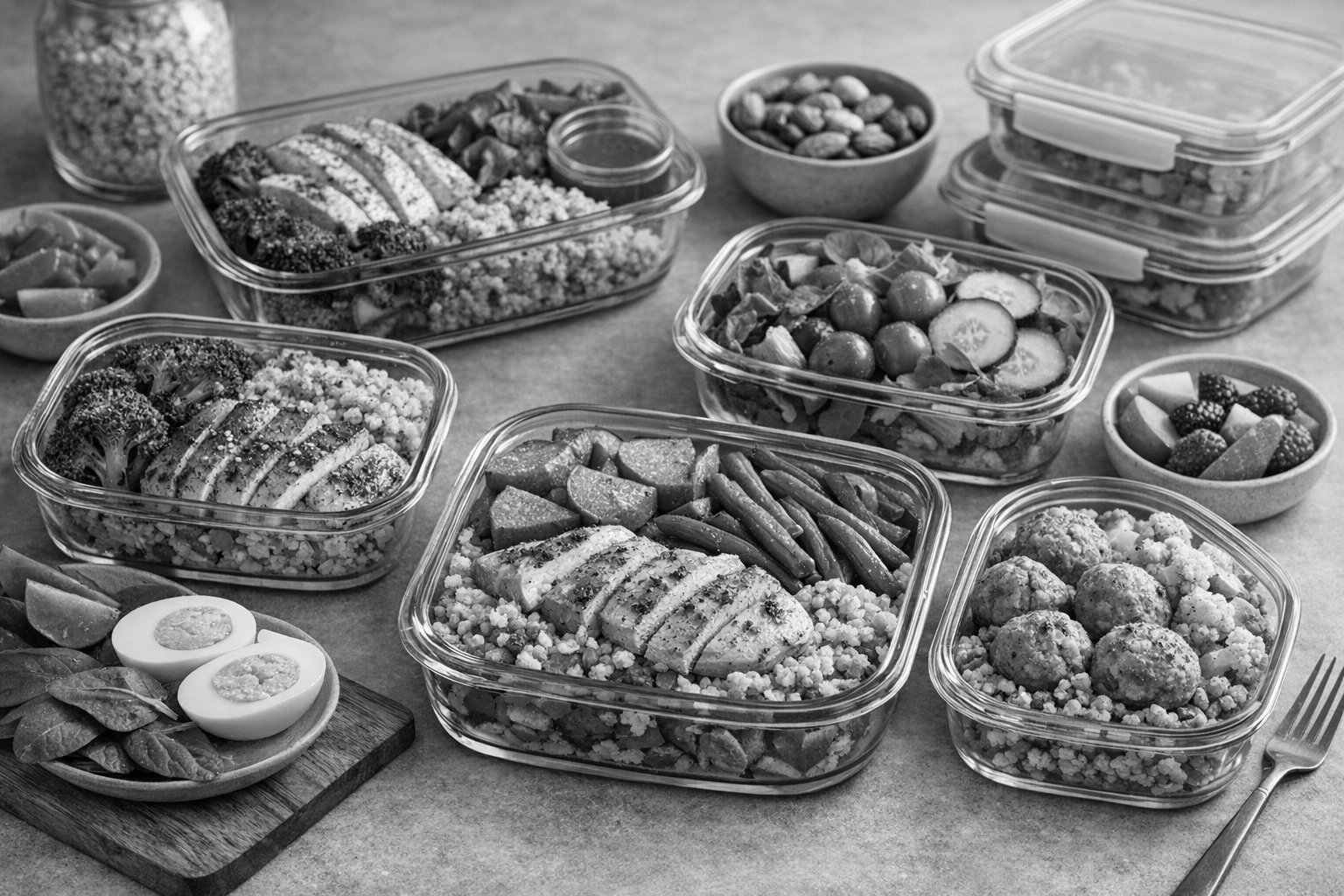
For example, a meal prep bowl might include grilled chicken, quinoa, roasted broccoli, and a drizzle of olive oil or tahini. Another option could be overnight oats topped with Greek yogurt, berries, and chia seeds. These types of meals are easy to assemble, nutrient-dense, and satisfying enough to prevent snacking from taking over your day.
Best Foods for Easy and Healthy Meal Prep
The best meal prep foods are versatile, store well, and taste good after reheating or chilling. Choosing ingredients that work in multiple recipes can make your prep feel much easier and less repetitive.
Some of the most meal-prep-friendly foods include:
- Proteins: baked chicken breast, ground turkey, hard-boiled eggs, tofu, canned tuna, lentils
- Grains: brown rice, quinoa, farro, oats, whole-wheat pasta
- Vegetables: roasted sweet potatoes, broccoli, green beans, carrots, bell peppers, cabbage
- Fruits: apples, berries, oranges, grapes, bananas
- Snack items: hummus, yogurt, nuts, cottage cheese, chopped veggies
Try to mix fresh items with cooked ones. Fresh fruit, salad greens, or sliced cucumbers can add crunch and variety to meals that were prepared earlier in the week. This balance keeps your food from feeling boring while still being practical.
Time-Saving Meal Prep Tips for Busy Weeks
Meal prep works best when it fits into your real life. The goal is not to create a picture-perfect kitchen project; it is to make healthy eating easier on your busiest days. Small shortcuts can save a surprising amount of time.
Here are a few time-saving strategies:
- Use sheet-pan meals: Roast protein and vegetables together on one pan for easy cleanup.
- Cook in batches: Prepare larger portions of staples like rice, beans, or chicken to use in several meals.
- Use pre-cut produce: Frozen or pre-chopped vegetables can reduce prep time without sacrificing nutrition.
- Double recipes: Make extra soup, chili, or casserole and freeze leftovers for later.
- Prep ingredients instead of full meals: If you get bored easily, chop vegetables and cook proteins ahead of time so you can mix and match during the week.
It also helps to set a routine. Some people prep on Sundays, while others do a quick midweek reset. Find the timing that feels sustainable, not stressful.
How to Store Meal Prep Safely and Keep It Fresh
Good storage makes meal prep more effective and helps food stay safe and appetizing. Invest in a few quality containers that seal well and are easy to stack in the fridge. Clear containers can be especially useful because they let you see what is available at a glance.
Keep these storage basics in mind:
- Cool cooked food before refrigerating it
- Store meals in airtight containers
- Label containers with dates if needed
- Keep sauces separate when possible to prevent sogginess
- Freeze extras you will not eat within a few days
For best quality, plan to eat most refrigerated meal prep within 3 to 4 days. If you are prepping for later in the week, freezing some portions can help reduce waste and keep meals tasting fresh.
Conclusion
Meal prep for healthy eating does not have to be complicated. Start small, choose balanced ingredients, and create a routine that works for your schedule. With a little planning, you can make healthier choices feel easier, save time during the week, and enjoy meals that support your goals.