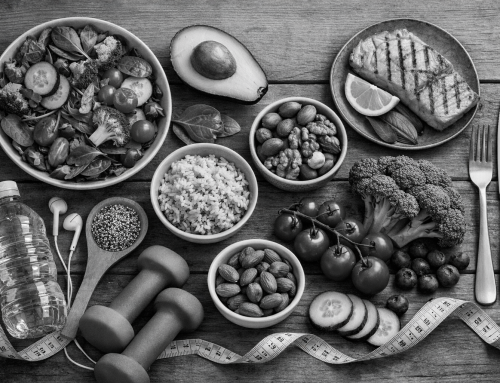

Why a healthy eating plan matters
A healthy eating plan is one of the most effective ways to support long-term energy, manage weight, and reduce the risk of chronic disease. Rather than focusing on restrictive diets or short-term fixes, a good plan helps you build balanced habits you can follow consistently. When you eat well most of the time, you give your body the nutrients it needs to function at its best.
Healthy eating is also about more than just calories. The quality of your food choices matters. A thoughtful eating plan can improve digestion, stabilize blood sugar, support heart health, and even help with mood and focus. The goal is not perfection, but progress through small, realistic changes.
Key principles of a healthy eating plan
The best healthy eating plan is simple, flexible, and built around whole foods. Instead of eliminating entire food groups, aim to create meals that are satisfying and nutrient-dense. A balanced approach makes it easier to stick with healthy habits over time.
Focus on whole foods
Whole foods are minimally processed and naturally rich in vitamins, minerals, fiber, and antioxidants. These include vegetables, fruits, whole grains, beans, nuts, seeds, lean proteins, and healthy fats. The more often you choose whole foods, the easier it becomes to meet your nutritional needs without relying on heavily processed products.
Balance macronutrients
A healthy plate usually includes carbohydrates, protein, and fat. Carbohydrates provide energy, protein supports muscle repair and fullness, and fat helps with hormone production and nutrient absorption. Including all three at meals can help prevent energy crashes and keep you feeling satisfied longer.
Prioritize fiber and hydration
Fiber supports digestion, helps regulate blood sugar, and promotes fullness. Good sources include vegetables, fruits, legumes, oats, and whole grains. Hydration is just as important. Water helps your body regulate temperature, transport nutrients, and maintain energy levels throughout the day.
How to build a balanced meal
One of the easiest ways to follow a healthy eating plan is to use a simple meal formula. This removes the guesswork and makes meal planning much more manageable. A balanced meal does not need to be complicated or expensive.
A helpful method is to fill half your plate with non-starchy vegetables, one quarter with lean protein, and one quarter with high-fiber carbohydrates. Add a small serving of healthy fat when needed. This structure works for lunch, dinner, and even some breakfasts.
- Vegetables: leafy greens, broccoli, peppers, carrots, tomatoes
- Protein: chicken, fish, eggs, tofu, beans, Greek yogurt
- Carbohydrates: brown rice, quinoa, oats, sweet potatoes, whole grain bread
- Healthy fats: avocado, olive oil, nuts, seeds
For example, a balanced dinner might include grilled salmon, roasted vegetables, quinoa, and a drizzle of olive oil. A breakfast could be oatmeal topped with berries, chia seeds, and Greek yogurt. Simple combinations like these make healthy eating more realistic.
Foods to include more often
Rather than thinking about what to cut out, it is often more helpful to focus on what to add in. Building your meals around nutrient-rich foods gives you more energy and better overall nutrition.
- Vegetables: Aim to eat a variety of colors each day for a wider range of nutrients.
- Fruits: Fresh, frozen, and dried fruit can all fit into a healthy plan.
- Whole grains: Choose oats, brown rice, whole wheat pasta, barley, and quinoa.
- Lean proteins: Include fish, poultry, eggs, beans, lentils, and tofu.
- Healthy fats: Use nuts, seeds, olives, and avocado in moderation.
- Low-fat or unsweetened dairy: Milk, yogurt, and kefir can provide calcium and protein.
These foods are satisfying, versatile, and easy to use in everyday meals. Over time, they can crowd out less nutritious choices without making your diet feel restrictive.
Foods to limit
A healthy eating plan does not require complete elimination of favorite foods, but it is smart to limit items that can undermine your nutrition goals when eaten too often. Highly processed foods tend to be high in added sugar, sodium, and unhealthy fats while offering fewer nutrients.
Try to reduce:
- Sugary drinks such as soda and energy drinks
- Heavily processed snacks and packaged desserts
- Fried foods and fast food eaten frequently
- Refined grains with little fiber
- Foods with excessive added sugar or sodium
Instead of labeling foods as “bad,” think about frequency and portion size. Enjoying treats occasionally is part of a sustainable healthy lifestyle. The key is making nutritious foods the foundation of your routine.
Tips for staying consistent
Consistency is often the hardest part of any healthy eating plan. Life gets busy, routines change, and motivation can fade. The good news is that small, practical habits can make healthy eating much easier to maintain.
Plan ahead
Meal planning does not have to be elaborate. Even choosing a few breakfasts, lunches, or dinners in advance can save time and reduce impulse choices. Keeping a grocery list based on your weekly meals also helps you stay organized.
Keep healthy staples on hand
Stock your kitchen with foods that make quick meals possible. Frozen vegetables, canned beans, eggs, oats, fruit, whole grain bread, and yogurt can be the base for many nutritious meals and snacks.
Start with small changes
Trying to overhaul your entire diet at once can feel overwhelming. Instead, make one or two changes at a time. For example, add a vegetable to lunch, swap sugary drinks for water, or choose whole grain bread more often. Small wins add up.
Listen to your body
Healthy eating should support your needs, not make you feel deprived. Pay attention to hunger, fullness, and how different foods affect your energy. This awareness can help you make better choices without relying on strict rules.
Conclusion
A healthy eating plan is not about perfection or punishment. It is about creating a balanced, sustainable way of eating that supports your health and fits your life. By focusing on whole foods, balanced meals, and realistic habits, you can build a plan that works for the long term. Start small, stay consistent, and remember that every healthy choice counts.