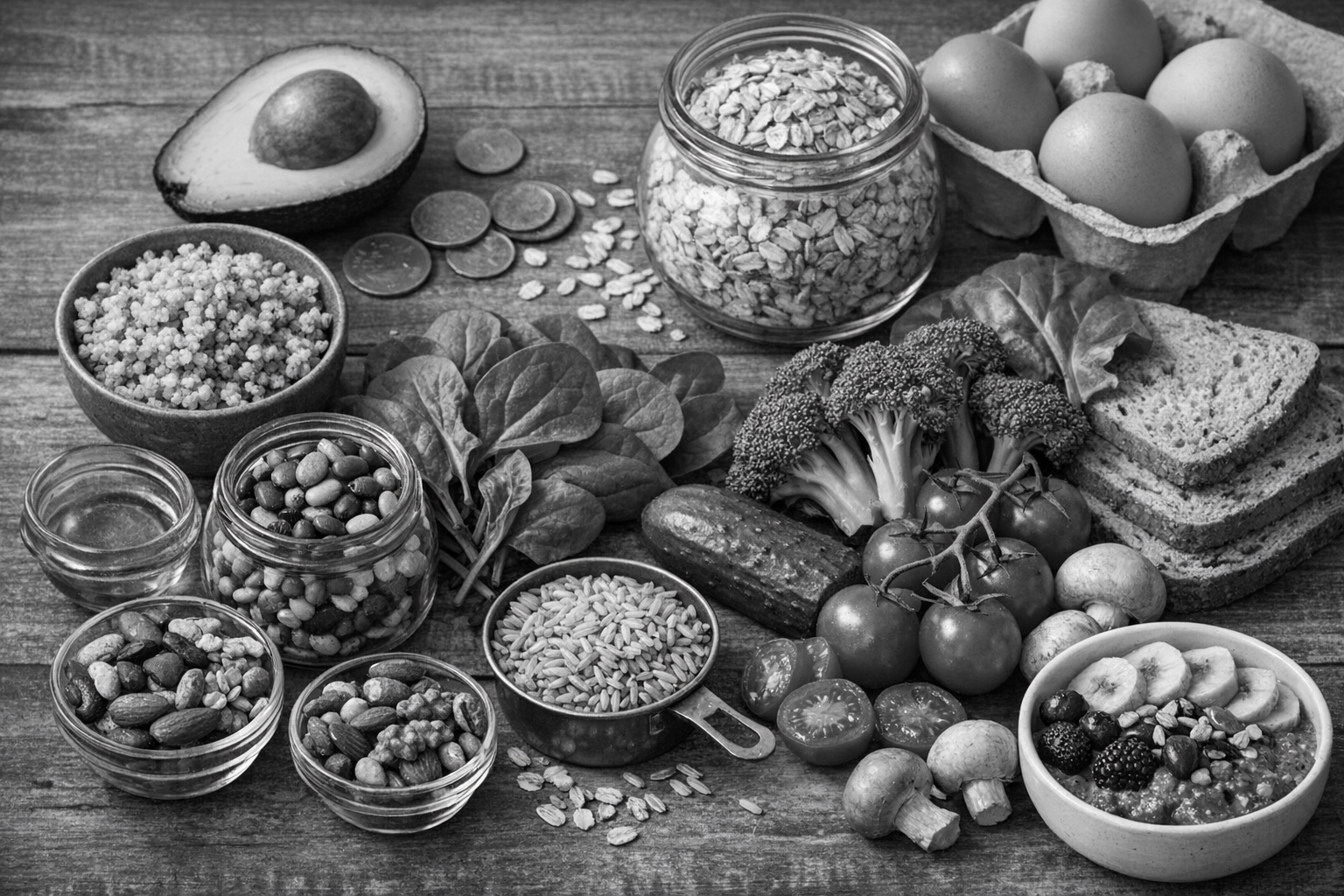
Healthy Eating on a Budget
Eating well does not have to mean spending a lot. In fact, some of the healthiest foods—beans, oats, eggs, frozen vegetables, brown rice, and seasonal produce—are also among the most affordable. The key is learning how to shop, cook, and plan in a way that stretches your money while still giving your body the nutrients it needs.
If your grocery bill feels out of control, you are not alone. Many people assume healthy eating is expensive because packaged “health foods” and convenient takeout can add up quickly. But with a few practical habits, you can build balanced meals, reduce food waste, and make your budget work harder.
Plan Your Meals Before You Shop
Meal planning is one of the most effective ways to save money on groceries. When you know what you are going to cook for the week, you are less likely to buy extras that go unused.
Start with what you already have
Before making a shopping list, check your pantry, fridge, and freezer. Build meals around ingredients you already own, such as rice, pasta, canned tomatoes, or frozen vegetables. This helps prevent waste and cuts down on duplicate purchases.
Choose simple recipes with shared ingredients
Pick meals that reuse the same core items in different ways. For example, roasted chicken can become wraps, soups, or rice bowls later in the week. Shared ingredients make shopping easier and help you use everything you buy.
Make a list and stick to it
Shopping with a list can keep you focused and reduce impulse buys. A clear plan makes it easier to stay within budget while still covering your nutritional needs.
Buy Affordable Nutrient-Dense Foods
Healthy eating on a budget works best when you focus on foods that offer the most nutrition for the price. Many budget-friendly staples are versatile, filling, and easy to prepare.
Budget-friendly staples to keep on hand
- Beans and lentils
- Oats
- Brown rice or whole wheat pasta
- Eggs
- Peanut butter
- Plain yogurt
- Frozen fruits and vegetables
- Canned tuna or salmon
- Potatoes and sweet potatoes
These foods are rich in protein, fiber, vitamins, and minerals. They also help keep you full, which can reduce the urge to snack on less nutritious options.
Compare unit prices
When shopping, look at the unit price rather than just the sticker price. Sometimes the larger package costs less per serving, making it the better deal. This is especially helpful for staples like rice, oats, beans, and frozen vegetables.
Shop Smart for Produce
Fresh fruits and vegetables are essential for a healthy diet, but they do not have to be expensive. A few simple strategies can help you get more produce for less.
Choose seasonal items
Seasonal fruits and vegetables are often cheaper and taste better. In-season produce usually has a better supply, which lowers prices. If you are unsure what is in season, look for weekly sales at your local grocery store.
Don’t overlook frozen and canned options
Frozen fruits and vegetables are picked at peak ripeness and can be just as nutritious as fresh produce. They also last longer, which means less waste. Canned vegetables and beans can be a budget-friendly choice too—just choose low-sodium options when possible.
Use every part of what you buy
Store produce properly so it stays fresh longer. Use leftover vegetables in omelets, soups, stir-fries, and grain bowls. The more flexible you are, the more likely you are to use everything before it spoils.
Cook More at Home
Restaurant meals, delivery, and pre-packaged convenience foods are usually much more expensive than homemade meals. Cooking at home gives you control over ingredients, portions, and cost.
Batch cook and freeze leftovers
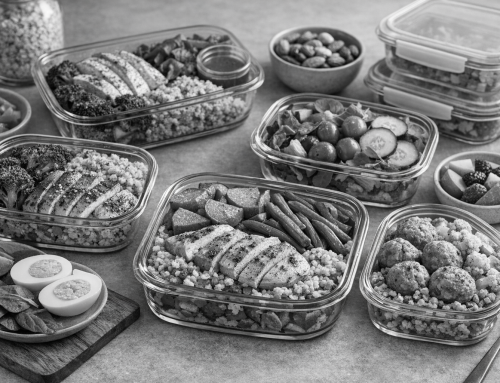
Making large portions can save time and money. Cook soups, chili, casseroles, or grain bowls in batches and freeze extras for busy days. This reduces the temptation to order takeout when you are short on time.
Keep meals simple
You do not need complicated recipes to eat well. A healthy plate can be as simple as protein, whole grains, and vegetables. For example, eggs with toast and fruit, lentil soup with salad, or chicken with rice and broccoli are all balanced, affordable meals.
Use inexpensive flavor boosters
Spices, garlic, onions, lemon juice, vinegar, and herbs can make basic ingredients taste great without adding much to your bill. Building flavor at home helps simple meals feel more satisfying.
Reduce Food Waste
Food waste is money waste. Small habits can make a big difference in how far your grocery budget goes.
Store food properly
Keep items where they will last the longest. Refrigerate produce that needs it, seal dry goods tightly, and label leftovers with dates. A well-organized fridge makes it easier to see what needs to be used first.
Repurpose leftovers
Leftovers do not have to feel repetitive. Turn roasted vegetables into a pasta dish, leftover chicken into soup, or extra rice into a stir-fry. Creative reuse keeps meals interesting and prevents food from being thrown away.
Understand expiration labels
“Best by” dates are often about quality, not safety. Learning the difference can help you avoid tossing food too early. Use your senses—look, smell, and check texture—before deciding whether something is still good.
Conclusion
Healthy eating on a budget is completely possible with a little planning and a few smart habits. By focusing on affordable staples, shopping strategically, cooking at home, and reducing waste, you can eat well without overspending. Start with small changes, stay consistent, and remember that nourishing your body does not have to strain your wallet.