Custom Fitness Plans: A Smarter Way to Reach Your Goals
When it comes to getting fit, there is no single routine that works for everyone. A plan that helps one person build muscle, lose weight, or improve endurance may not suit someone else at all. That is why custom fitness plans have become such a powerful approach. Instead of following a generic workout template, you create a program built around your body, goals, schedule, and preferences.
Custom fitness plans are not just for athletes or experienced gym-goers. They can help beginners stay consistent, busy professionals fit exercise into their day, and anyone with unique needs avoid frustration and burnout. If you want better results and a routine you can actually maintain, a personalized approach is often the best place to start.
What Is a Custom Fitness Plan?
A custom fitness plan is a workout and lifestyle strategy designed around a specific person. It considers factors like current fitness level, health history, available equipment, preferred activities, and long-term goals. Rather than asking you to fit into a rigid program, it fits the program to you.
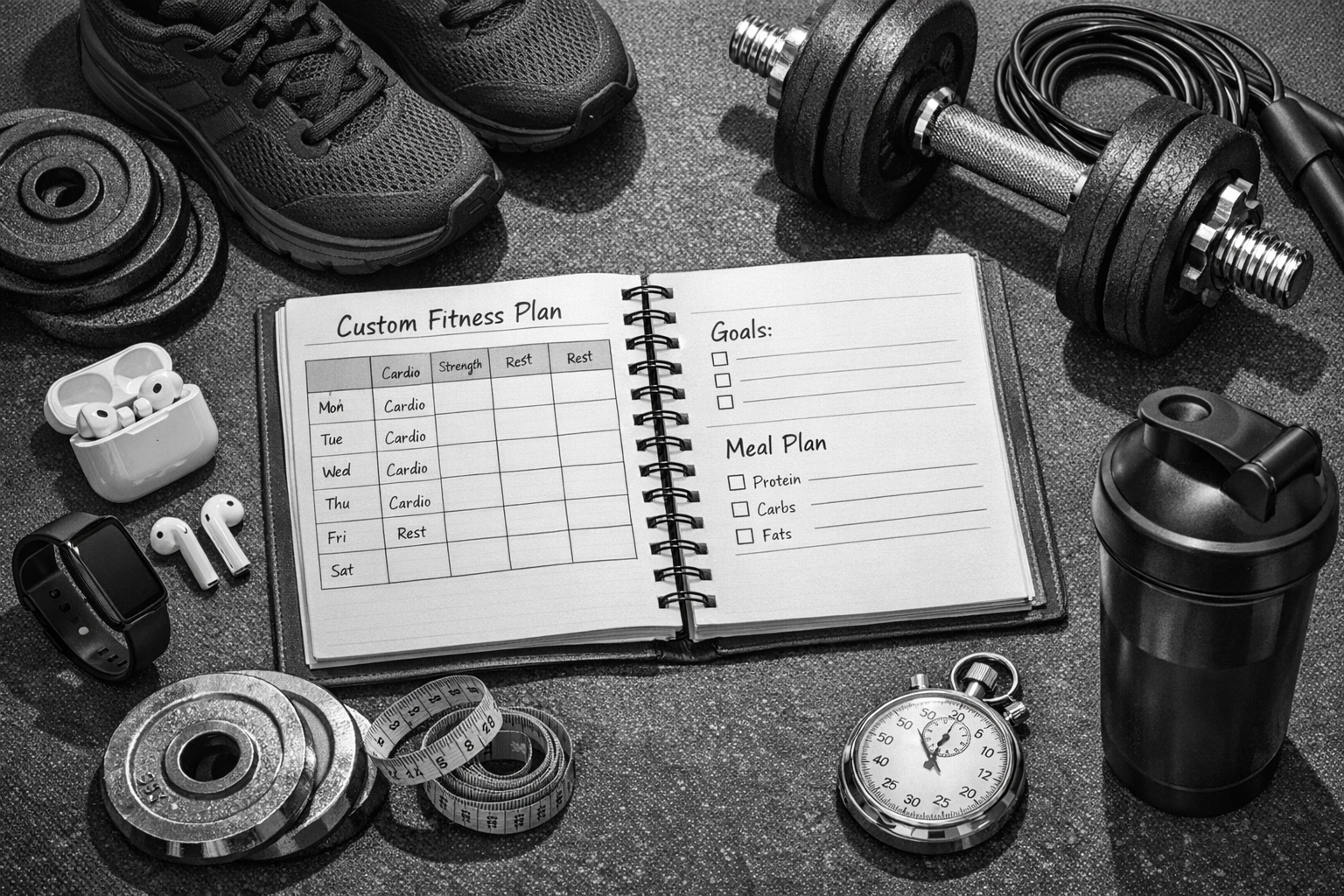
This kind of plan may include strength training, cardio, mobility work, recovery days, and nutrition guidance. Some plans are created with the help of a trainer or coach, while others are built using an honest self-assessment and smart goal-setting. The key is personalization.
Why Custom Fitness Plans Work Better
Generic plans often fail because they ignore the realities of everyday life. A custom plan improves your chances of success by making your routine realistic and relevant. Here are a few reasons it works so well:
- Better adherence: You are more likely to stick with workouts you enjoy and can manage consistently.
- Improved safety: Plans can be adjusted for injuries, mobility limits, or medical considerations.
- Faster progress: Training is focused on your exact goal, whether that is fat loss, strength, or stamina.
- Less wasted effort: You spend less time on exercises that do not move you toward your objective.
In short, personalization helps remove the guesswork. Instead of wondering whether your routine is “good enough,” you can follow a clear path designed for results.
How to Create a Custom Fitness Plan
Building a personalized plan does not have to be complicated. The best plans start with a few simple but important questions.
1. Define Your Goal
Start by deciding what you want to accomplish. Common goals include losing fat, gaining muscle, improving cardio endurance, increasing flexibility, or simply feeling healthier and more energetic. The more specific you are, the easier it is to design a plan that supports your outcome.
For example, “get in shape” is too broad. “Lose 15 pounds in four months” or “complete a 5K without walking” gives you a clear target.
2. Assess Your Current Fitness Level
Be honest about where you are now. Consider how often you exercise, what movements feel comfortable, and whether you have any pain or limitations. This helps you avoid starting too hard and getting discouraged or injured.
If you are a beginner, your plan should emphasize consistency and basic movement patterns. If you are more advanced, it can include progressive overload, higher intensity, and more complex programming.
3. Match the Plan to Your Schedule
A great workout plan is useless if it does not fit your life. Look at your week and decide how many days you can realistically train, how long each session can be, and what time of day works best. Even three 30-minute sessions per week can produce strong results if the plan is well designed.
It is better to choose a routine you can repeat than an ambitious plan you will abandon after two weeks.
4. Choose the Right Workout Mix
Most custom fitness plans include a combination of training styles. Strength training builds muscle and supports metabolism. Cardio improves heart health and endurance. Mobility work helps reduce stiffness and improve movement quality. Recovery days give your body time to adapt and grow stronger.
The exact mix depends on your goal. For fat loss, a balanced routine with strength training and cardio is often effective. For muscle gain, lifting weights takes priority. For athletic performance, speed, agility, and mobility may play a bigger role.
5. Track and Adjust
Customization does not end when the plan begins. Your body changes, your schedule changes, and your goals may change too. That is why regular tracking is essential. Monitor things like workout performance, body measurements, energy levels, and overall consistency.
If progress slows, adjust the plan. You may need more rest, a different exercise selection, a higher calorie intake, or a change in training volume. Flexibility is one of the biggest strengths of a custom approach.
Common Mistakes to Avoid
Even personalized plans can fail if they are built on unrealistic expectations. One common mistake is copying someone else’s routine and calling it custom. Another is trying to do too much too soon, which often leads to burnout. It is also important not to focus only on workouts while ignoring sleep, stress, and nutrition.
Finally, do not treat your plan as permanent. A custom fitness plan should evolve as you get stronger and more confident. Progress comes from steady adjustments, not from doing the exact same thing forever.
Conclusion
Custom fitness plans offer a practical, flexible, and effective way to reach your goals. By tailoring your routine to your body, schedule, and preferences, you increase your chances of staying consistent and seeing real progress. Whether you want to lose weight, build strength, or simply feel better every day, a personalized plan can help you get there with less frustration and more confidence.