
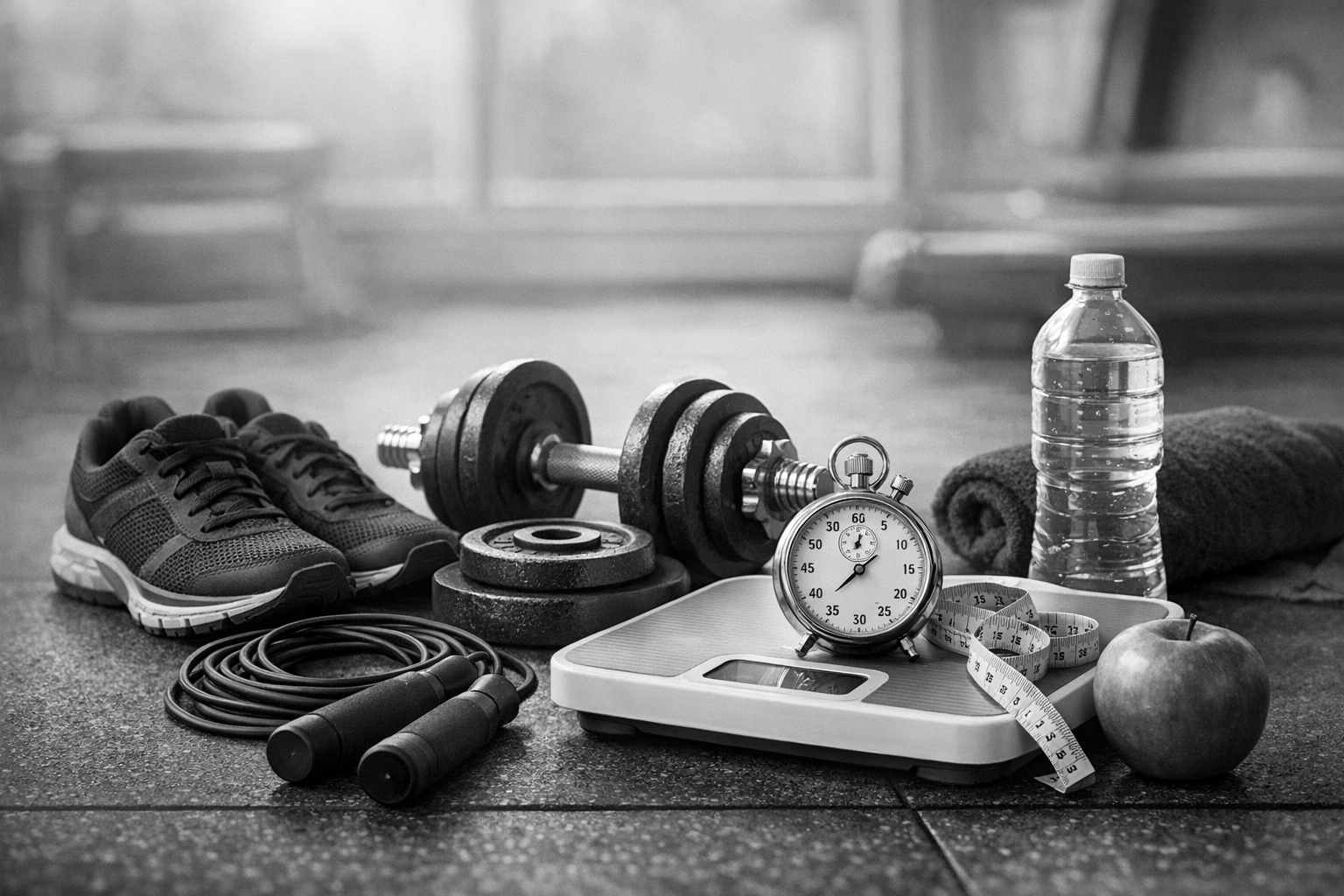
Why Exercise Matters for Weight Loss
When people think about losing weight, they often focus on diet alone. While nutrition is a major factor, exercise plays an important role in creating a healthy calorie deficit, preserving lean muscle, and improving overall well-being. The best part is that exercise does more than help reduce body weight—it can also improve energy levels, mood, sleep quality, and long-term health.
Weight loss happens when you consistently burn more calories than you consume. Exercise helps increase the calories your body uses each day, making it easier to reach and maintain that deficit. Just as importantly, regular movement helps your body become stronger and more efficient, which can make healthy habits easier to sustain over time.
The Best Types of Exercise for Losing Weight
There is no single “best” workout for everyone. The most effective exercise plan is one you can stick with consistently. That said, certain types of exercise are especially helpful for weight loss.
Cardio Exercise
Cardio, also known as aerobic exercise, includes activities like brisk walking, jogging, cycling, swimming, dancing, and rowing. These workouts raise your heart rate and burn calories efficiently during the session. They are especially useful for increasing overall daily energy expenditure.
For beginners, even moderate cardio can make a difference. A 30-minute walk most days of the week is a great place to start. As fitness improves, you can gradually increase intensity or duration.
Strength Training
Strength training is often overlooked in weight-loss plans, but it is extremely valuable. Lifting weights or doing resistance exercises helps build and preserve muscle mass. This matters because muscle tissue burns more calories at rest than fat tissue does.
Strength training also helps shape your body as you lose weight, which can make changes more visible and rewarding. Exercises like squats, push-ups, lunges, deadlifts, and rows are all excellent options.
High-Intensity Interval Training
High-intensity interval training, or HIIT, alternates short bursts of intense effort with brief recovery periods. It can burn a significant number of calories in a relatively short time and may help improve cardiovascular fitness quickly.
Because HIIT is demanding, it should be used carefully, especially if you are new to exercise or returning after a long break. Starting with one or two sessions per week is usually enough.
How Much Exercise Do You Need?
The amount of exercise needed for weight loss depends on your starting point, goals, and eating habits. In general, public health guidelines recommend at least 150 minutes of moderate-intensity cardio per week, plus two days of strength training. For many people, however, more activity may be helpful for noticeable weight loss.
Instead of aiming for perfection, focus on consistency. A combination of daily movement, planned workouts, and fewer sedentary hours can add up quickly. If an hour-long workout feels unrealistic, break it into smaller sessions. Three 10-minute walks can be just as useful as one longer outing.
Simple Strategies to Make Exercise Work for You
Losing weight with exercise becomes much easier when you use strategies that support long-term success. The goal is not to do the hardest workout possible—it is to build habits that fit your life.
Start Small and Build Gradually
Many people quit because they start too aggressively. A better approach is to begin with manageable workouts and increase gradually. If you are currently inactive, walking three times a week is a meaningful first step. Once that feels easy, you can add time, intensity, or new activities.
Mix Cardio and Strength Training
A balanced plan gives you the benefits of both calorie burning and muscle maintenance. Cardio helps increase energy expenditure, while strength training supports body composition and metabolism. Together, they create a more effective and sustainable approach than either one alone.
Track Your Progress
Progress is not always visible on the scale right away. Exercise can improve endurance, strength, and body shape even before large changes in weight appear. Track workouts, steps, measurements, energy levels, and how your clothes fit. These signs can be just as motivating as the number on the scale.
Make It Enjoyable
If you hate your workouts, you will struggle to stay consistent. Choose activities you genuinely enjoy or at least do not mind. This might mean hiking, swimming, group fitness classes, biking, or dancing in your living room. The “best” exercise is the one you will keep doing.
Common Mistakes to Avoid
Even with good intentions, a few common mistakes can slow progress. One of the biggest is relying on exercise alone while ignoring food intake. Exercise supports weight loss, but it is hard to out-train a poor diet. Another mistake is underestimating how much sedentary time affects daily calorie burn. A workout is helpful, but being active throughout the day matters too.
People also often do too much too soon, leading to burnout or injury. Rest days are important, especially when starting a new program. Recovery helps your body adapt, reduces soreness, and makes it more likely that you will stay consistent over the long term.
How to Stay Motivated Long Term
Motivation can come and go, so it helps to build a system that keeps you moving even on low-energy days. Set specific goals that are tied to actions rather than only outcomes. For example, aim to walk four days a week or complete two strength workouts every week.
It also helps to schedule exercise like any other important appointment. When workouts are planned into your week, they become less optional. Finding accountability through a friend, trainer, or fitness class can also make a big difference. Most importantly, be patient with yourself. Sustainable weight loss is a process, not a race.
Conclusion
Losing weight with exercise is absolutely possible, but it works best when paired with realistic expectations, smart planning, and consistency. By combining cardio, strength training, and daily movement, you can support fat loss while improving your overall health. Start small, stay steady, and focus on habits you can maintain for the long haul.