
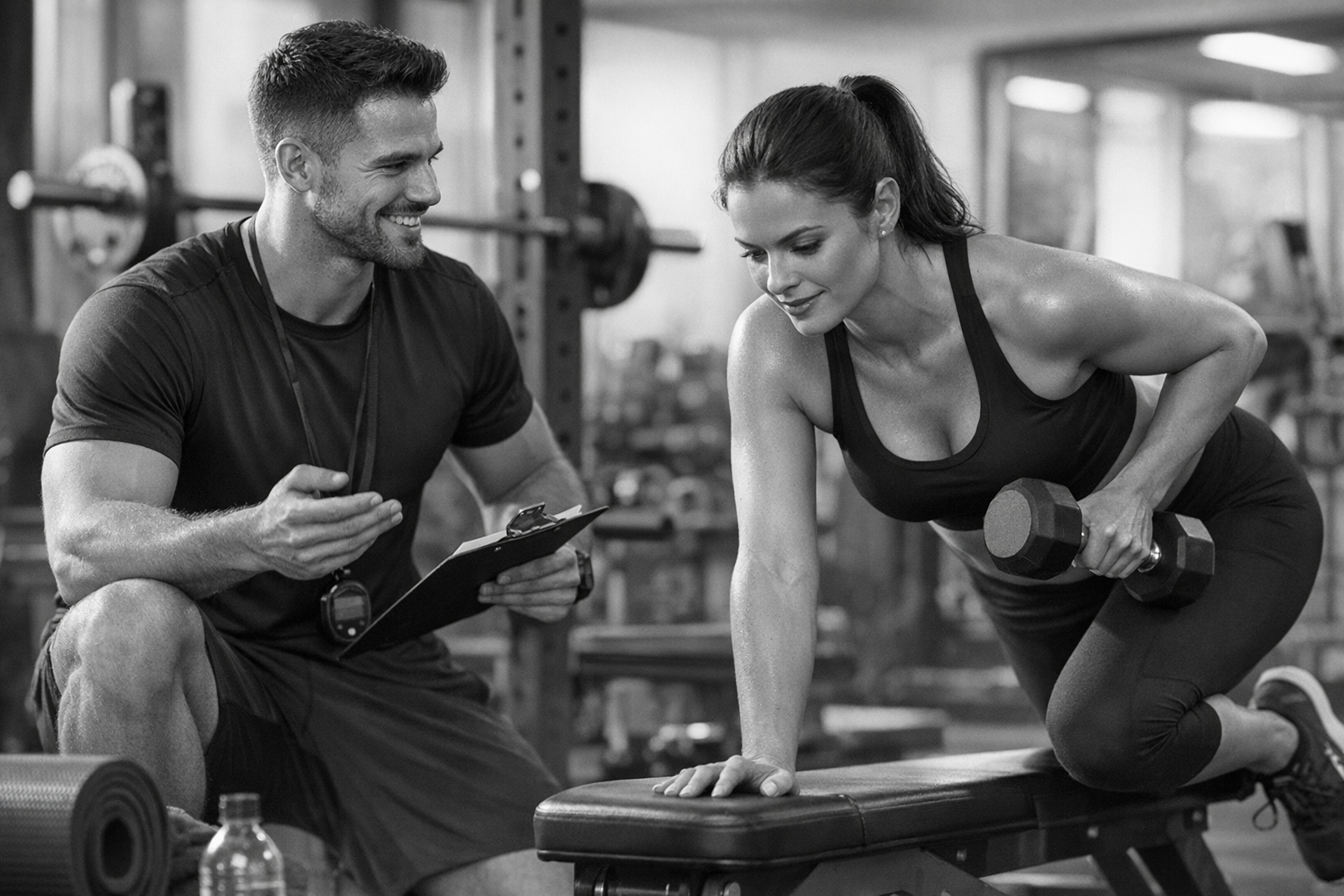
What Does a Personal Trainer Do?
A personal trainer helps clients improve their fitness, build strength, lose weight, move better, and stay accountable to their goals. Trainers create exercise plans, demonstrate proper form, track progress, and motivate clients in one-on-one, small group, or online settings. Some also specialize in areas like weight loss, sports performance, corrective exercise, or older adult fitness.
The role is part coach, part educator, and part accountability partner. A successful personal trainer understands not only exercise science, but also how to communicate clearly, build trust, and adapt programs to different bodies, goals, and lifestyles.
Do You Need a Degree?
You do not always need a college degree to become a personal trainer, but a degree can help if you want a stronger foundation or plan to work in a specialized setting. Many employers care most about certification, practical knowledge, and your ability to work safely with clients.
Common degrees that can help include exercise science, kinesiology, physical education, or health sciences. However, many successful trainers start with a recognized certification and build experience through hands-on coaching, internships, and continuing education.
Get Certified
Certification is one of the most important steps in becoming a personal trainer. It shows employers and clients that you understand anatomy, exercise programming, client assessment, and safe training practices. It can also help you stand out in a competitive field.
When choosing a certification, look for one that is widely respected and accredited. Popular certifying organizations often require you to be at least 18 years old, hold a CPR/AED certification, and pass an exam. Before enrolling, compare the study materials, exam format, recertification requirements, and cost.
Choose the Right Certification
The best certification for you depends on your goals. If you want to work at a commercial gym, choose a certification accepted by that employer. If you want to train athletes, consider a program with strength and conditioning or sports performance content. If you are interested in older adults, rehabilitation support, or special populations, look for certifications that offer those specializations.
Take time to read reviews, ask working trainers what credentials they trust, and confirm whether the certification is recognized in your area. The right choice can make it easier to get hired and build credibility early on.
Learn the Essential Skills
A great personal trainer needs more than knowledge of workouts. You will need to understand anatomy, physiology, program design, mobility, nutrition basics, injury prevention, and proper movement mechanics. Just as important are communication, empathy, and the ability to motivate people with different personalities and fitness levels.
Strong observational skills are essential, too. You should be able to spot poor form, adjust exercises quickly, and know when to modify a program. The more you learn, the more confident you will become in helping clients make steady, safe progress.
Practice Coaching and Communication
Even if you know the science, clients also need encouragement, clarity, and structure. Practice giving simple instructions, explaining why an exercise matters, and offering feedback without overwhelming people. A good trainer listens carefully, asks smart questions, and tailors sessions to the client’s needs and mindset.
You can build these skills through practice with friends, shadowing experienced trainers, volunteering, or working as a fitness assistant. Real-world experience will help you improve your coaching style and learn how to keep clients engaged.
Gain Hands-On Experience
Practical experience is one of the fastest ways to grow as a trainer. Many people start by working in a gym, shadowing a mentor, or helping with group fitness classes. These opportunities teach you how sessions run, how to manage different client types, and how to handle common challenges.
Hands-on work also helps you build confidence. The more clients you train, the more you will learn how to adapt a program for beginners, older adults, busy professionals, or people returning to exercise after a break. Experience turns theory into results.
Find Your Niche
Personal training is a broad field, so choosing a niche can help you stand out. You might focus on fat loss, strength training, sports performance, pre- and postnatal fitness, senior fitness, or corrective exercise. A clear niche makes it easier to market yourself and attract the clients you enjoy working with most.
Your niche does not have to be permanent. Many trainers begin broadly, then narrow their focus as they gain experience and discover what they are best at. The key is to become known for delivering results in a specific area.
Build a Client Base
Once you are certified and gaining experience, it is time to find clients. Start by networking with gym members, friends, family, and local fitness communities. Create a simple professional presence online and share useful content such as workout tips, form cues, and success stories.
Referrals are powerful in personal training, so providing excellent service is one of the best marketing strategies you have. When clients feel supported and see progress, they are far more likely to recommend you to others. Consistency, professionalism, and results help you grow steadily over time.
Market Yourself Professionally
Your personal brand should reflect who you are and who you help. Use a clean bio, professional photos, and clear messaging about your services and specialty. If you work online, make it easy for people to contact you, book a consultation, or learn about your training packages.
Sharing valuable content can also build trust before someone becomes a client. Educational posts, short videos, and client transformation stories can help people see your expertise and style.
Keep Learning and Growing
The fitness industry changes constantly, so continuing education is essential. Read books, attend workshops, earn advanced certifications, and stay updated on training methods and research. This helps you deliver better results and remain competitive in the market.
Professional growth also includes improving your business skills. Learning about client retention, sales, scheduling, and pricing can make your career more sustainable. The best trainers are always learning, refining, and adapting.
Conclusion
Becoming a personal trainer takes more than a passion for fitness. It requires certification, skill development, real-world practice, and a commitment to helping others succeed. If you stay focused, keep learning, and build genuine relationships with clients, you can create a rewarding career that makes a real difference in people’s lives.