What Is Personal Training Certification?
Personal training certification is the credential that shows you have the knowledge and practical skills to safely and effectively guide clients through exercise programs. It typically covers anatomy, exercise science, program design, client assessment, nutrition basics, injury prevention, and coaching techniques. For many employers and clients, certification is the first proof that you are qualified to train others professionally.
It is important to understand the difference between certification and licensure. In most cases, personal trainers are not licensed in the same way doctors or physical therapists are. Instead, they earn certification from a recognized organization. That credential can help you build trust, secure employment, and stand out in a competitive fitness industry.
Why Personal Training Certification Matters
Getting certified is about more than adding letters after your name. It helps you develop the foundation needed to train clients responsibly and confidently. Certified trainers are better prepared to create workouts that match a client’s goals, fitness level, limitations, and lifestyle.
Certification also matters for career growth. Many gyms, studios, and fitness centers require it before hiring trainers. Even independent trainers benefit because certification signals professionalism and commitment to industry standards. Clients are often more likely to work with someone who has completed an accredited program and passed an exam.
How to Choose the Right Certification
Not all certifications are equal. Some are highly respected and widely recognized, while others may be less accepted by employers. Choosing the right one depends on your goals, experience, and the type of clients you want to serve.
1. Check accreditation
Look for certifications from organizations accredited by respected industry bodies. Accreditation helps ensure the exam and education standards meet a professional benchmark. This matters when applying for jobs or demonstrating credibility to clients.
2. Review the curriculum
A strong certification should cover the essentials of exercise science and coaching. Review the course topics carefully. If you want to specialize later, you may also want a program that offers advanced learning in areas such as strength training, corrective exercise, or older adult fitness.
3. Consider your career goals
If you want to work in a commercial gym, choose a certification that is widely accepted by employers. If you plan to train athletes, seniors, or rehabilitation-focused clients, make sure the certification aligns with those goals. The right fit can save you time and money in the long run.
4. Look at study support and exam format
Some certification programs include online courses, practice exams, textbooks, and instructor support. Others are more self-directed. If you are balancing work or school, study resources and flexible testing options can make the process much easier.
5. Compare cost and renewal requirements
Certification prices vary widely, so compare the full cost, not just the exam fee. Also check renewal requirements. Many certifications require continuing education credits and periodic renewal, which helps keep your knowledge current.
What You Need Before Getting Certified
Most personal training certification programs have a few basic requirements. You usually need to be at least 18 years old and hold a high school diploma or equivalent. Some programs may also require CPR and AED certification before you can take the exam or begin working with clients.
Even if the program does not require prior experience, a background in fitness can be helpful. Working out regularly, shadowing a trainer, or taking an introductory course can make the material easier to understand. If you are new to the field, give yourself time to study the core concepts thoroughly.
How to Prepare for the Certification Exam
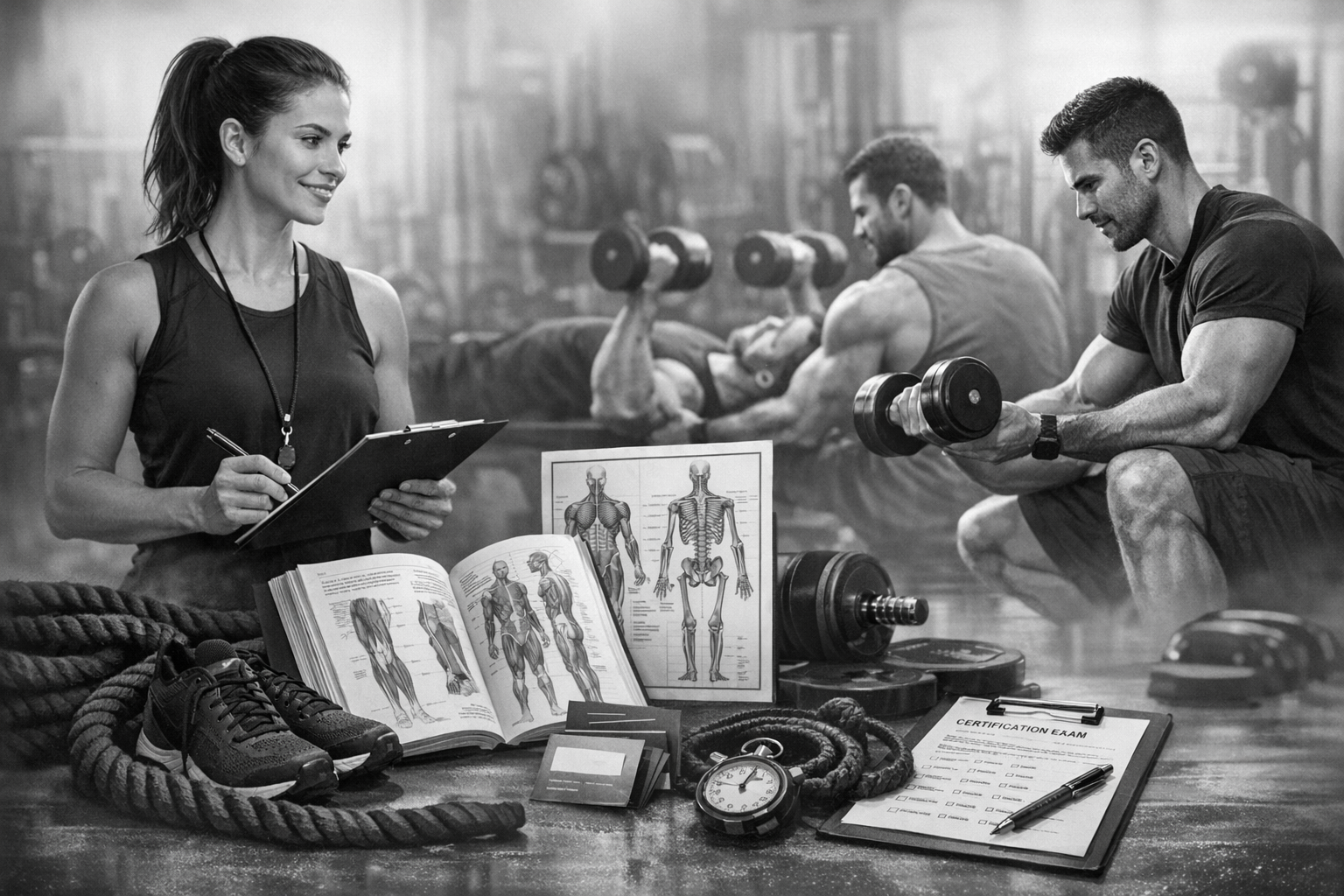
Preparing well can make the difference between passing on the first try and needing to retake the exam. Start by reviewing the official exam content outline so you know what topics are covered. Focus on anatomy, movement patterns, program design, client communication, and safety procedures.
Create a study schedule that fits your routine. Breaking the material into smaller sections makes it easier to remember. Use flashcards, practice questions, and note-taking to reinforce key concepts. If the certification offers workshops or online learning modules, take full advantage of them.
It also helps to practice applying what you learn. For example, instead of memorizing muscles in isolation, think about how those muscles work during squats, presses, or pulls. The more you connect theory to real-world movement, the better prepared you will be for both the exam and your future clients.
What Comes After Certification?
Once you earn your certification, the real work begins. Your next step is to gain experience and continue learning. Many trainers start by working in a gym, fitness studio, or community center. This gives you the chance to practice coaching, build confidence, and learn how to handle different client needs.
You can also begin developing a niche. Some trainers specialize in weight loss, strength training, sports performance, senior fitness, or postural correction. A specialty can help you attract the clients you want and create a stronger professional identity.
Continuing education is another important part of the journey. Fitness research evolves, and client expectations change. Staying current through workshops, advanced certifications, and industry events will help you remain competitive and deliver better results.
Final Thoughts
Personal training certification is the foundation of a professional fitness career. It builds credibility, improves your knowledge, and opens the door to more opportunities. By choosing the right program, preparing carefully, and continuing to learn after you pass, you can set yourself up for long-term success in the fitness industry.