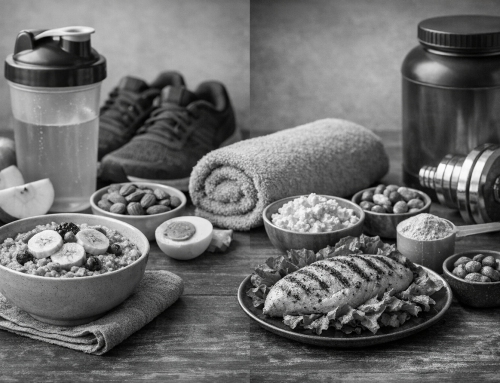

Why Post Workout Recovery Matters
Great workouts don’t end when you rack the weights or step off the treadmill. What you do afterward plays a major role in how well your body adapts, repairs, and gets stronger. Post workout recovery is the process of helping your muscles, energy systems, and nervous system return to baseline while setting the stage for future performance.
When recovery is overlooked, you may feel extra sore, fatigued, or sluggish in your next session. Over time, poor recovery can also affect motivation, increase the risk of injury, and slow progress. On the other hand, a smart recovery routine can improve strength gains, endurance, flexibility, and overall consistency.
Recovery is not laziness. It is an essential part of training. The goal is to support your body with the nutrients, rest, and movement it needs to rebuild stronger than before.
What Happens to Your Body After Exercise
During exercise, your muscles experience tiny amounts of stress and breakdown, especially during strength training or intense intervals. Your stored energy, particularly glycogen, is also used up. In addition, your heart rate rises, your body temperature increases, and your nervous system works hard to keep you moving.
After the workout ends, your body begins repairing muscle tissue, restoring fluids and electrolytes, and refilling energy stores. This is when adaptation happens. If the body gets the right recovery signals, it can become more efficient, more resilient, and better prepared for the next session.
Key Steps for Better Post Workout Recovery
1. Rehydrate and Replace Electrolytes
Fluids are one of the simplest and most important parts of recovery. Sweating causes water loss, and in longer or more intense workouts, you also lose sodium, potassium, and other electrolytes. Even mild dehydration can make you feel tired, increase muscle cramps, and delay recovery.
Water is a great starting point, but after heavy sweating, consider adding electrolytes through a sports drink, coconut water, or foods like bananas, yogurt, soups, and leafy greens. A practical tip is to drink water steadily after exercise rather than chugging a large amount all at once.
2. Eat a Recovery Meal or Snack
Nutrition is a major driver of recovery. After exercise, your body needs protein to repair muscle tissue and carbohydrates to restore glycogen. A balanced meal or snack within a couple of hours after training can help you bounce back more effectively.
Good post workout combinations include Greek yogurt with fruit, a turkey sandwich on whole grain bread, eggs with toast, grilled chicken with rice, or a protein smoothie with banana and oats. The exact amount depends on workout intensity, your goals, and how soon you’ll train again, but the key is to avoid skipping food for too long after hard exercise.
3. Cool Down Properly
A few minutes of light activity after training can help your body transition out of workout mode. Walking, easy cycling, or gentle movement can gradually lower your heart rate and reduce the feeling of abrupt fatigue.
Cooling down is also a good time to focus on breathing. Slow, deep breaths may help you relax and shift from a high-stress training state into recovery mode. This small habit can make a big difference, especially after intense sessions.
4. Stretch and Improve Mobility
Stretching after exercise won’t erase soreness, but it can help you feel looser and maintain range of motion. Light static stretching, foam rolling, or mobility work may reduce stiffness and support better movement quality in later workouts.
Focus on the muscles you trained most. For example, after a lower-body session, you might stretch your quads, hamstrings, calves, hip flexors, and glutes. Keep stretches gentle and avoid pushing into pain. Recovery work should feel restorative, not aggressive.
5. Prioritize Sleep
If there is one recovery tool that deserves top priority, it is sleep. Much of the body’s repair process happens overnight, including muscle recovery, hormone regulation, and nervous system restoration. Poor sleep can make soreness worse, reduce performance, and affect appetite and mood.
Adults generally benefit from 7 to 9 hours of quality sleep per night. To improve sleep, try keeping a consistent bedtime, limiting caffeine late in the day, and reducing bright screens before bed. A regular sleep routine can have a bigger impact on results than almost any supplement or gadget.
6. Use Active Recovery on Rest Days
Rest days do not always have to mean complete inactivity. Light movement such as walking, easy swimming, yoga, or a casual bike ride can increase blood flow and help reduce stiffness without adding extra stress.
Active recovery should feel easy. The purpose is to promote circulation and mobility, not to turn a rest day into another hard workout. If you feel sore but still want to move, this is often a helpful middle ground.
7. Manage Stress and Listen to Your Body
Training stress is only one part of the picture. Work, family responsibilities, poor sleep, and emotional stress can all affect how well you recover. When total stress is high, your body may need more rest than usual.
Pay attention to signs that you may need additional recovery, such as persistent soreness, declining performance, irritability, poor sleep, or lack of motivation. Adjusting your training load, taking an extra rest day, or reducing intensity can prevent burnout and help you stay consistent long term.
Common Recovery Mistakes to Avoid
One common mistake is treating soreness like a badge of honor. Feeling sore can happen after a strong workout, but being extremely sore after every session may mean you are pushing too hard or not recovering well enough.
Another mistake is under-eating, especially if your goal is fat loss. If your body does not get enough protein, carbohydrates, and overall calories, recovery slows down. It is also easy to neglect hydration, especially in cooler weather when sweating may not feel as obvious.
Finally, many people focus only on supplements or recovery tools while ignoring the basics. Massage guns, compression gear, and cold plunges can be useful for some athletes, but they should never replace good sleep, smart programming, proper nutrition, and rest.
Building a Recovery Routine That Works
The best recovery routine is the one you can stick with. Start with the fundamentals: drink enough water, eat a balanced meal after exercise, cool down, sleep well, and keep active on lighter days. Then, add extras only if they help you personally.
You do not need a perfect routine to make progress. Small, consistent habits often matter more than complicated recovery strategies. When recovery becomes part of your training plan, you are more likely to feel energized, reduce injury risk, and keep improving over time.
Conclusion
Post workout recovery is where much of your progress is built. By refueling, rehydrating, sleeping well, and giving your body time to adapt, you help turn hard work into real results. Keep recovery simple, stay consistent, and your body will thank you in the next workout and beyond.