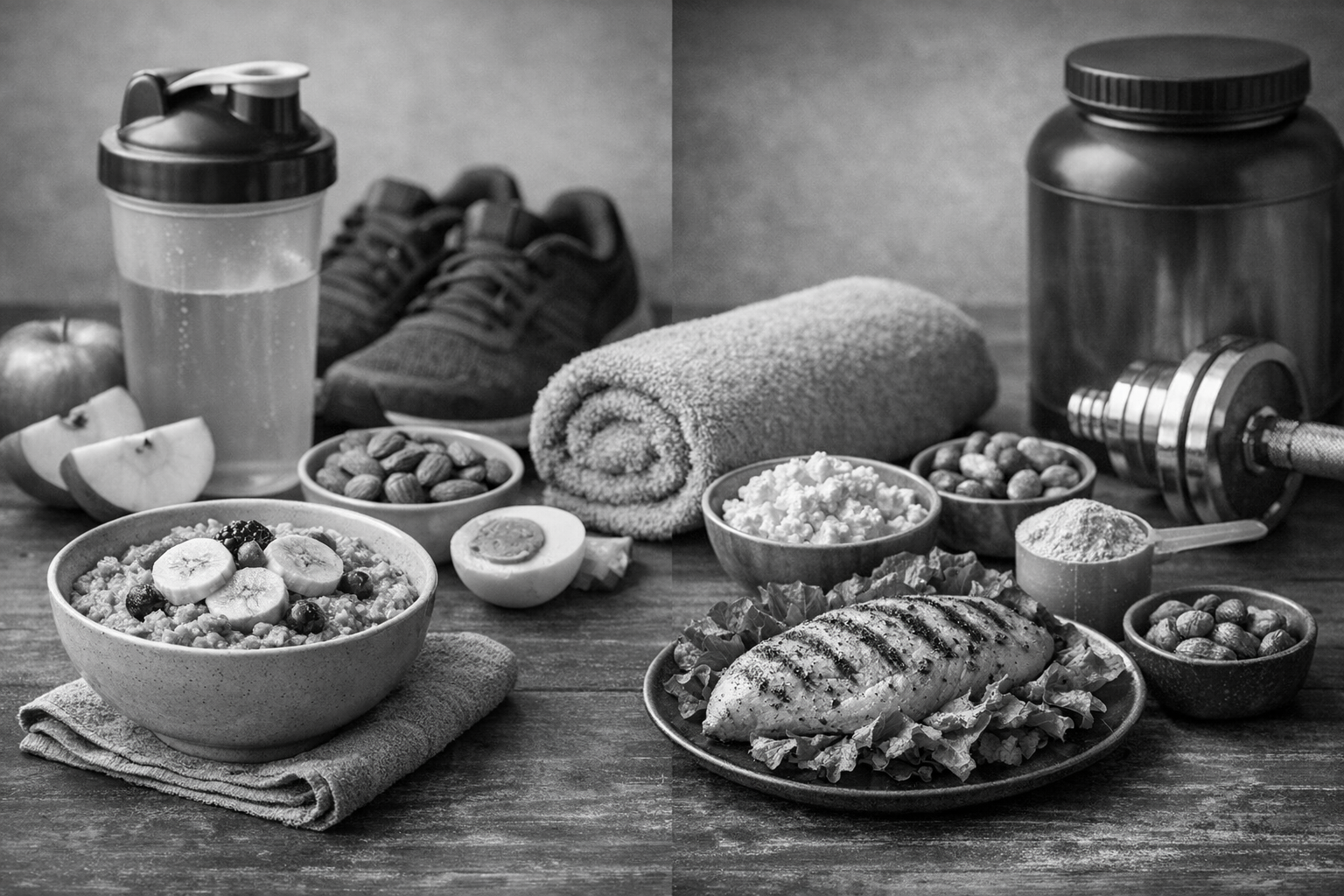
Workout Nutrition: Why It Matters
Workout nutrition can make a real difference in how you perform, recover, and progress toward your fitness goals. The right foods and fluids help you train with more energy, reduce fatigue, support muscle repair, and improve consistency over time. Whether your goal is fat loss, muscle gain, endurance, or overall health, what you eat around exercise matters just as much as the workout itself.
Good workout nutrition is not about complicated rules or restrictive meal plans. It is about giving your body the fuel it needs at the right times. When you understand how to balance carbohydrates, protein, fats, and hydration, you can support better workouts and faster recovery without overthinking every meal.
Pre-Workout Nutrition
What to Eat Before Exercise
The goal of a pre-workout meal or snack is to provide energy and help you feel strong during training. In general, carbohydrates are the main fuel source for moderate to high-intensity exercise, while protein helps support muscle tissue. A small amount of fat can be included, but too much fat right before exercise may slow digestion and leave you feeling heavy.
If you are eating 2 to 3 hours before a workout, try a balanced meal with carbs, protein, and a little fat. Examples include chicken and rice, oatmeal with Greek yogurt and fruit, or a turkey sandwich with whole-grain bread. If you are eating 30 to 60 minutes before exercise, keep it lighter and easier to digest, such as a banana, toast with peanut butter, or a protein smoothie.
Timing Your Meal
Meal timing depends on your schedule, workout intensity, and personal preference. Some people feel best training on a fairly full stomach, while others prefer a light snack. The main thing is to avoid going into a workout under-fueled or uncomfortably full. If you exercise first thing in the morning, even a small snack can help improve energy and performance.
For longer or more intense workouts, especially strength training or endurance sessions, eating beforehand can help you maintain effort and focus. For shorter, lower-intensity workouts, you may not need much more than a light snack or even your regular breakfast.
Post-Workout Nutrition
Recovery Foods
After exercise, your body needs nutrients to recover and adapt. Protein is especially important because it provides amino acids that help repair and build muscle tissue. Carbohydrates are also valuable because they replenish glycogen, the stored fuel your muscles use during workouts.
Try to include both protein and carbs in your post-workout meal. Good options include eggs and toast, chicken with potatoes, a protein shake with fruit, salmon with rice, or cottage cheese with berries. The exact meal does not need to be perfect; what matters most is getting a solid source of protein and enough carbohydrates within a few hours of training.
How Soon Should You Eat?
Many people wonder if they need to eat immediately after a workout. In most cases, there is no need to panic about a tiny recovery window. If you had a meal before training and you eat another balanced meal later, you are likely covering your needs well. That said, if you train hard, train again later the same day, or exercise on an empty stomach, eating soon after your session can be especially helpful.
A practical approach is to think in terms of overall daily intake rather than chasing a strict post-workout deadline. Consistency with your total protein, carbohydrate, and calorie intake matters far more than perfect timing.
Hydration and Electrolytes
Hydration is a key part of workout nutrition, yet it is often overlooked. Even mild dehydration can affect energy, concentration, temperature regulation, and performance. Start your workout already well hydrated by drinking water throughout the day, then sip fluids before, during, and after exercise.
For most people, water is enough for regular workouts. If you sweat heavily, train in hot weather, or exercise for longer periods, electrolytes may be useful. Sodium, potassium, and magnesium help support fluid balance and muscle function. Sports drinks, electrolyte powders, or foods naturally rich in these minerals can all be helpful depending on the situation.
Nutrition for Different Workout Goals
Muscle Gain
If your goal is to build muscle, prioritize enough calories, protein, and carbohydrates. Protein supports muscle repair and growth, while carbohydrates help fuel intense training and support recovery. Spreading protein intake across the day can be especially beneficial, and many people do well with a source of protein at each meal.
Fat Loss
When fat loss is the goal, workout nutrition should still support performance and recovery. Skipping fuel entirely before workouts may seem helpful, but it can reduce training quality and make it harder to stay consistent. Focus on nutrient-dense meals with lean protein, high-fiber carbs, vegetables, and healthy fats, while maintaining a calorie deficit that is sustainable.
Endurance Training
For endurance athletes or anyone doing longer cardio sessions, carbohydrates become even more important. They help sustain energy, delay fatigue, and support longer training sessions. Hydration and electrolyte balance are also crucial, especially during long runs, cycling sessions, or intense classes.
Common Workout Nutrition Mistakes
One common mistake is not eating enough overall. If you are constantly tired, sore, or struggling to progress, low energy intake may be part of the problem. Another mistake is relying too heavily on supplements while ignoring basic meals. A protein powder or pre-workout can be convenient, but it should not replace a balanced diet.
Other common issues include eating too close to a workout and feeling sluggish, going too long after exercise without recovery food, and not drinking enough water. The good news is that these mistakes are easy to fix once you understand your body’s needs and your training routine.
Conclusion
Workout nutrition does not have to be complicated to be effective. By focusing on a balanced pre-workout meal, quality post-workout recovery food, proper hydration, and enough total daily intake, you can improve performance and recovery in a sustainable way. The best nutrition plan is the one that supports your goals, fits your schedule, and helps you stay consistent over time.