What Is Virtual Personal Training?
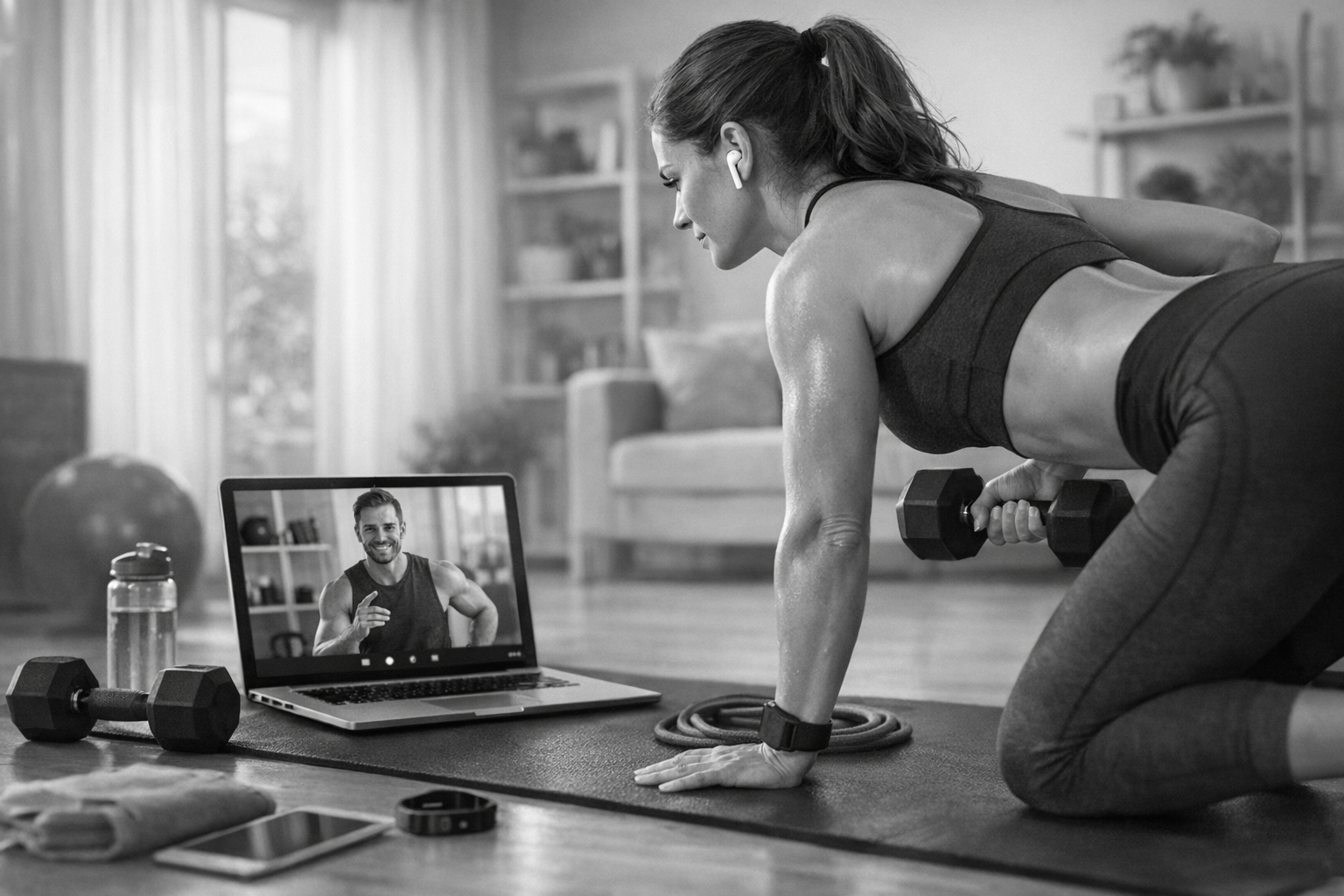
Virtual personal training is one-on-one fitness coaching delivered online instead of in a gym or studio. Sessions can happen through live video calls, training apps, recorded workouts, or a mix of all three. Just like in-person coaching, a virtual personal trainer creates customized workout plans, provides instruction, tracks progress, and helps keep you accountable.
What makes this approach appealing is its flexibility. You can train from home, while traveling, or from any space with enough room to move. For many people, virtual personal training removes the common barriers that make consistency hard, such as commuting to the gym, crowded schedules, or feeling uncomfortable in public workout spaces.
How Virtual Personal Training Works
Initial Assessment and Goal Setting
The process usually starts with a consultation. Your trainer may ask about your fitness level, health history, goals, equipment access, schedule, and preferences. This information helps them design a plan that fits your life rather than forcing you into a generic routine.
Customized Workout Programming
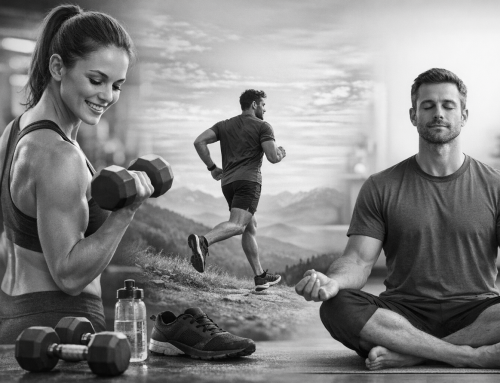
Once your goals are clear, your trainer builds a workout program tailored to your needs. That could mean strength training, cardio, mobility work, core training, or a combination. Some trainers provide daily or weekly workouts inside an app, while others coach live over video and guide you through each exercise in real time.
Live Feedback and Accountability
During live virtual sessions, your trainer can watch your form, correct technique, and adjust exercises as needed. Between sessions, they may check in through messaging, progress tracking tools, or follow-up calls. This accountability is often the difference between starting a routine and sticking with it long term.
Benefits of Virtual Personal Training
Convenience and Flexibility
One of the biggest advantages of virtual personal training is convenience. You can schedule workouts around work, family responsibilities, and travel without worrying about commuting. This flexibility makes it easier to stay consistent, which is one of the most important factors in reaching fitness goals.
Access to More Trainers
When you train virtually, you are no longer limited to trainers in your immediate area. You can choose a coach whose style, specialty, and personality align with your goals. Whether you want help with weight loss, muscle gain, sports performance, postpartum recovery, or general fitness, you can often find a specialist online.
Comfort and Privacy
For beginners or anyone who feels self-conscious in a gym setting, virtual training offers a more comfortable environment. You can learn movements at your own pace without worrying about other people watching. This can make it easier to build confidence and develop a long-term exercise habit.
Cost-Effective Options
Virtual personal training is often more affordable than in-person sessions because trainers have fewer overhead costs. Some programs also offer semi-private coaching, monthly memberships, or app-based support, giving you more options to fit your budget.
What Equipment Do You Need?
The good news is that you do not need a full home gym to get started. Many virtual personal trainers design workouts using bodyweight exercises, resistance bands, dumbbells, or minimal equipment. If you have more gear, your trainer can build on that, but it is rarely a requirement.
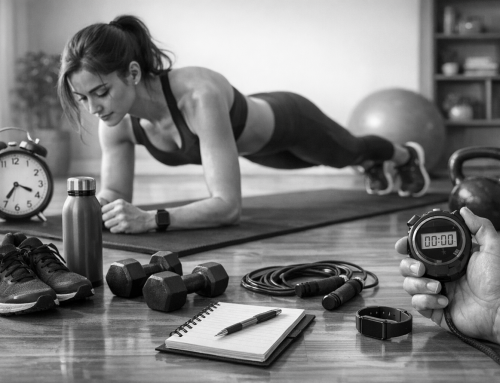
At a minimum, you will usually need a stable internet connection, a phone, tablet, or laptop, and enough space to move safely. A yoga mat, a pair of adjustable dumbbells, and resistance bands can go a long way, but your trainer should be able to adapt to the equipment you already have.
Who Is Virtual Personal Training Best For?
Virtual personal training works well for a wide range of people. Busy professionals appreciate the time saved. Parents often value the ability to work out at home. Frequent travelers benefit from being able to maintain their routines anywhere. Beginners can enjoy the privacy and extra guidance, while experienced exercisers may want advanced programming and accountability.
It can also be a smart choice for people recovering from a setback who need a structured return to exercise. As long as your trainer understands your limitations and your healthcare provider has cleared you for activity when necessary, virtual coaching can help you rebuild safely and steadily.
How to Choose the Right Virtual Personal Trainer
Look for Relevant Experience
Not all trainers specialize in the same things. Look for someone with experience in your specific goals, whether that is fat loss, strength training, mobility, endurance, or post-injury exercise. Certifications, client reviews, and sample programs can help you evaluate whether they are a good fit.
Check Their Communication Style
Since most of your interaction will happen online, communication matters. A good virtual trainer should be responsive, encouraging, and clear in their instructions. They should also be willing to explain modifications and answer questions without making you feel rushed.
Ask About Tracking and Support
Some trainers use apps, spreadsheets, or video libraries to help clients stay on track. Others rely more on live sessions and messaging. Consider how much support you want between workouts and make sure the trainer’s system matches your needs.
Tips for Getting the Most from Virtual Personal Training
To get strong results, treat virtual training like a real appointment. Choose a consistent workout space, wear appropriate clothing, and reduce distractions whenever possible. Be honest with your trainer about soreness, energy levels, or any discomfort so they can make safe adjustments.
It also helps to set realistic goals and track progress beyond the scale. Improvements in strength, endurance, energy, sleep, and confidence are all signs that your program is working. The more consistent you are, the more value you will get from your trainer’s guidance.
Conclusion
Virtual personal training offers a flexible, accessible, and personalized way to improve your fitness without being tied to a gym. With the right trainer and a commitment to consistency, you can build strength, stay accountable, and make steady progress from wherever you are.